A Transcontinental Railroad Helps America Compete for Trade
● Minnesota's economy depends on efficient access to North American and global markets. A transcontinental railroad will strengthen trade connections for agriculture, manufacturing and mining across the state.
● The Union Pacific-Norfolk Southern combination will reduce costly freight handoffs across the U.S. rail network. More seamless service will improve reliability and create new shipping opportunities.
● Stronger freight connectivity helps American businesses compete. Better access to ports, customers and supply chains will support long-term economic growth and investment.
Key Takeaways:
- A seamless transcontinental network expands freight options. The combination would create America’s first single-line coast-to-coast railroad with new lanes, faster routing and broader market access.
- Single-line service reduces supply chain friction. Fewer handoffs and more direct routing are designed to improve speed, reliability and efficiency for long-distance freight movement.
- The proposed combination strengthens American competitiveness.The applicationhighlights supply chain growth, new union jobs, and expanded rail capacity as long-term economic benefits.
In a Minnesota Star Tribune opinion piece, former Minnesota Senate Majority Leader Amy Koch Frederiksen argues that Canada has spent years investing in ports and rail infrastructure while the United States continues to operate a fragmented freight network. Her conclusion: America needs modern infrastructure that can compete for the next generation of trade.
American freight transportation is facing a rail infrastructure challenge. While Canada has expanded port capacity and built coast-to-coast rail networks, freight moving across the United States often requires handoffs between eastern and western railroads. Those transfers can add time, cost and complexity to cross-country shipments.
That dynamic matters for states like Minnesota, where agriculture, manufacturing and natural resources depend on efficient access to domestic and international markets. As Frederiksen notes, freight that ultimately serves American consumers increasingly moves through Canadian infrastructure because Canadian railroads offer seamless transcontinental service.
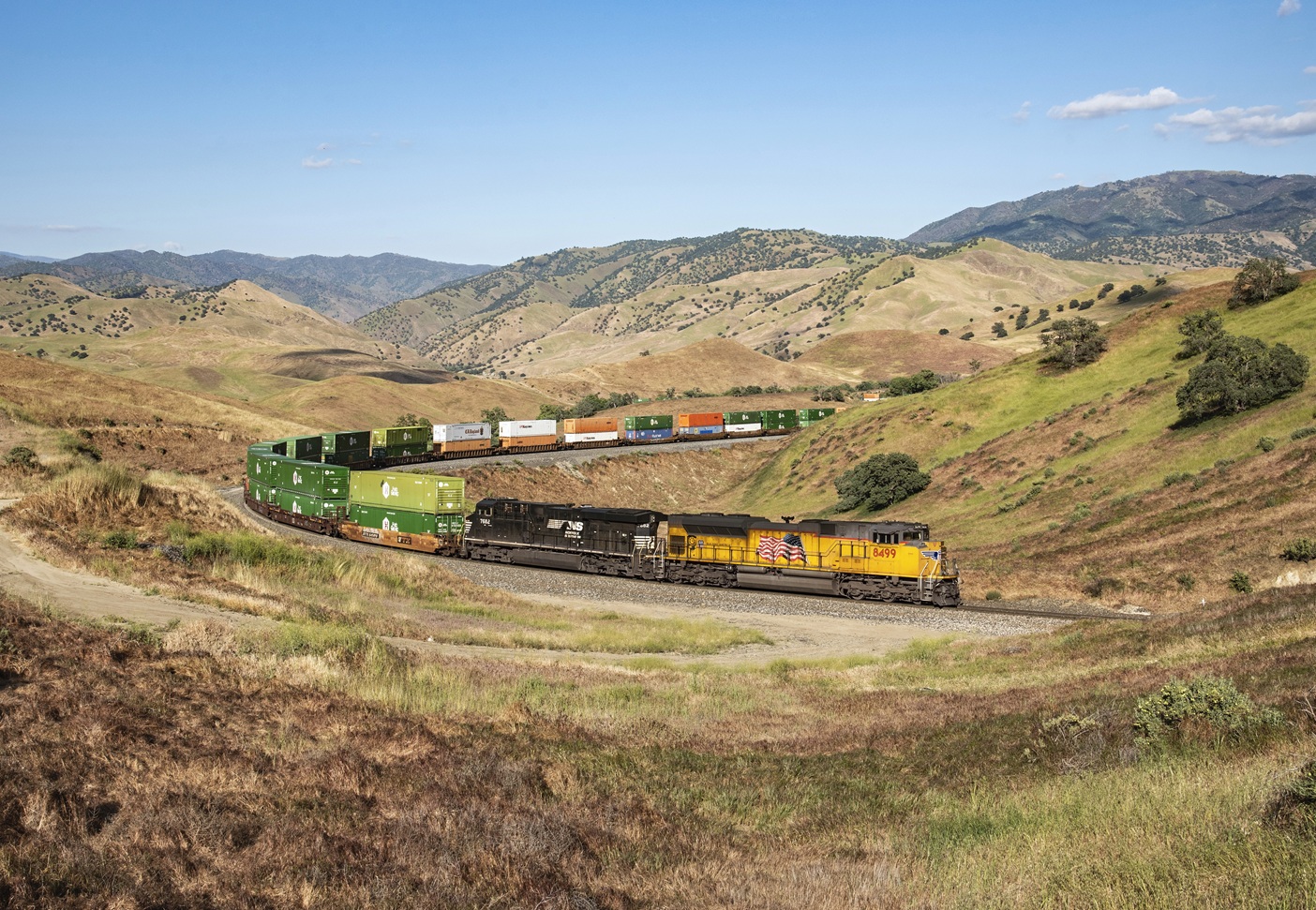
The Union Pacific-Norfolk Southern combination is designed to address that challenge by connecting complementary rail networks into America's first transcontinental railroad. The combination will transform approximately 10,000 existing lanes from interline service into single-line service, reducing handoffs and creating faster, more efficient freight movement across the country.
A stronger national rail network also supports broader economic competitiveness. The combined railroad will connect 43 states, more than 100 ports and key international gateways, providing American businesses with more direct access to global markets. For exporters, manufacturers and agricultural producers, improved connectivity creates additional routing options and greater supply-chain resilience.
The article's focus on Canadian competition reflects a growing reality in North American trade. Canadian railroads already operate transcontinental networks that connect major ports and inland markets. The proposed combination will give American businesses a stronger domestic alternative while helping U.S. ports and freight corridors compete for future growth.
The Surface Transportation Board recently accepted the Union Pacific-Norfolk Southern application for review, beginning the formal evaluation process — a positive step toward a reinvigorated, more competitive U.S. railroad industry.
Read the full Minnesota Star Tribune opinion piece.