Railroads Have Never Stood Still. Why Should They Now?
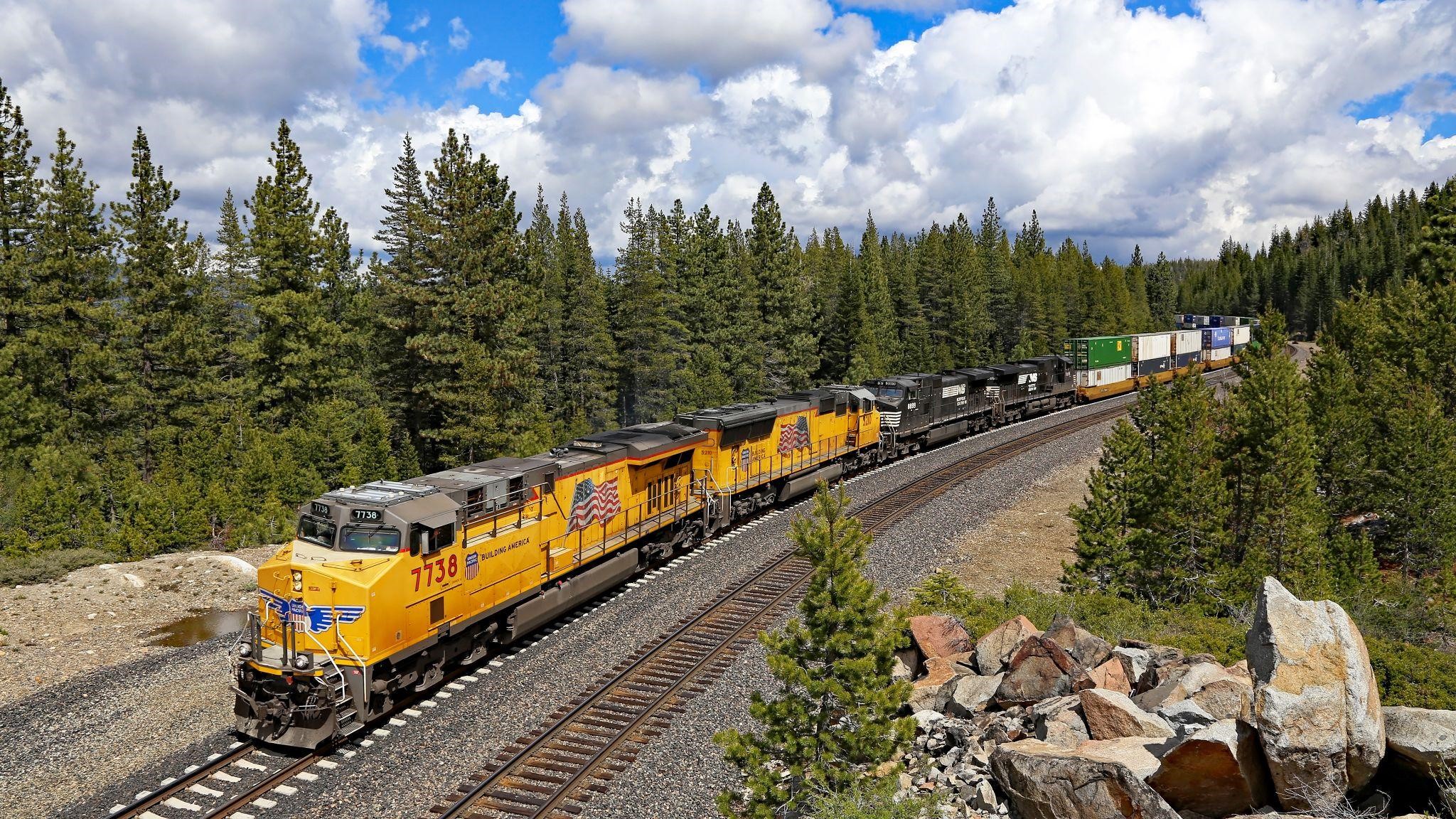
● The proposed Union Pacific-Norfolk Southern combination is fundamentally different from traditional rail mergers. With minimal network overlap, it will create an end-to-end system that reduces interchange friction, improves reliability and expands transportation options for customers.
● Railroads are better positioned than ever to integrate major networks. Advances in technology, communications and operating practices make railroads better prepared to manage complex network integrations than in previous eras.
● A unified transcontinental network will drive systemwide efficiency gains. By removing operational friction and streamlining freight flows, the merger will improve service, increase network capacity and deliver benefits for customers, communities and the broader economy.

Shane Keller
In an industry facing rising costs, efficiency also helps railroads absorb some increases rather than passing them directly to shippers.
Today, I no longer work for a Class I railroad and am not being compensated for this article. But based on more than 30 years in railroad operations, I believe the merger deserves a fair and objective evaluation.
Not Your Traditional Parallel Merger
Unlike some historical rail mergers, there are relatively few customers directly served by both Union Pacific and Norfolk Southern. Similar to the Canadian Pacific-Kansas City (CPKC) combination, this is largely an end-to-end merger that has the potential to eliminate interchange friction, improve service reliability and create new transportation options for customers.
Opponents raised similar concerns about the CPKC merger. Yet operating as a single network has eliminated many interchange delays and inefficiencies, creating a stronger and more seamless service offering.
In fact, one of the companies most affected by those improvements was Union Pacific. Before the CPKC merger, traffic moving between Union Pacific and Kansas City Southern at Laredo, Texas, faced an inefficient interchange. After the merger, much of that friction disappeared because the traffic moved on a single network.
That's competition. When a rival builds a better network, the answer isn't to block it. The answer is to improve your own.
Railroad infrastructure has been bought, sold, consolidated and reorganized for more than 170 years. Some railroads have strategic advantages in geography, infrastructure or technology. That's not unique to railroading; it's true in virtually every industry.
And if a Union Pacific-Norfolk Southern merger is approved, the industry will still feature two major western railroads and two major eastern railroads. That still feels like competition to me.
The question isn't whether this merger will make some people uncomfortable. Every meaningful change in railroading has.
The question is whether it will create a stronger, more efficient transportation network that benefits customers, communities and the North American economy. Based on more than three decades in railroad operations, that's a question that should be answered with facts, performance data and customer outcomes, not assumptions.