


Bringing Together Two Railroads to Power
America's Economy

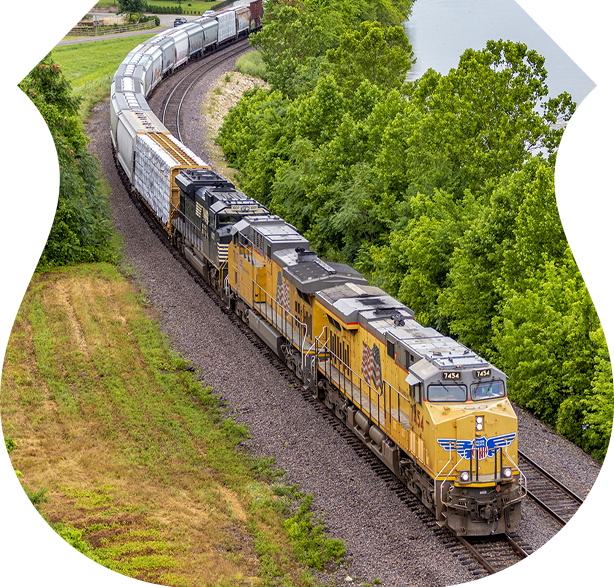
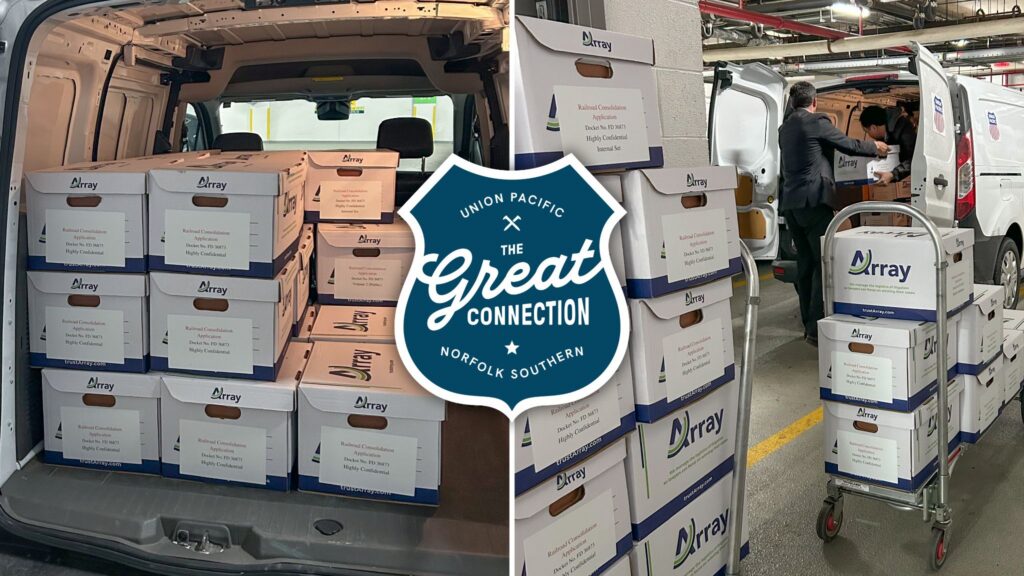
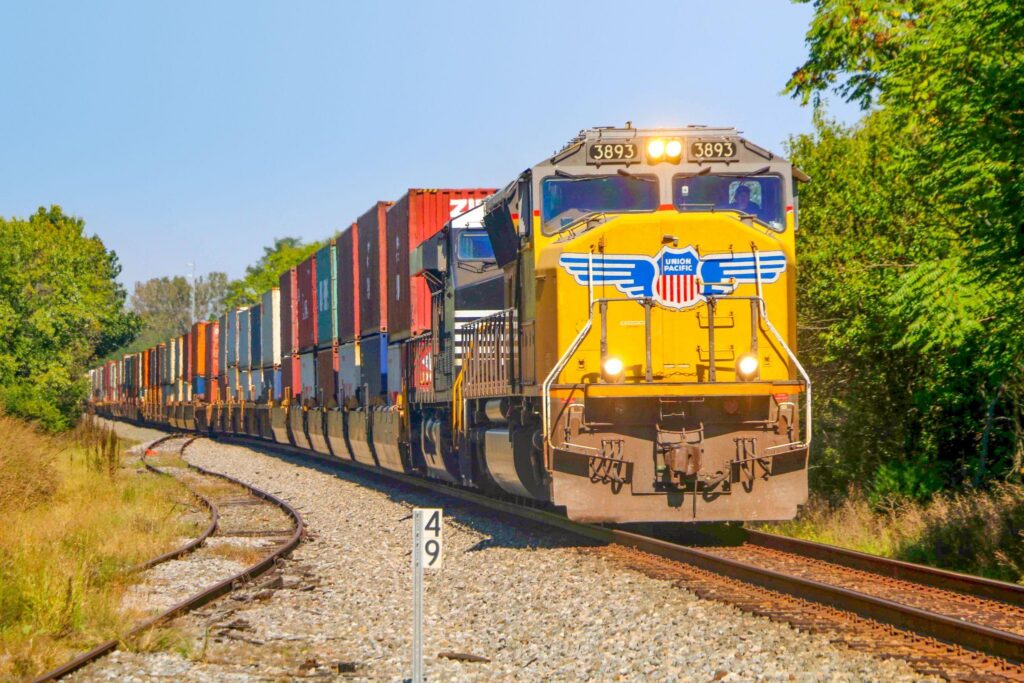
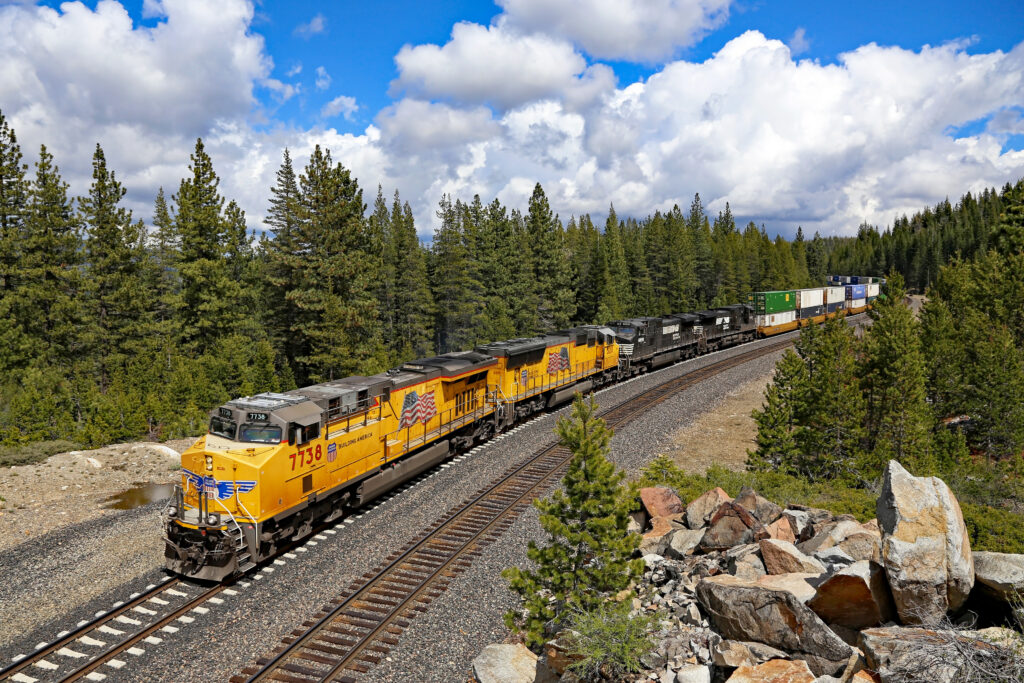
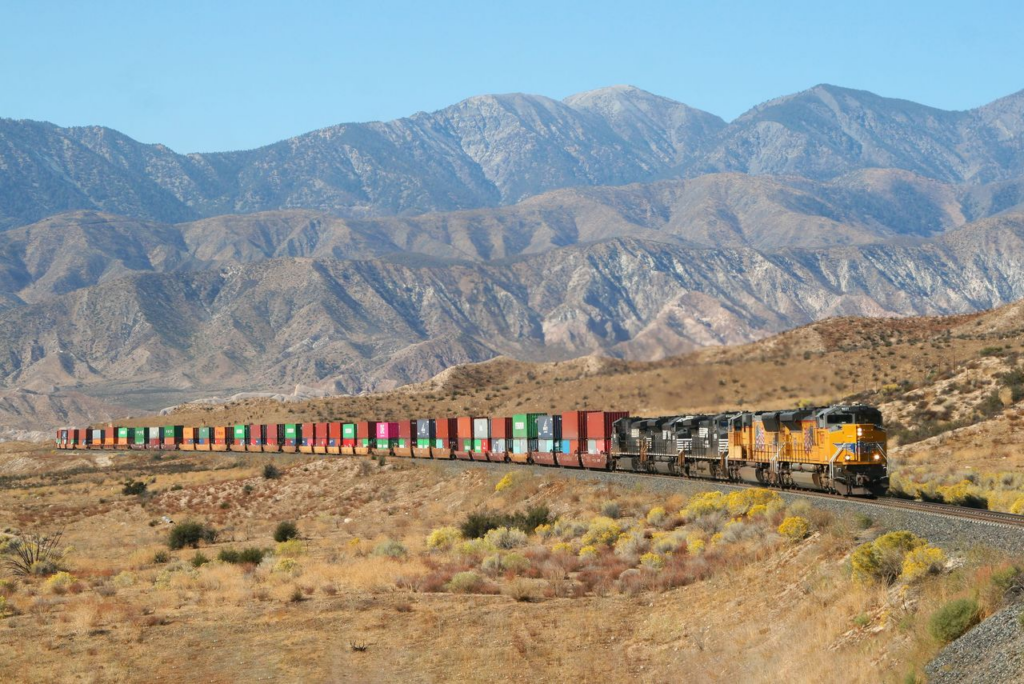
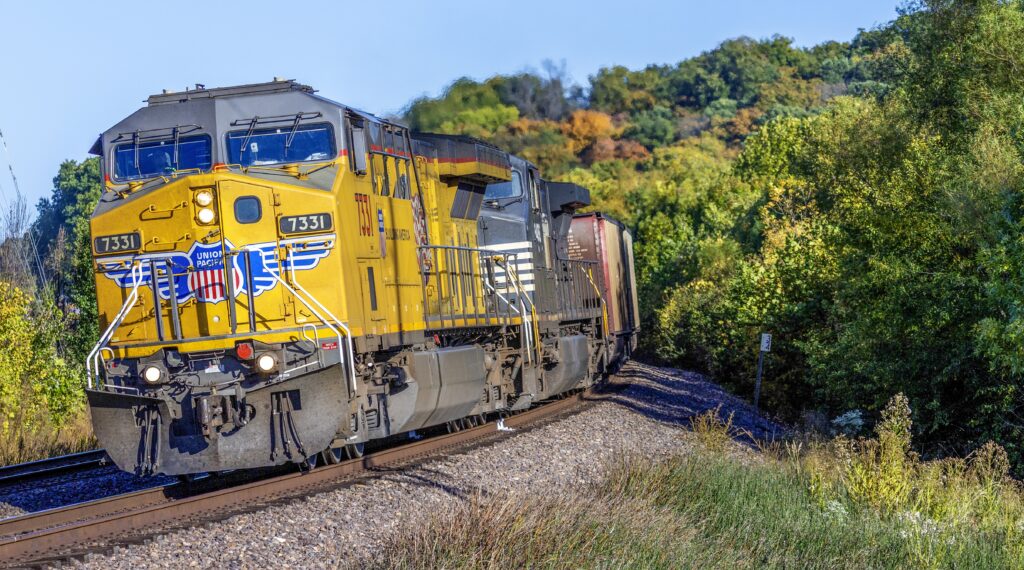
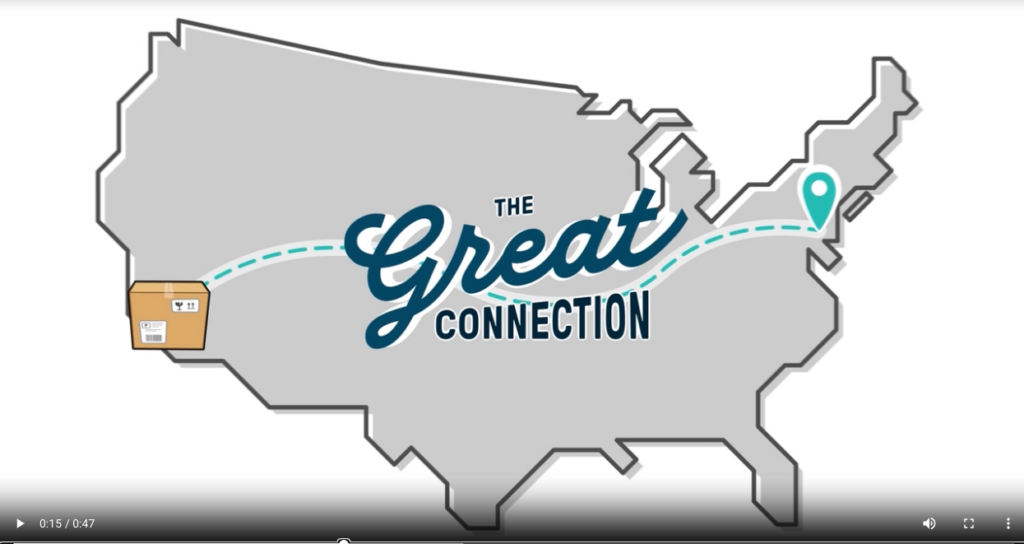
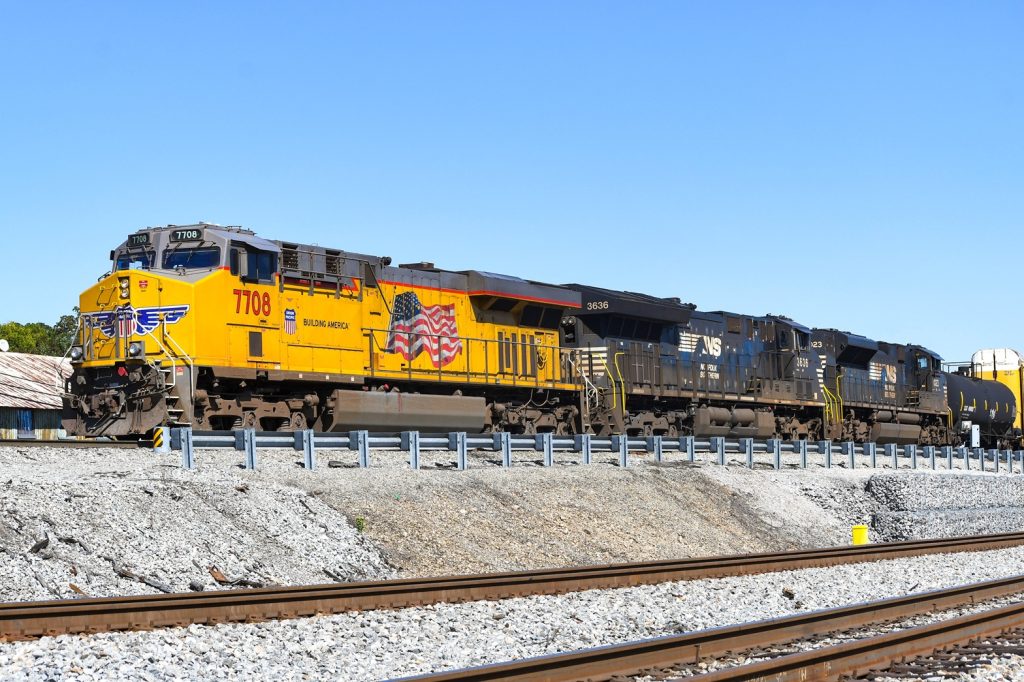
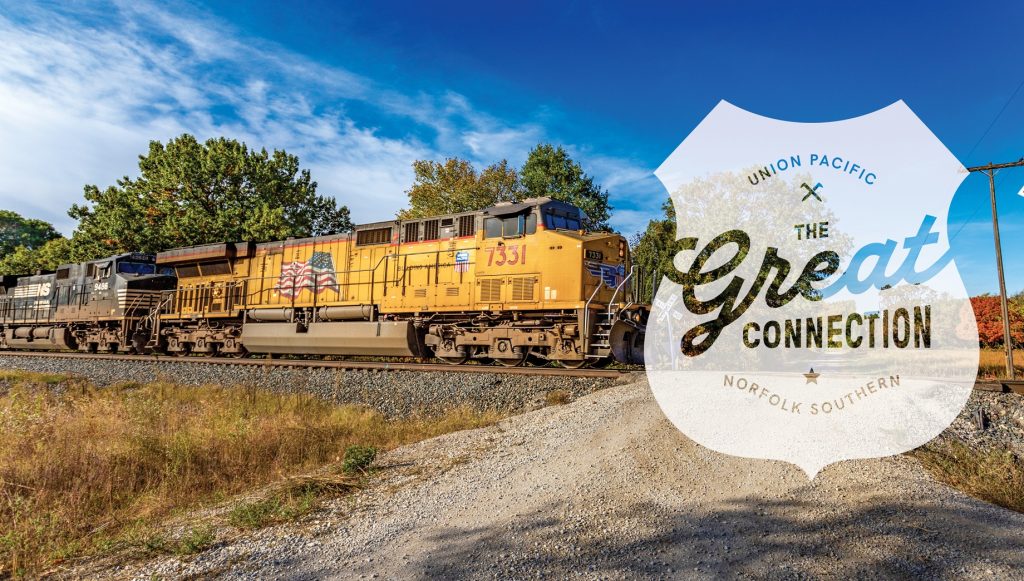
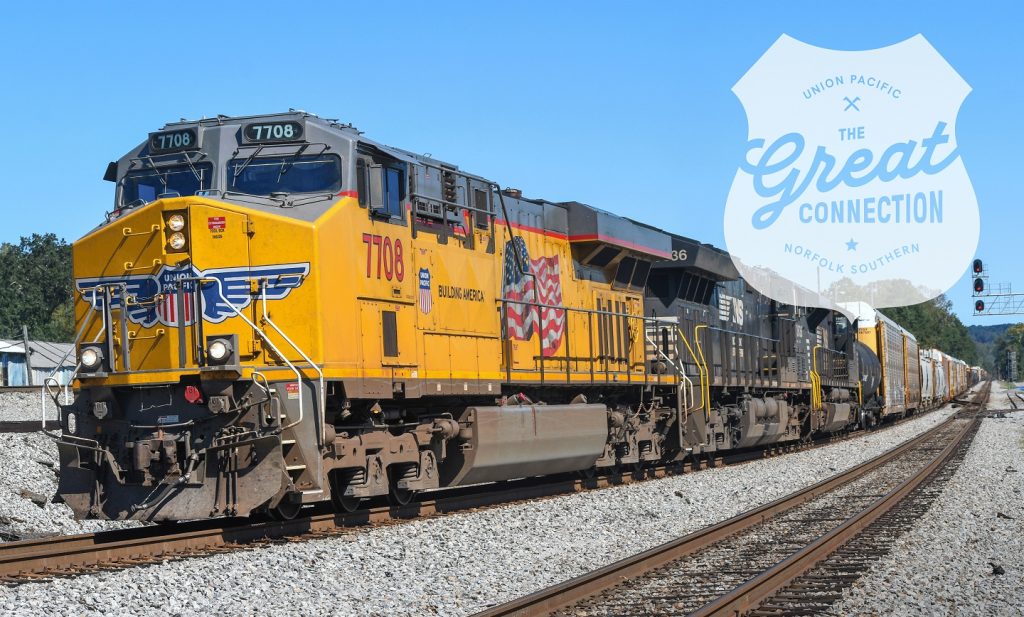
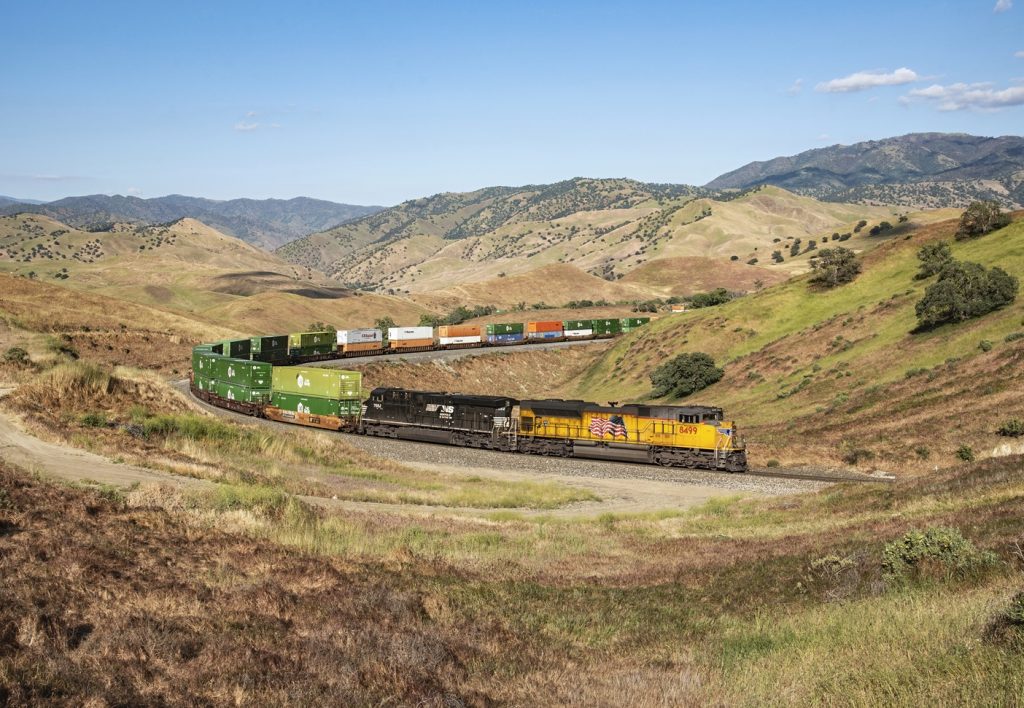
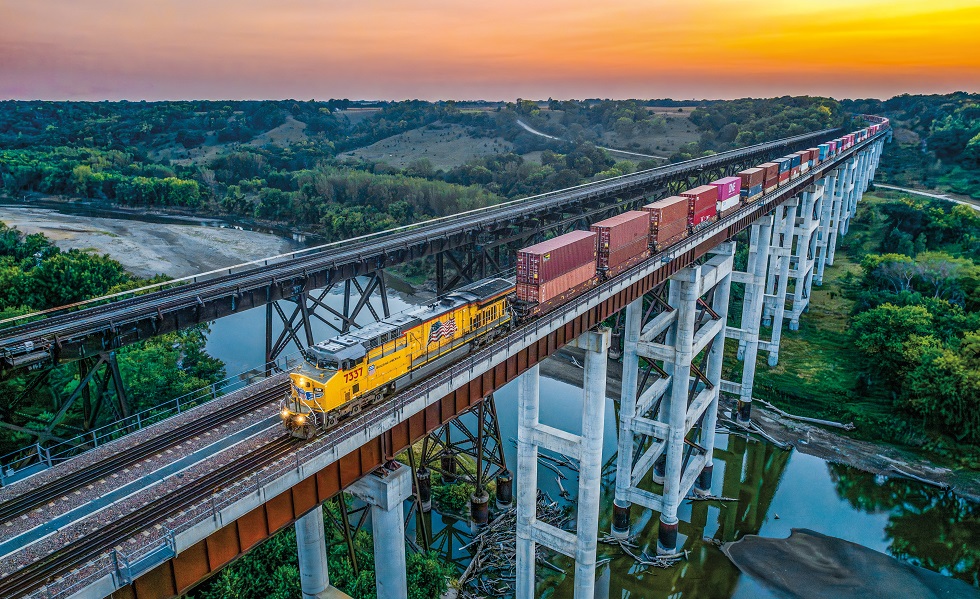
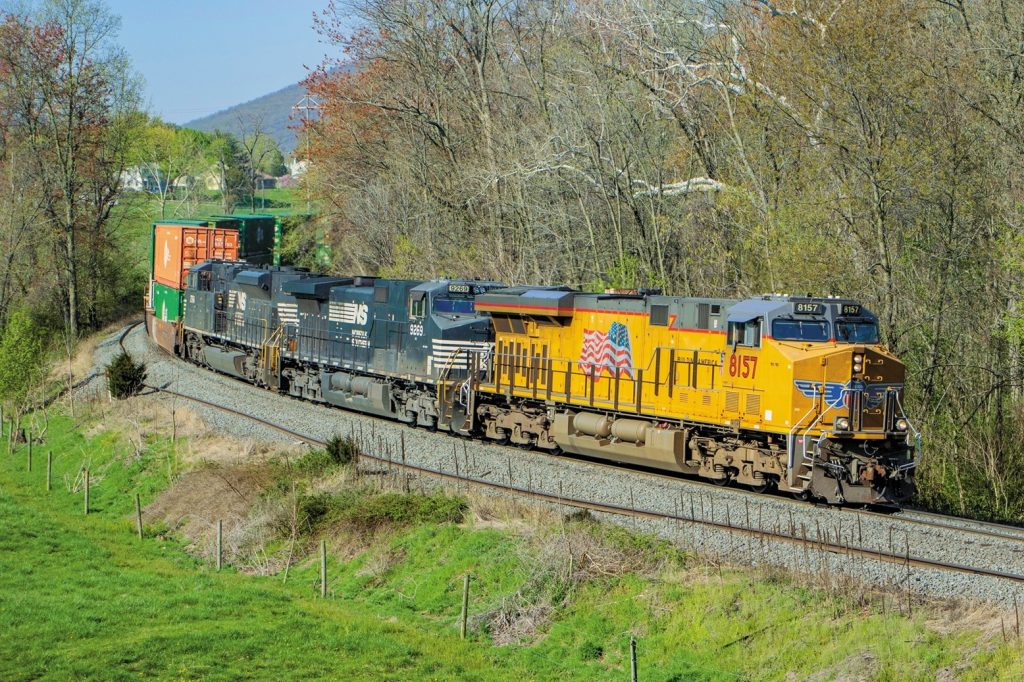
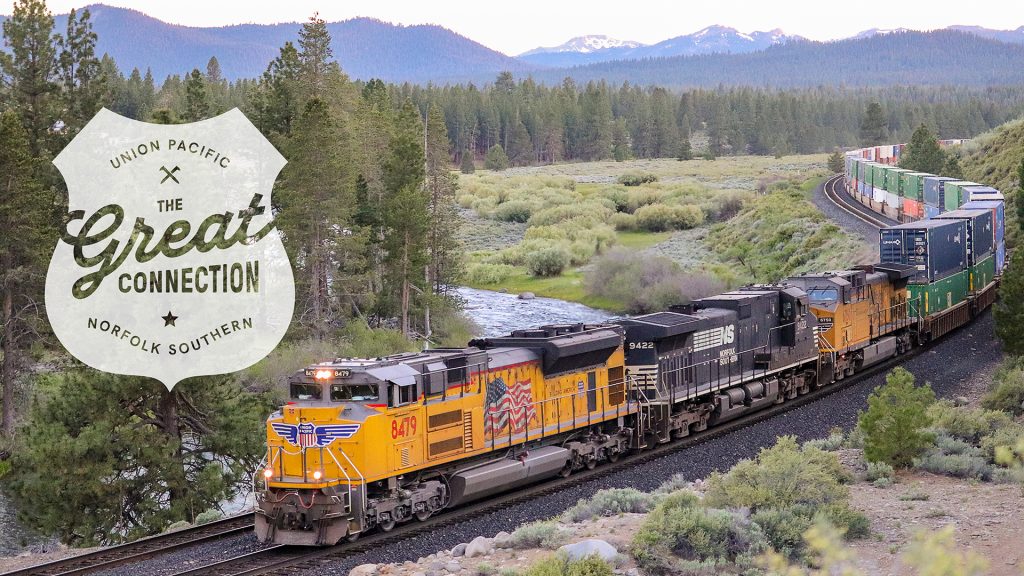
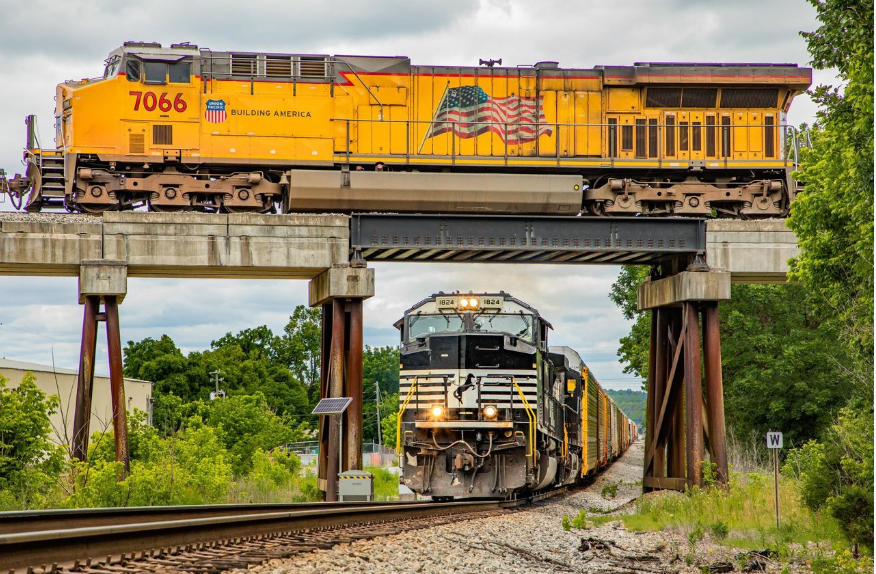
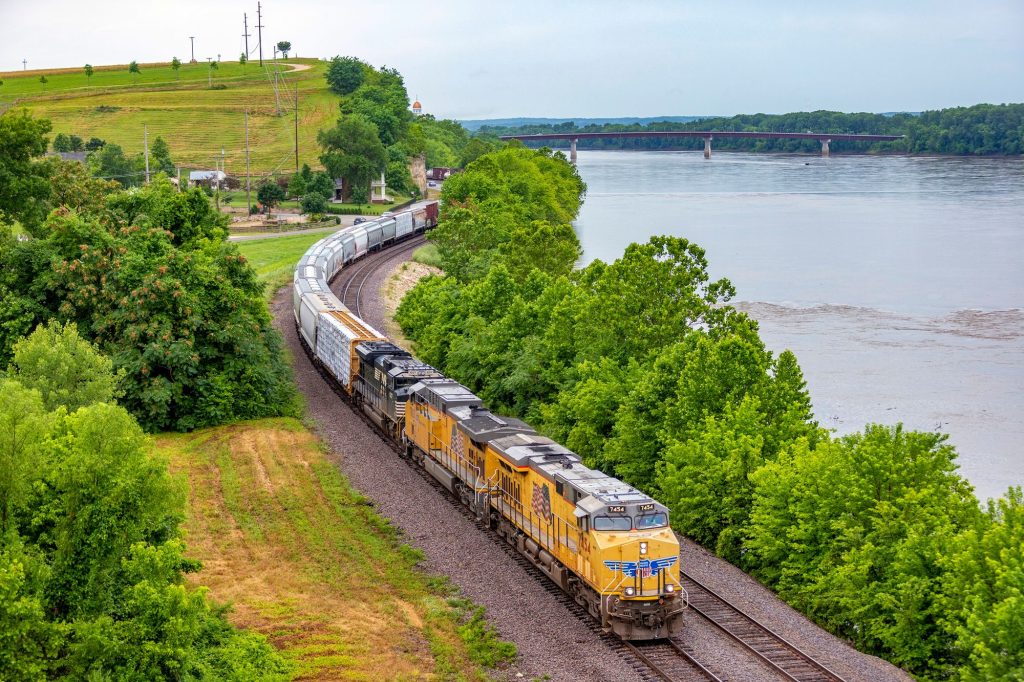
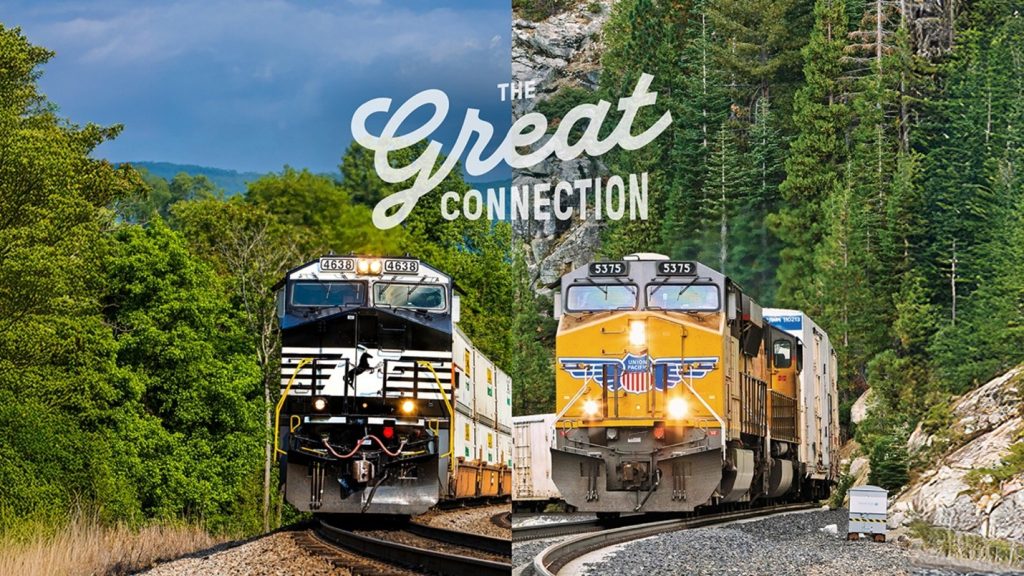
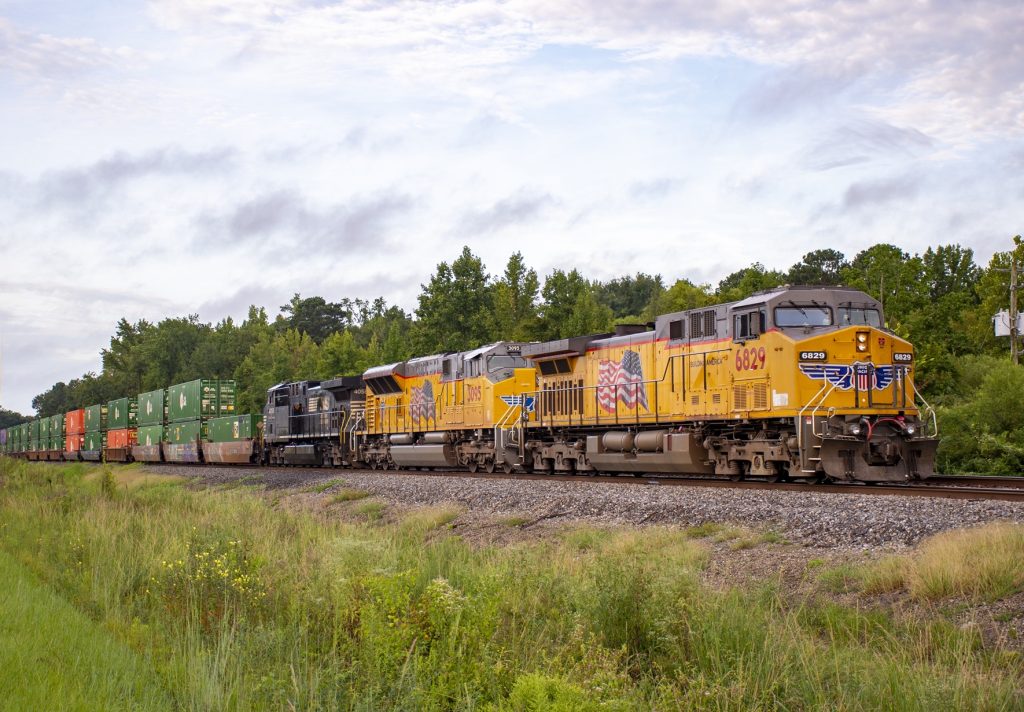
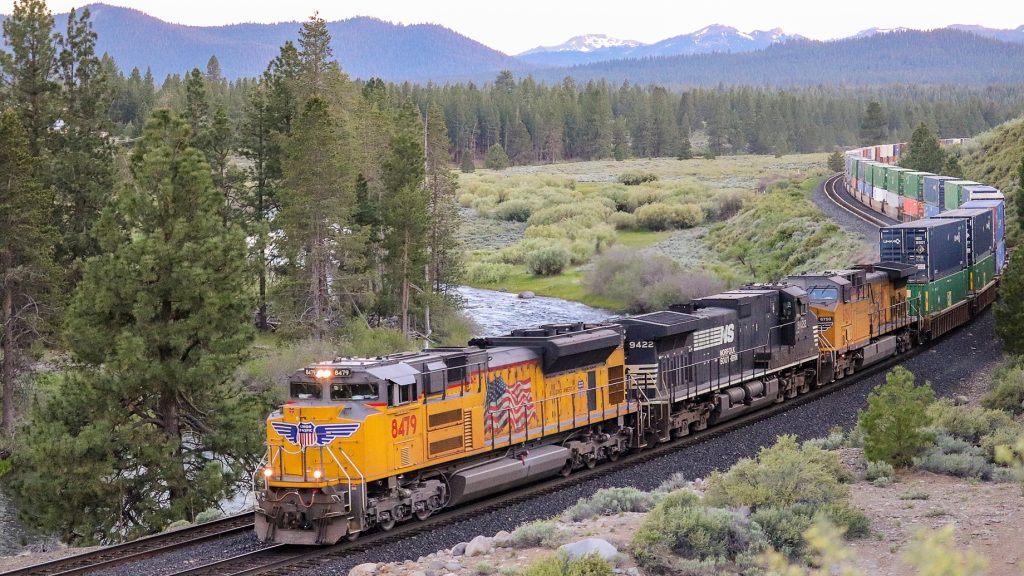
American businesses depend on efficient supply chains, but today’s mid-continent handoff between eastern and western railroads adds time, cost and uncertainty. The Surface Transportation Board (STB) has accepted Union Pacific and Norfolk Southern’s application to create America’s first transcontinental railroad with seamless single-line service. The result: faster, safer and more cost-effective freight service.

Latest News & Perspectives

See the latest official news, updates and perspectives on The Great Connection and the Union Pacific–Norfolk Southern combination.

More Routes. More Access. More Competition.

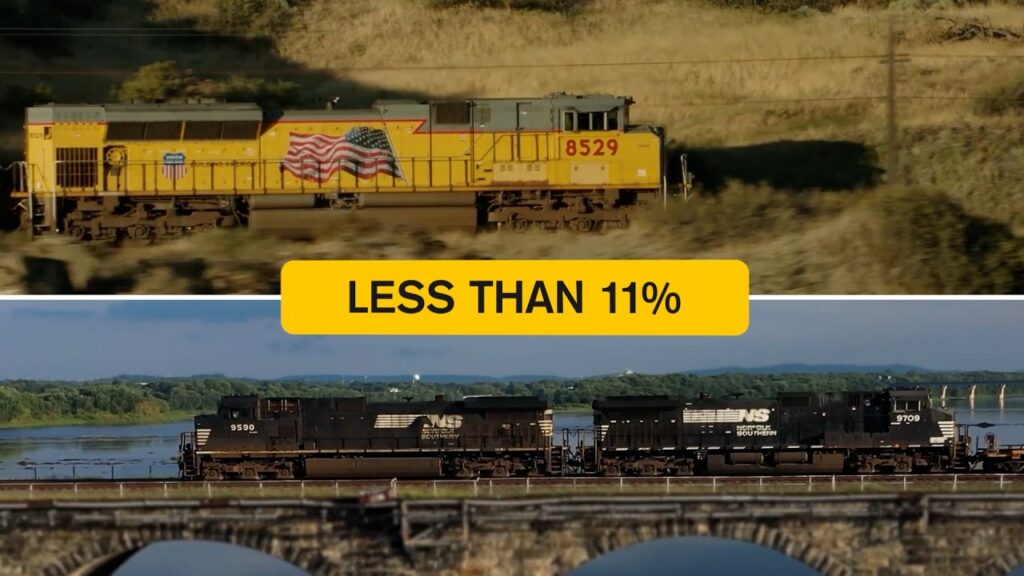
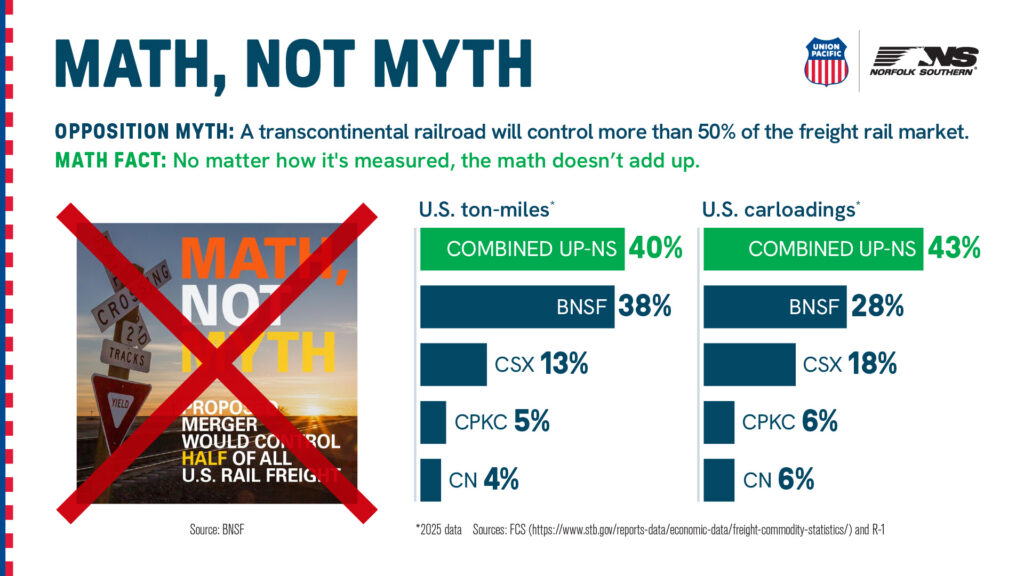
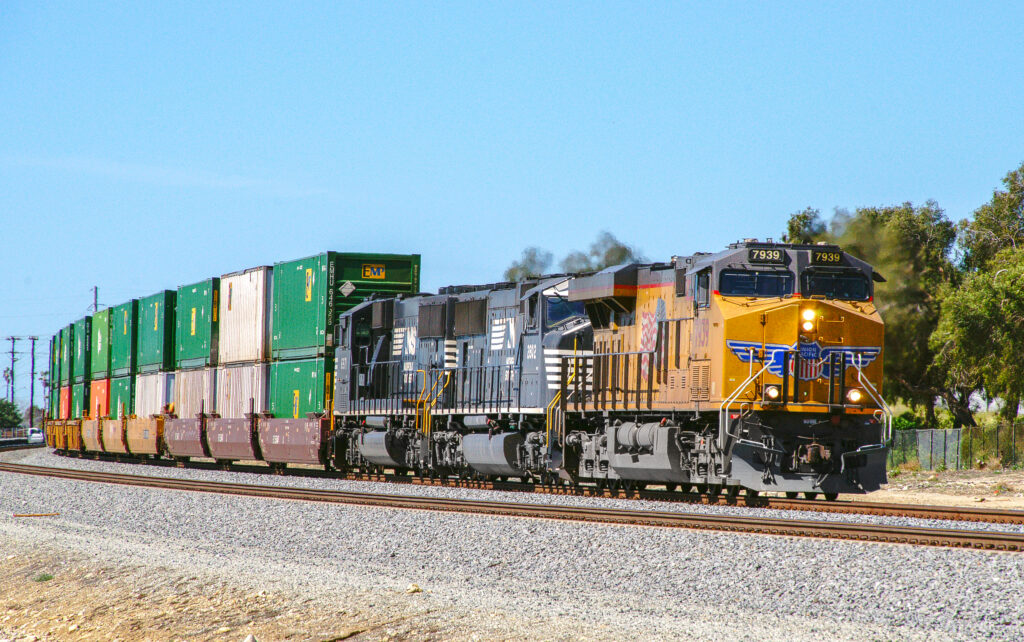
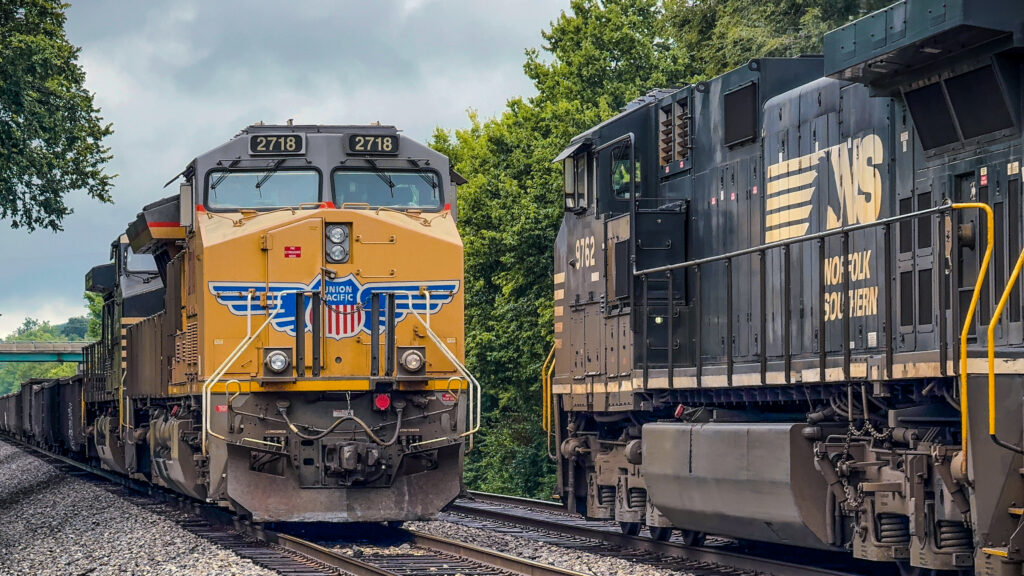
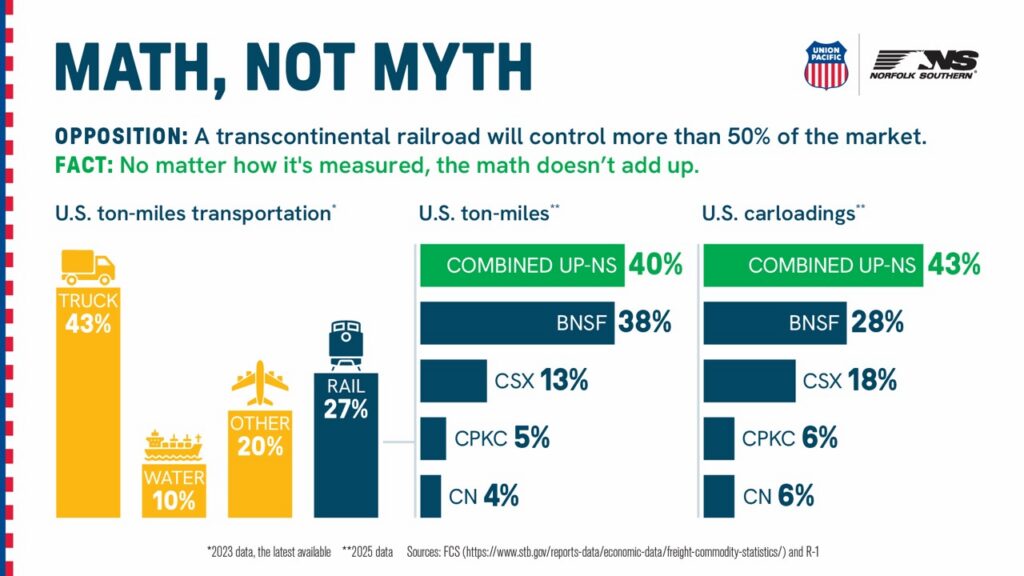
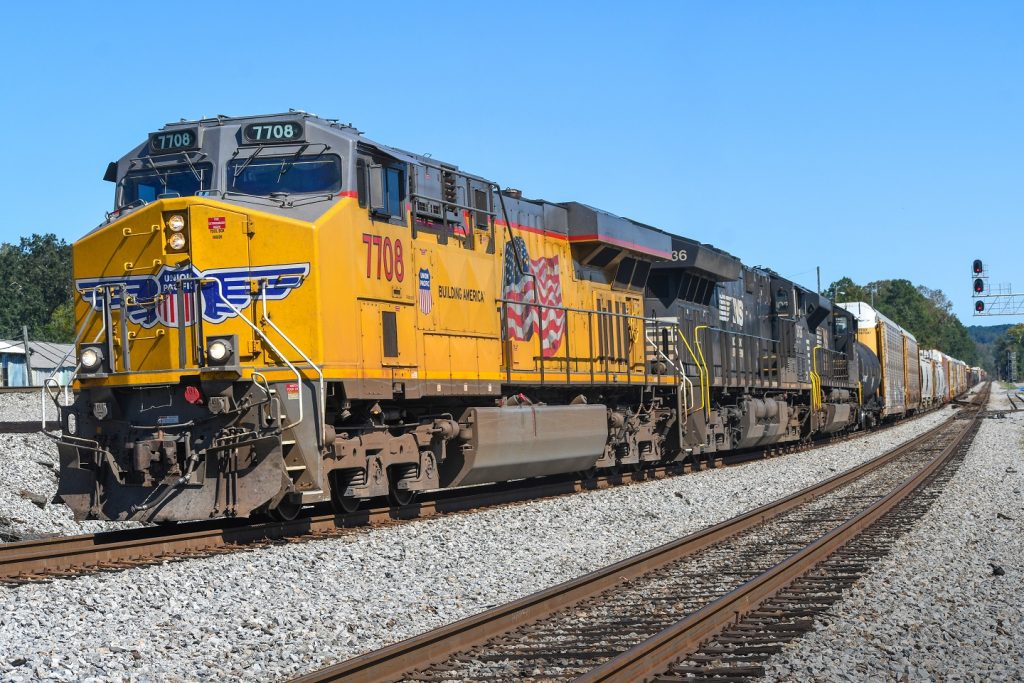
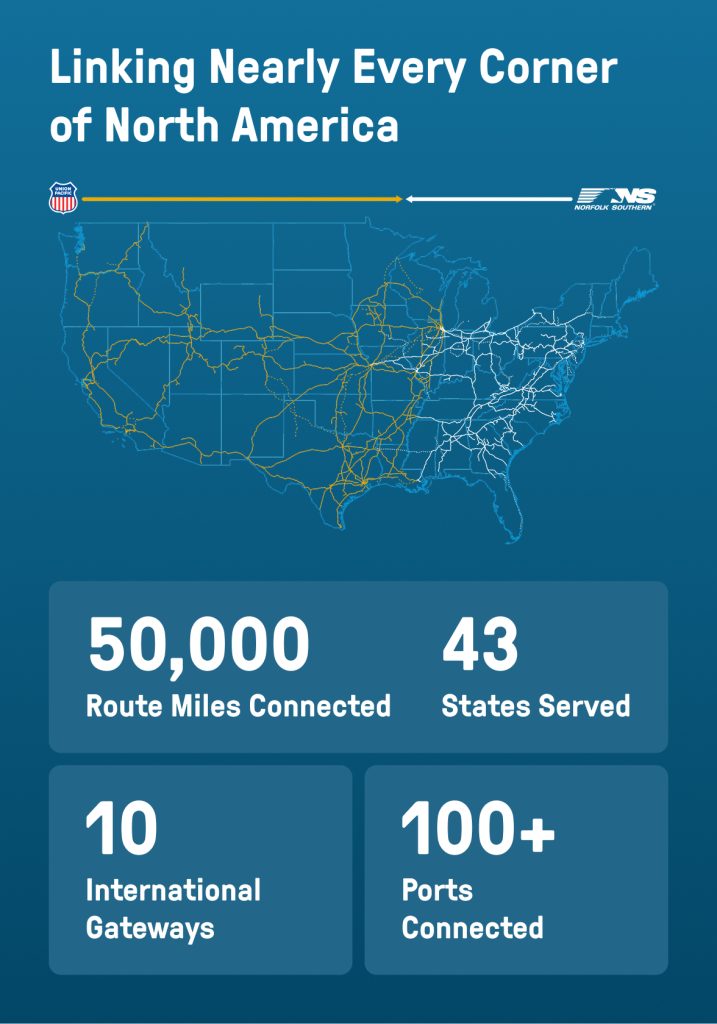
The Union Pacific and Norfolk Southern merger will be an end-to-end combination with virtually no route overlap. Because of their distinct geographic service areas, the two railroads do not compete today — and regional competition would be preserved.

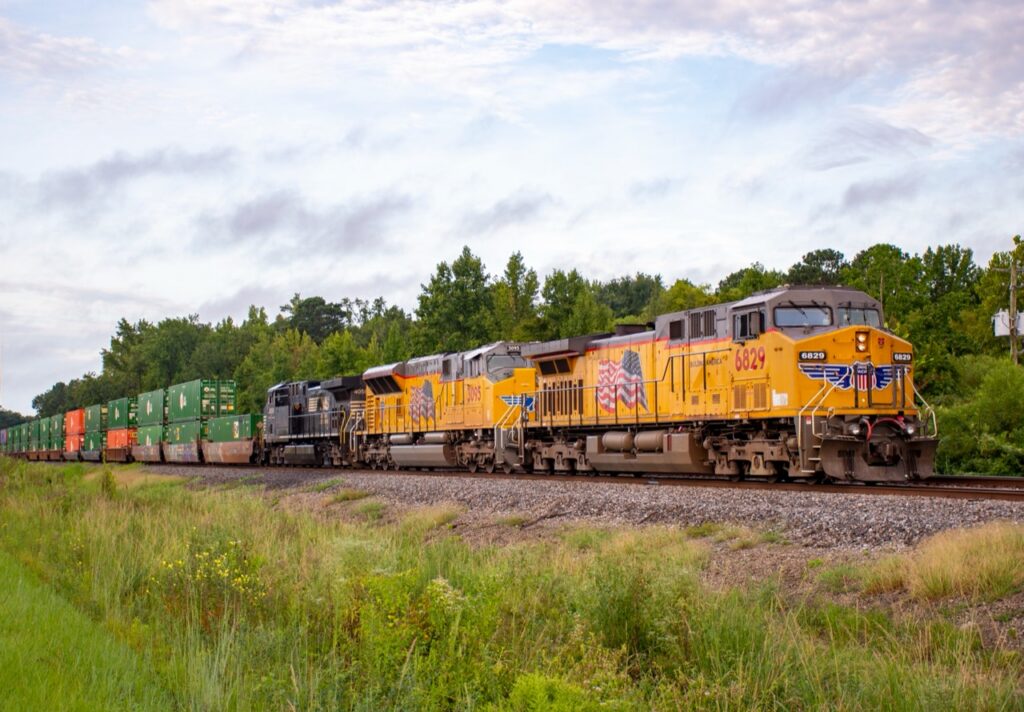
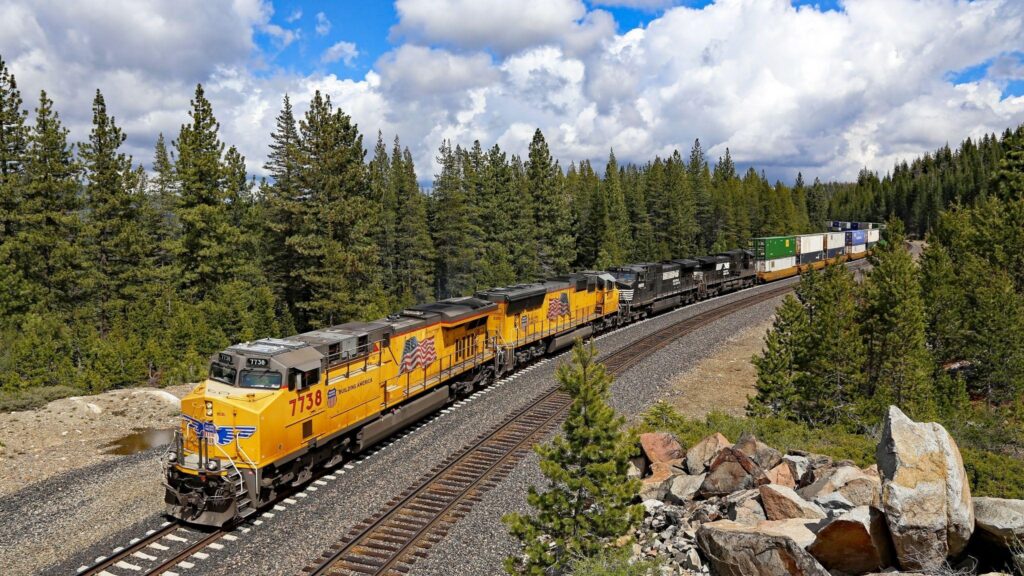
The vision for the combined company is all about growth through new routes and better service for customers. By linking Union Pacific’s expansive Western network with Norfolk Southern’s unmatched access to Eastern population and manufacturing hubs, freight can bypass congested interchanges and move along the most direct, efficient paths. Seamless coast-to-coast service will raise performance standards across the industry, spur innovation and create new shipping options — putting downward pressure on costs for businesses nationwide.

Analysis by independent economists found the combination pro-competitive. It is expected to expand access, improve service and create downward pricing pressure for shippers.

Unifying the U.S.

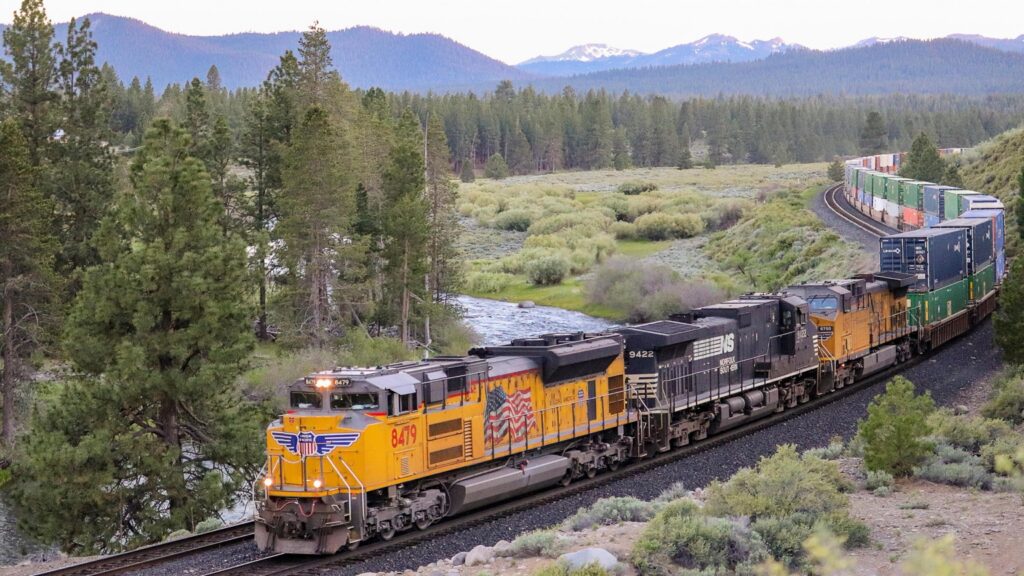
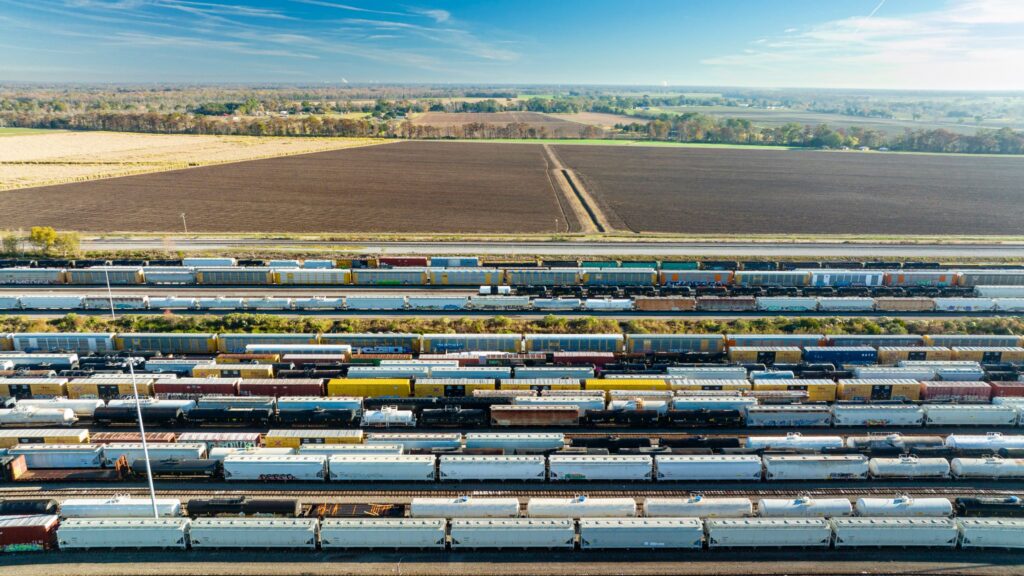
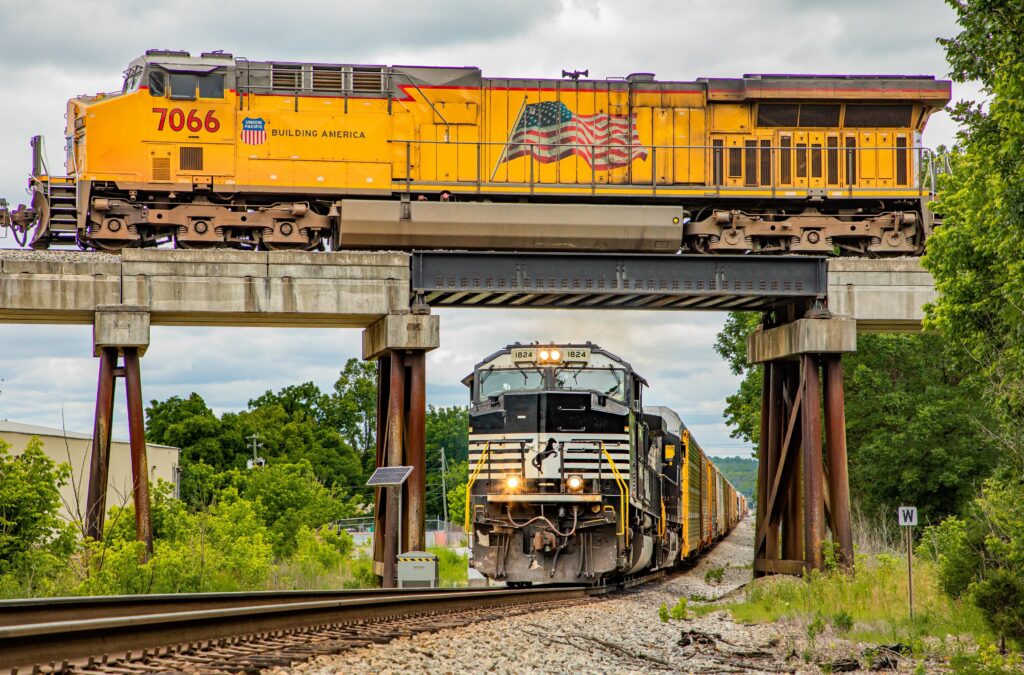
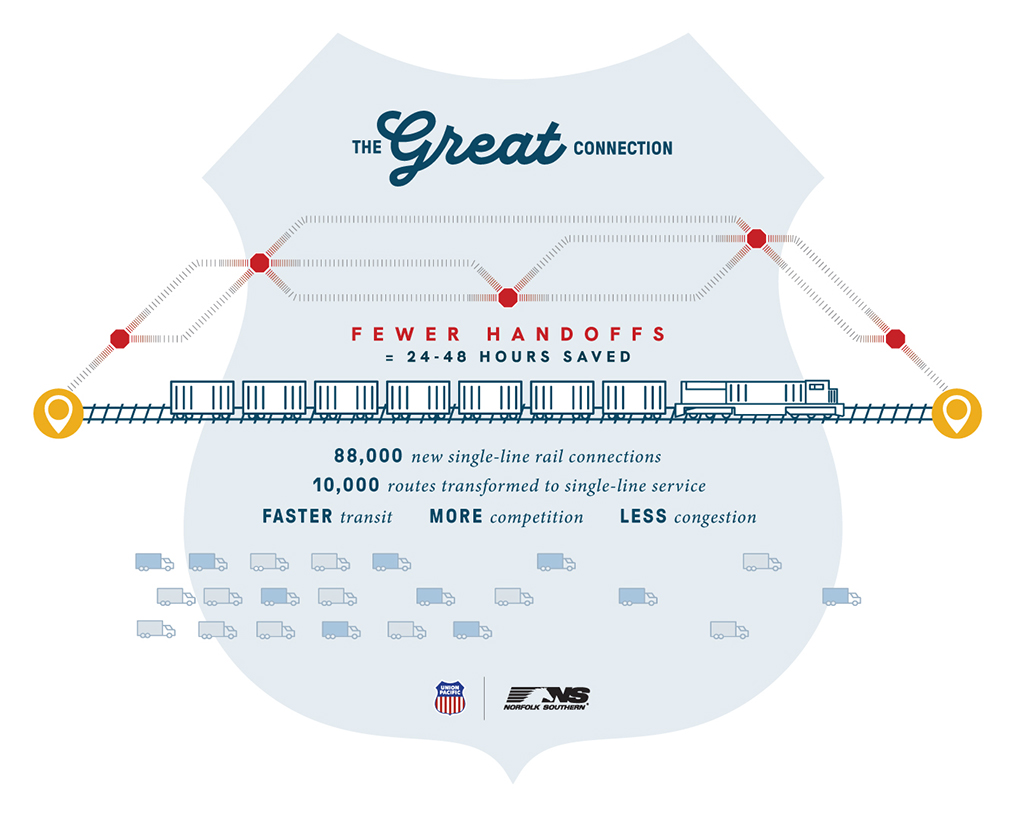
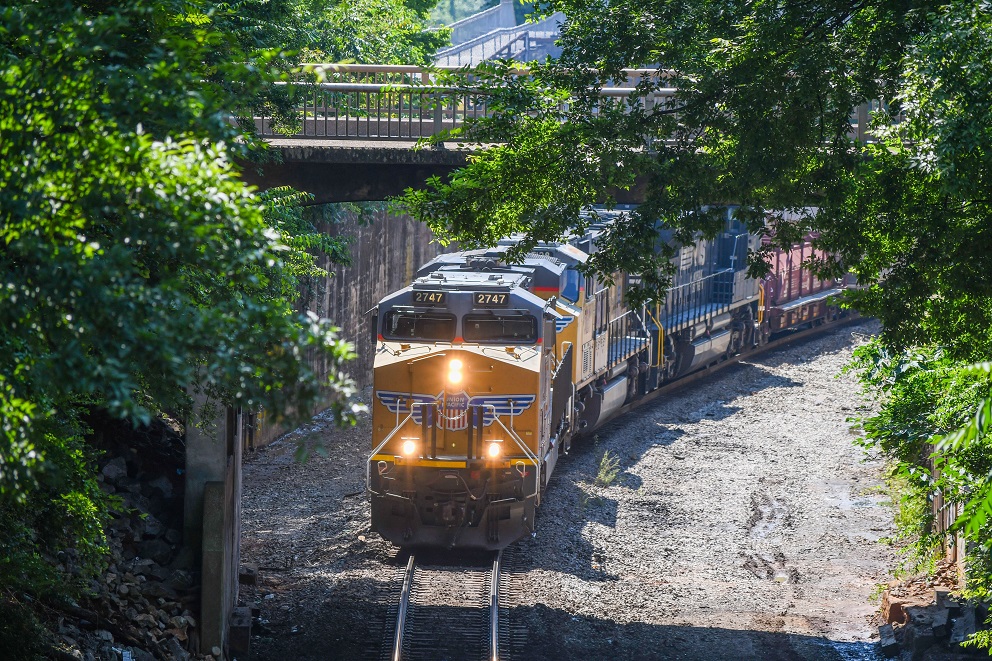
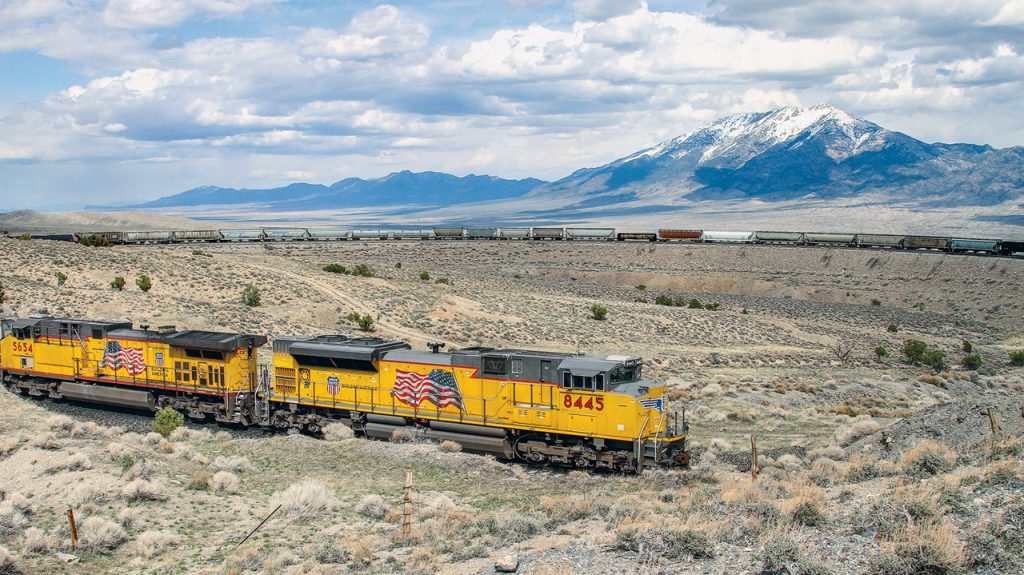
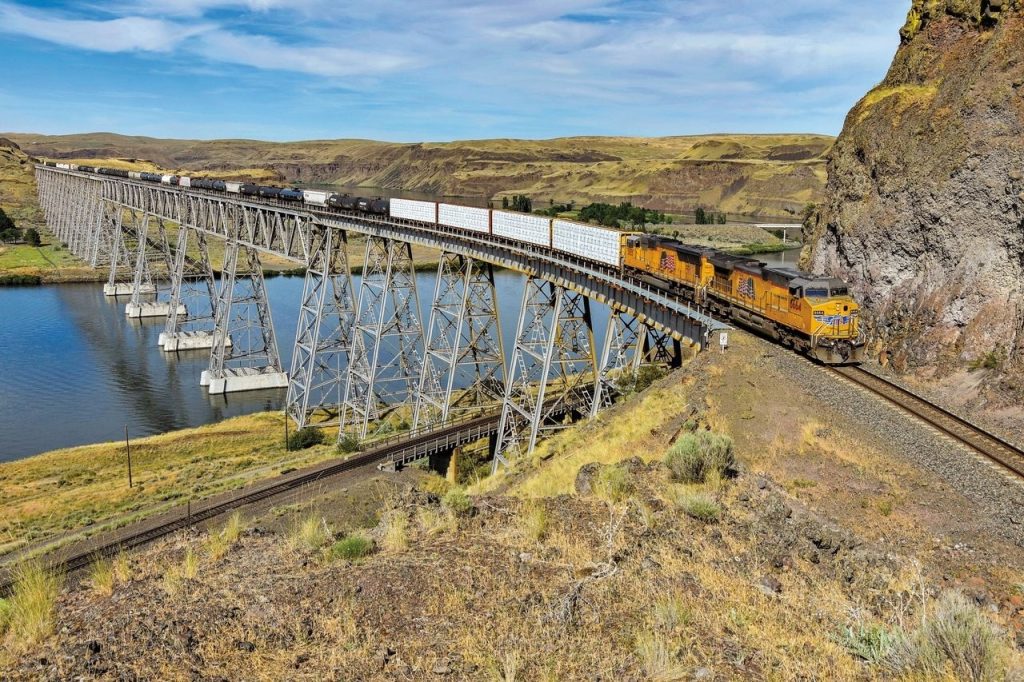
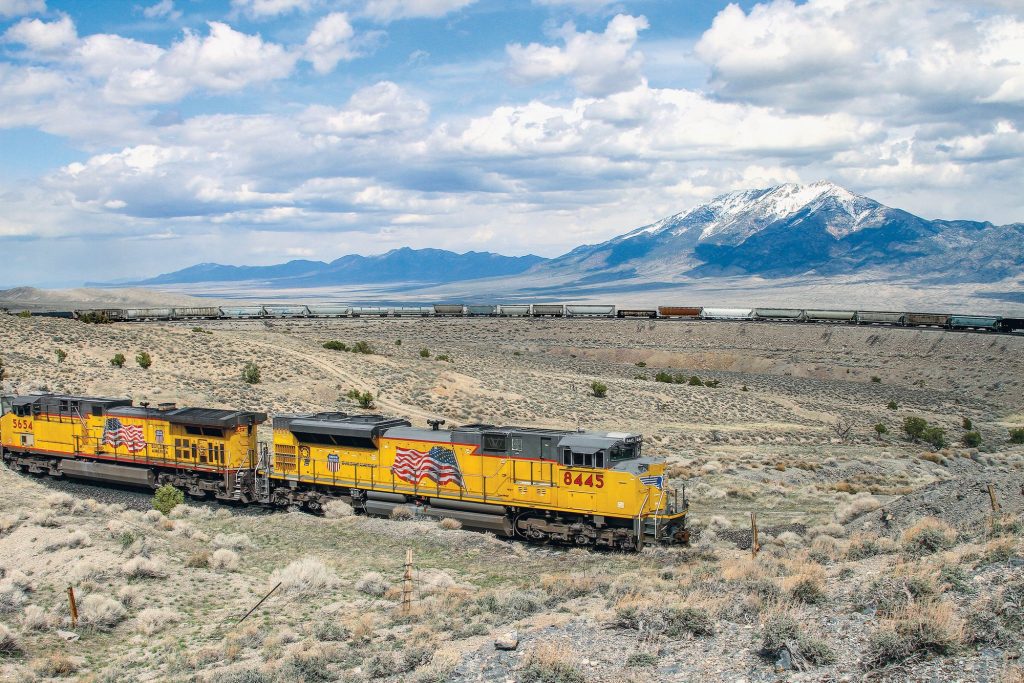
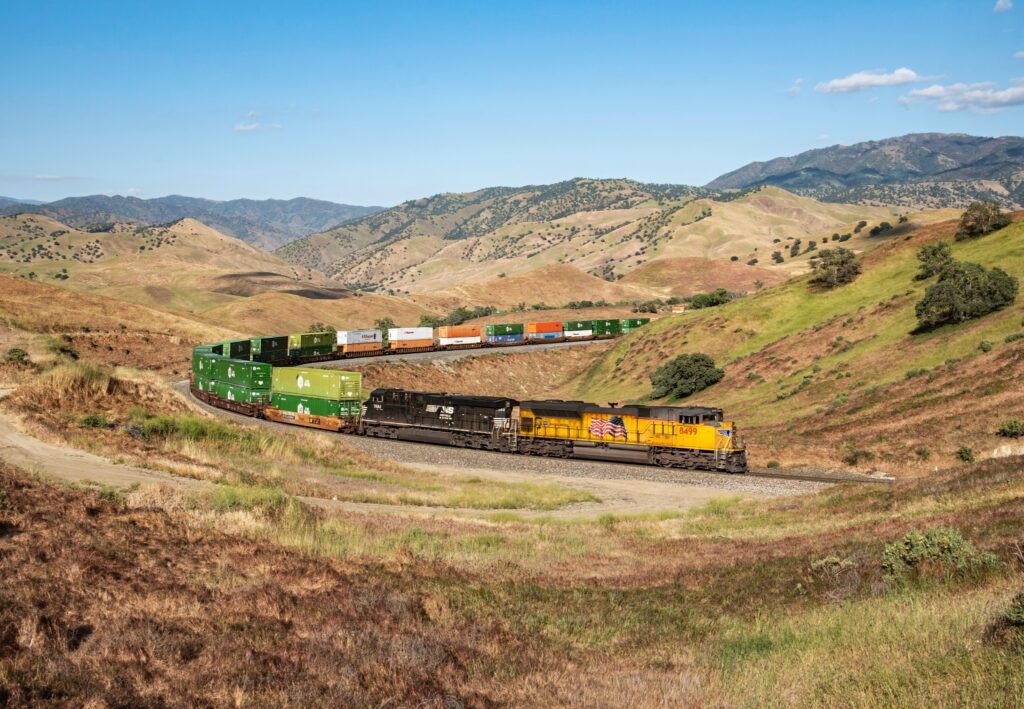
The combined network will span 50,000 route miles across 43 states, connecting more than 100 ports and 10 international gateways to markets in Canada and Mexico. Six connection points will link the two complementary systems with minimal overlap — creating a transcontinental route that bridges the East-West divide and allows freight to bypass congested interchanges for the fastest, most direct path available.

For the first time, American businesses will gain a single rail partner for coast-to-coast shipments — with the reach and flexibility to compete for global freight through U.S. ports and infrastructure, rather than ceding that volume to Canadian rail corridors.

Hear about our tomorrow

69d8ff6867b96c575cd217ed_SVG (3)

The Impact

The Union Pacific-Norfolk Southern combination will deliver measurable benefits across the supply chain, the workforce, the environment and the national economy —as outlined in the STB application and supported by independent economic analysis.

Reduced supply chain costs

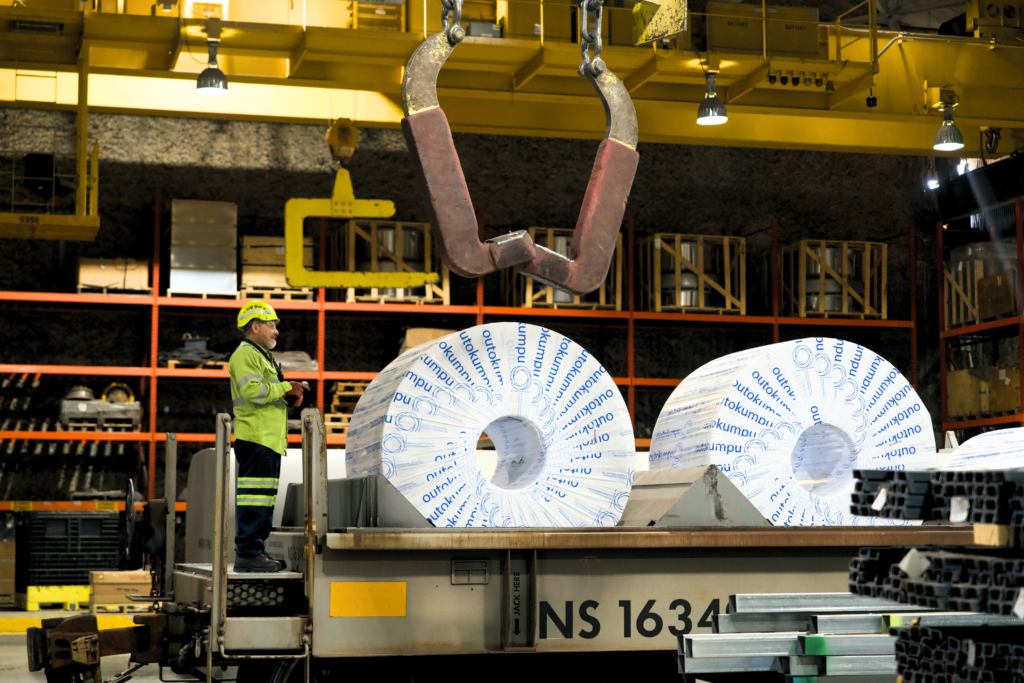
A seamless coast-to-coast railroad will help drive supply chain costs down for shippers, making American businesses more competitive and everyday goods more affordable over time. The combined railroad is expected to remove 2.1 million truckloads from the road. Shifting from higher-cost trucking to lower-cost rail service is expected to save shippers an estimated $3.5 billion annually. Shippers will also save on inventory and equipment costs due to reduced transit times.
Read More
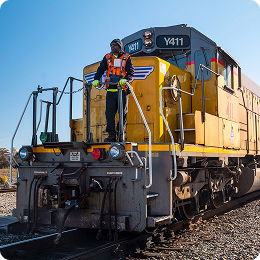
Faster, more efficient service

The combined network will transform 10,000 existing lanes from interline service – which requires time-consuming handoffs between railroads – into faster, more efficient single-line service. It also will create an additional 88,000 county-to-county lanes where shippers are moving freight by road that could – for the first time – move by single-line rail service.
Read More
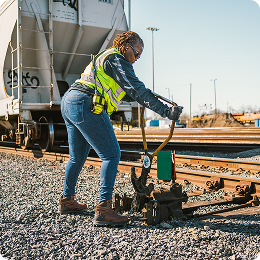
Union jobs protected. Growth creates more.

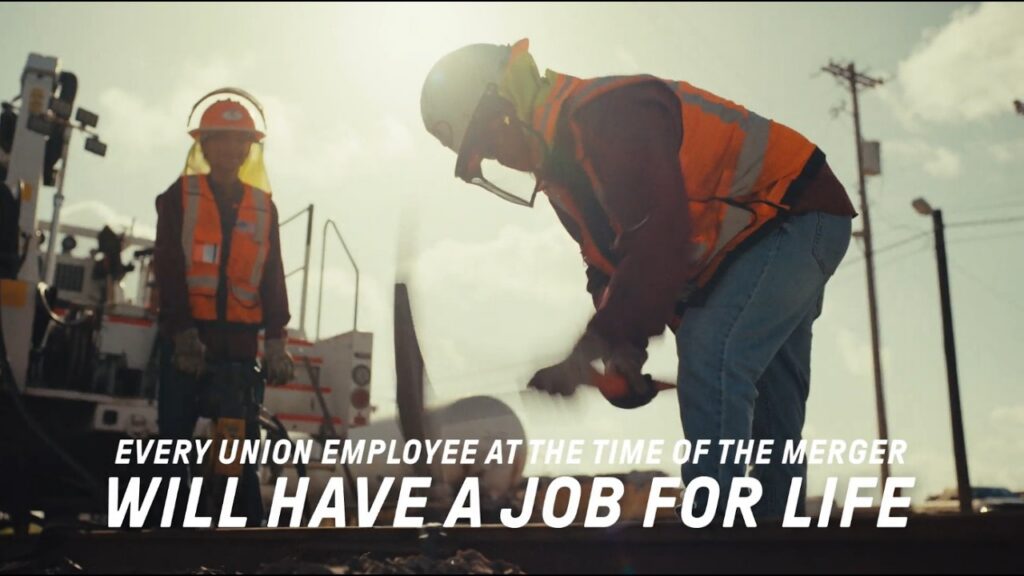
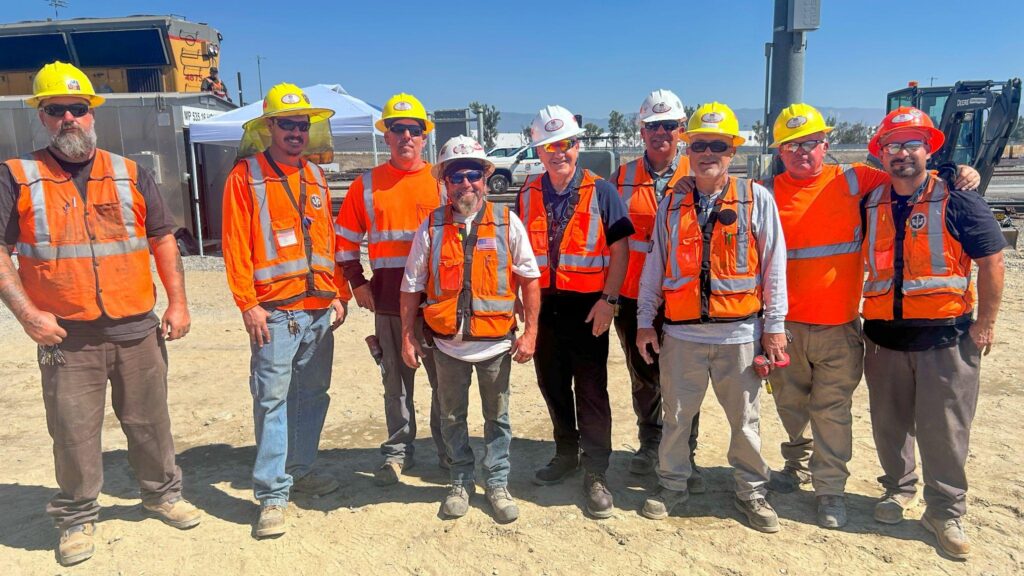
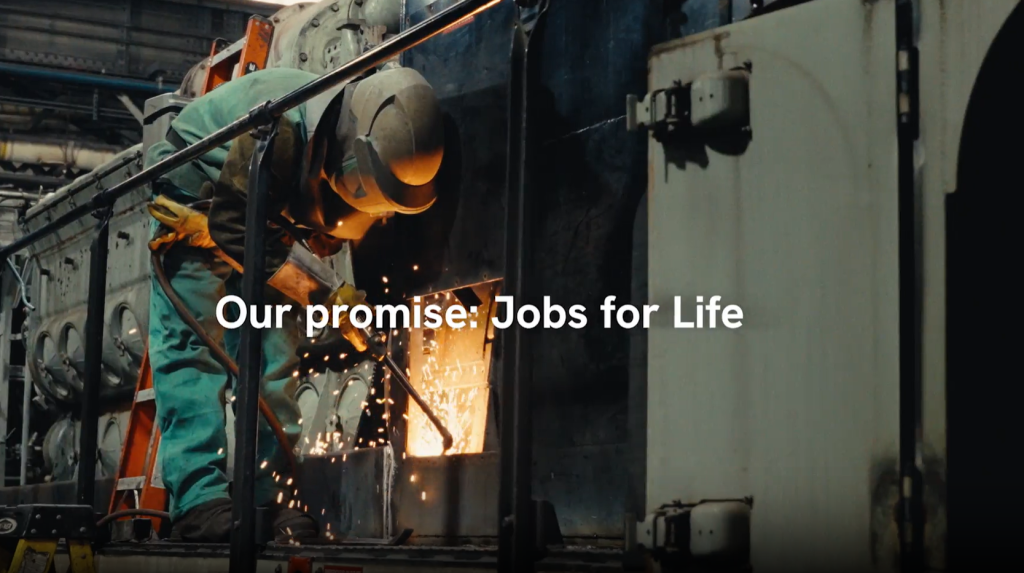
Railroading offers some of the best-paid industrial careers in America. Our pledge is that every union employee working for Union Pacific or Norfolk Southern at the time of the merger will have a job for life. Furthermore, projected volume growth is expected to add 1,200 net new union jobs by the third year following the merger.
Read More
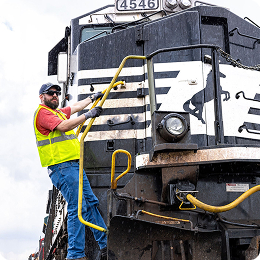
Reduced highway congestion and emissions

Shifting freight from road to rail will reduce congestion, improve road safety and lower emissions. Railroads produce up to 75% less carbon emissions than trucking. New analysis finds that the merger will eliminate nearly 3.8 million tons of annual carbon dioxide emissions through reduced fuel use when fully implemented.
Read More
By the Numbers

88,000

New county-to-county lanes created — more options, not fewer

10,000

Existing interline lanes converted to single-line service

2.1M

Truckloads shifted from road to rail annually

1,200

Net new union jobs expected by Year 3

$5.6B

Combined annual infrastructure reinvestment

2,000+

Letters of support — largest in STB history

$3.5B

Annual savings for shippers moving from road to rail. Lower shipping costs support affordability for all Americans.

Make Your Voice Heard

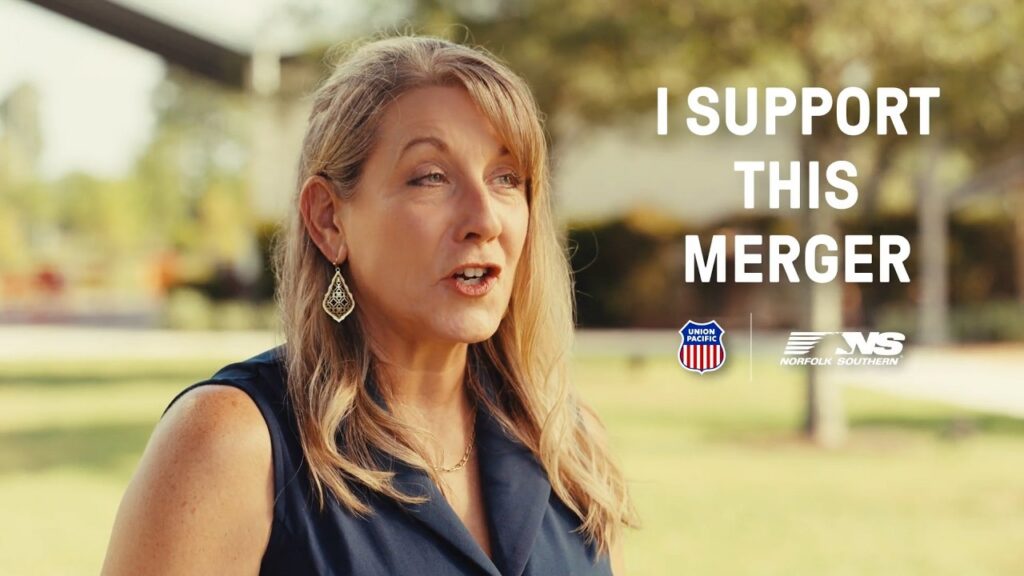
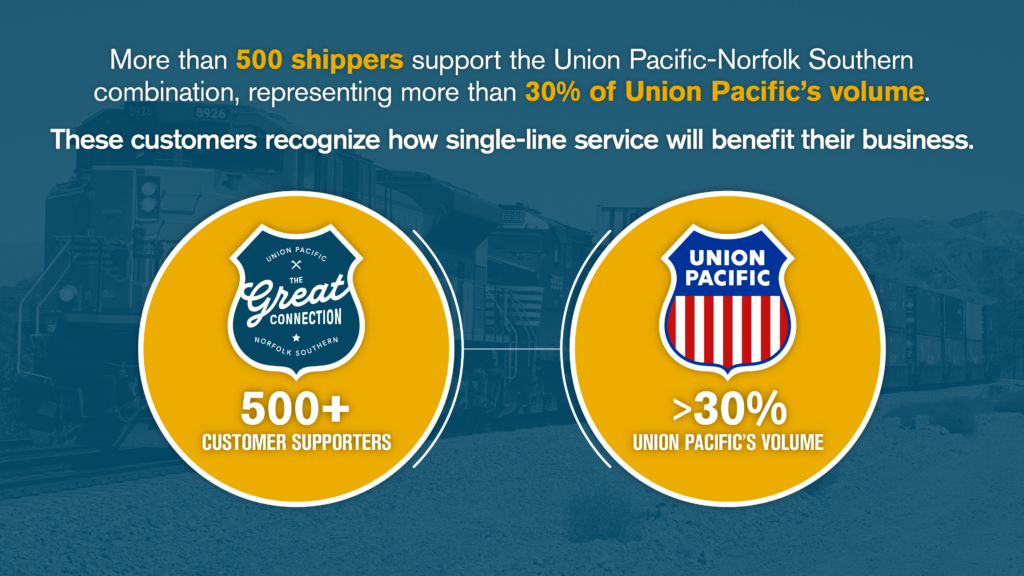
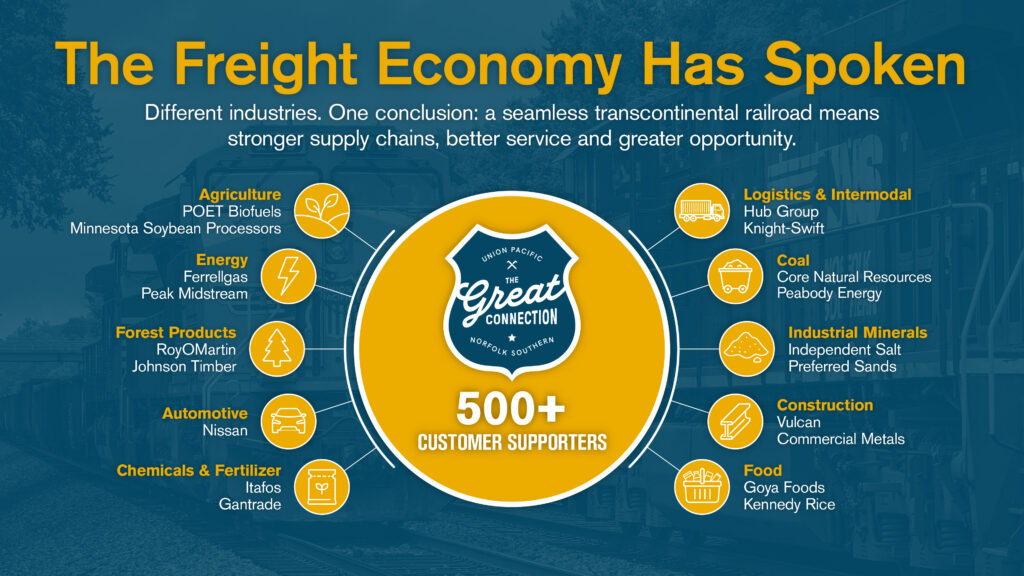
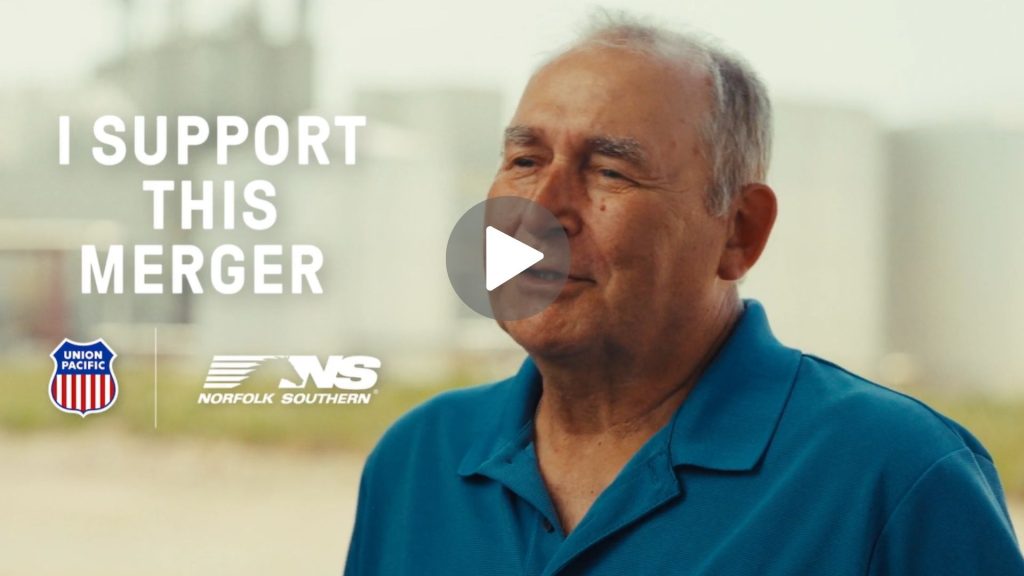
More than 2,000 businesses, unions, farmers and community leaders have already told the Surface Transportation Board why this combination matters. Tell Congress why America’s first transcontinental railroad matters for American jobs, supply chains and economic growth.

Benefits described are intended and proposed, subject to STB review and approval.

Please review Union Pacific’s cautionary note regarding forward-looking statements.