Intermodal Has Come a Long Way. The Next Era is About Removing Friction.
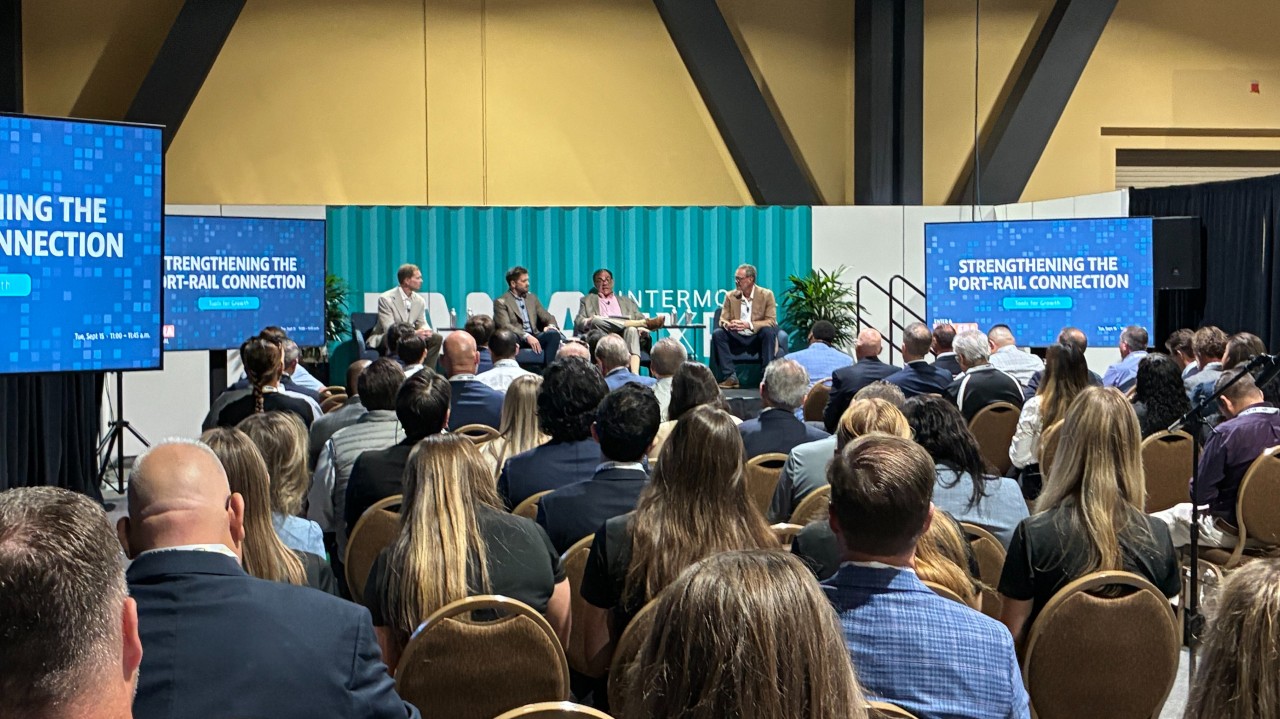
Era One: We built the network.
I was fortunate to join NS at a time when we were focused on building a strong network footprint. It was fun to be part of establishing what we can now call the most extensive network on the East Coast.
Following consolidation in the late 1990s, railroads invested heavily in terminals, corridors, port connections, and double-stack routes. We expanded our footprints, connected major freight markets and built the backbone of the U.S. intermodal network customers use today.
That work mattered. It gave shippers a real long-haul alternative to truck. It helped intermodal grow from a promising option into a core part of the freight market. It gave customers another way to move goods across the country. But those who know me know I’m direct… and we didn’t always make it easy enough to use.
Too often, customers had to work around the complexity of the rail network. Long-haul shipments could involve multiple handoffs, several parties and service variability that was hard to plan around. Rail had a cost and efficiency advantage in many lanes, but cost alone does not shift a supply chain. Customers need confidence.
Looking back, the first era did prove intermodal could scale, but it definitely did not fully solve the customer experience.
Era Two: We competed for the customer.
Over the last 15 years, the conversation changed.
Customers started looking at intermodal through a different lens. They weren’t just asking whether rail could move freight at a lower cost. They were asking whether it could help them run their business better.
Could they plan around it? Would it work the same way next week? Could they see what was happening? Was it easy to do business?
That pushed the industry into a second era focused on service, consistency, visibility and terminal performance.
At Norfolk Southern, that has meant investing not only in the physical network, but in the customer experience around it. We have focused on improving terminal flow, reducing bottlenecks, strengthening capacity management systems, and building tools that make it easier for customers and drayage partners to do business with us.
We have also continued to invest in the fundamentals that matter to customers: strong port connectivity along the East Coast, inland ports that bring rail closer to key markets, double-stack capability, high-performance corridors, and strategic terminal capacity in the places where demand is growing.
This is where intermodal has become more competitive. When terminals are ready, connections are reliable and communication is clear; customers feel the difference.
They see fewer surprises at pickup and delivery. They get more reliable cutoffs, connections, and deliveries. They have better visibility into their freight movement. They recover faster when conditions change.
That matters because, as I’ve shared, truck’s biggest advantage is often not speed alone. It is simplicity. Intermodal competes best when it gives customers the same sense of confidence.
The second era has been about proving rail can be a service product customers can plan around. This is not me saying we’re perfect, but you cannot deny the progress made in the customer experience during this time. Our company is focused on continuous improvement for ourselves and our customers, that brings me to what’s next.
Era Three: We remove the friction.
In our next era, we have to go further. It is not enough to keep improving individual terminals, corridors, or service lanes. The next step is removing the structural friction that has limited intermodal for decades.
That is why the proposed Union Pacific–Norfolk Southern combination is so important to the future of intermodal.
Today, many long-haul intermodal moves still require a handoff between railroads, especially at major gateways such as Chicago. Every handoff creates another point where time, complexity, and uncertainty can affect the shipment. Customers feel that. In many cases, that is the moment freight stays on the highway.
A transcontinental Union Pacific-Norfolk Southern network will change that equation.
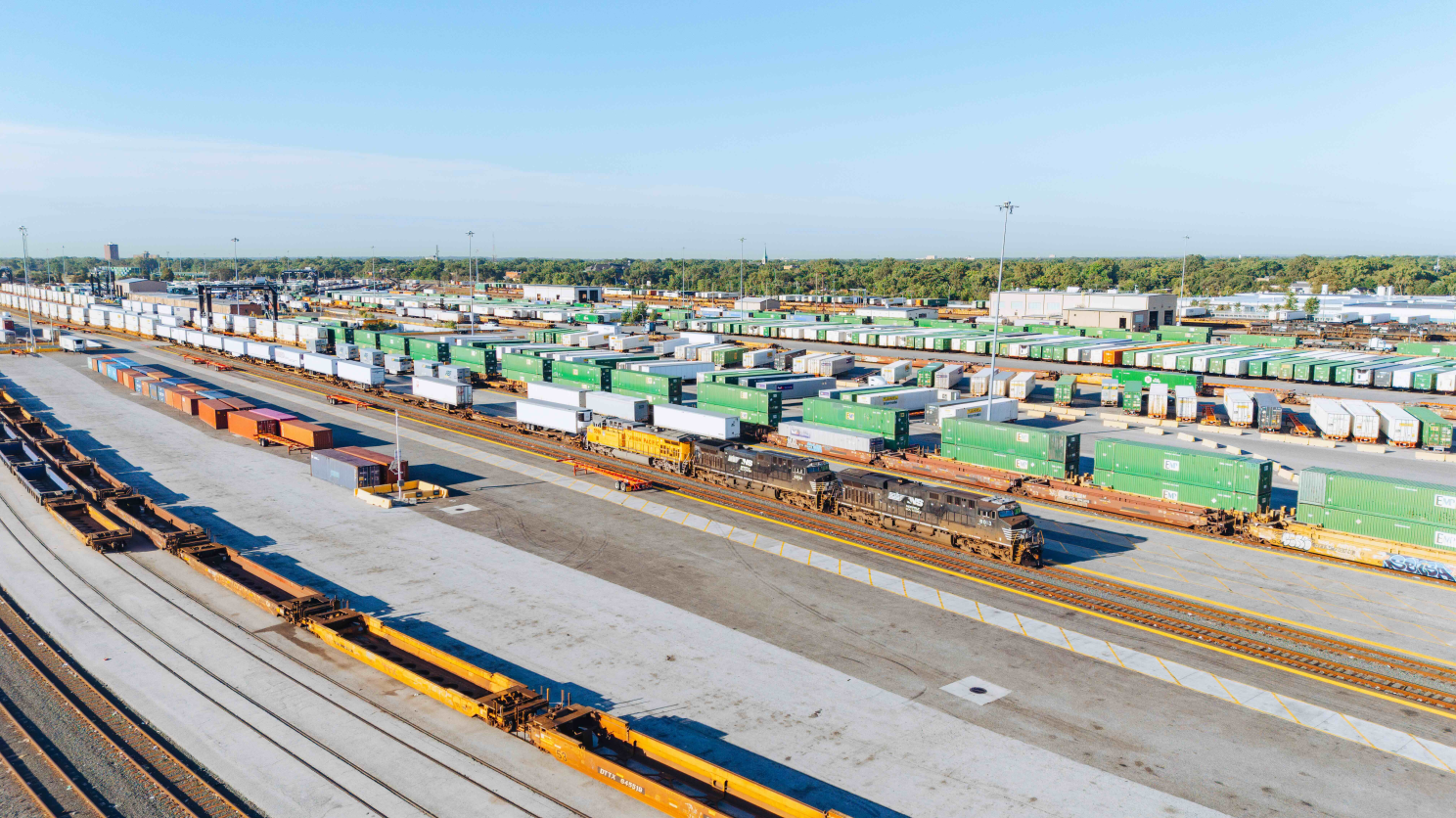
The proposed combination will create a single-line railroad connecting East and West, converting thousands of existing interline lanes into more seamless service under one accountable rail partner. In customer terms, that means fewer handoffs, fewer touches, fewer delays, and a simpler way to move freight coast to coast. The application materials describe an opportunity to transform about 10,000 existing lanes from interline to single-line service, eliminate roughly 2,400 rail car and container handlings and 60,000 car-miles each day, and create broader single-line access for customers across the country.
For years, we have known that single-line service changes how customers view rail. When single-line service is available, freight is significantly more likely to move by rail instead of highway. The reason is straightforward: the product is easier to buy, easier to manage and easier to trust. Customers can work with one commercial team, one contract, one invoice, one digital experience, and one accountable partner for the move.
That is what the next era of intermodal must be about: a simpler, more competitive rail ecosystem.
A customer moving freight from the West Coast to the Southeast or the Northeast should not have to build extra time and uncertainty into the plan because the shipment crosses between railroads. A logistics provider should not have to manage around unnecessary complexity if a more direct rail option can exist. A shipper choosing between truck and rail should see intermodal as a practical, dependable option, not as a complicated one.
The Union Pacific-Norfolk Southern combination has the potential to make that possible at a scale the industry has not had before. It would connect complementary networks, expand market access, support 7 new premium intermodal lanes and make rail more competitive against long-haul trucking. It also would give customers a clearer path to shift more freight from highway to rail, reducing congestion and strengthening supply chains.
That is the breakthrough opportunity.
Terminals experience matters to seize growth.
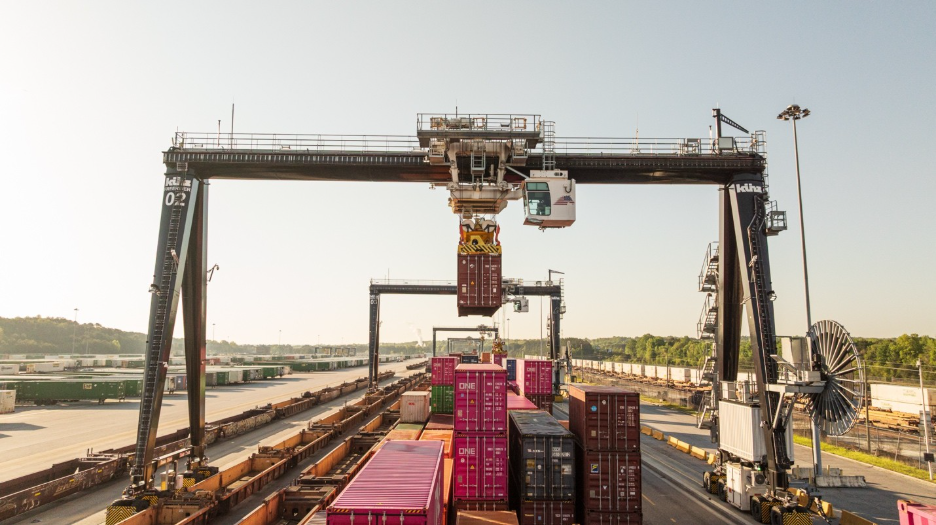
A transcontinental network can remove major friction across the system, but customers still experience intermodal at the terminal. The terminal is our storefront. That is why terminal readiness remains critical right now. The best network strategy only works if the physical touchpoints deliver.
When terminals are designed and operated for velocity, customers see the benefits immediately: reliable gate experiences, better visibility, lower driver dwells, smoother connections and faster recovery when conditions change. When terminals are not ready, intermodal becomes harder to use no matter how strong the broader network may be.
This is where investment becomes conversion.
If we want to move more freight from highway to rail, we have to be ready before the freight arrives. That means having the people, process, power, technology and terminal capacity in place to handle growth. It also means continuing to make the customer experience simpler at every point where freight changes hands.
That is the link between what Norfolk Southern is doing today and what a combined Union Pacific-Norfolk Southern network could make possible tomorrow. We are already improving the parts of the system customers touch every day while also supporting a larger vision for a more connected, more accountable coast-to-coast rail product.
The first era was about building the network. The second was about improving the service product. The third has to be about removing as much friction as possible at the terminal, at the handoff, and across the entire network.
That is how intermodal breaks through industry conversation. Not by asking customers to accept complexity, but by taking complexity out of the system.
When customers can plan around it, when they can see it, when they know who is accountable and when it helps them compete in their own markets, intermodal will be more than a competitor to trucking.
It’ll become the standout option to move the country’s freight.
Please review Union Pacific’s cautionary note regarding forward-looking statements.