When Competitors Object, Competition Is Usually Winning
Key Takeaways:
- Competition policy should protect competition, not individual competitors. Rival objections don’t necessarily signal competitive harm. They may simply reflect concern about facing a stronger competitor.
- A transcontinental rail network will strengthen competition with trucking. A seamless national rail option, with fewer handoffs, more direct service and greater network efficiency, will give customers a stronger alternative to over-the-road transportation.
- Customers and other stakeholders see value in a more competitive freight network. Support from hundreds of customers, labor organizations, public officials and competition-policy experts reinforces the case that the combination will improve service, expand transportation options and strengthen the broader U.S. freight system.
America’s economy depends on competition. That’s why the Surface Transportation Board’s (STB) review of the proposed Union Pacific-Norfolk Southern merger should focus on whether the transaction increases competition, serves the public interest, strengthens service and benefits customers – not on whether rival railroads prefer the status quo.
Competition-policy experts have long recognized a simple reality: When rivals oppose a merger, it may signal concern about facing a stronger, more efficient rival, not evidence that competition will suffer. That distinction should be central to the STB’s evaluation.
Merrick Carey, CEO of the Lexington Institute, put it best when he wrote that the merger will “put the United States on par with Canada, which has two transcontinental railroads.” He said the transaction will put the rail industry “on a level playing field with trucking companies and airlines, which have faced minimal regulatory hurdles in making coast-to-coast shipments for as long as anyone can remember.”
Carey’s observation hits on the fundamental question before the STB: Should regulators preserve today’s industry structure, or allow competition to evolve in ways that better serve customers and strengthen the broader economy?
This point is extremely important: The transaction will not only create more effective rail-to-rail competition, it will set the stage for the more important competitive landscape of rail versus over-the-road transportation. In my view, the best way to compete with national trucking networks is with at least one national rail network. It is the rail industry’s best option for highway-competitive services, and highway diversion to the safer rail alternative is clearly in the public interest.
Competition is not preserved by keeping the freight system fragmented. It is strengthened when customers have better choices and transportation providers work harder to earn their business.
Competition vs. Competitors
In antitrust and competition policy, there is a critical distinction between protecting competition and protecting competitors.
Businesses rarely welcome the emergence of a stronger competitor. Increased competition forces companies to improve service, reduce costs, innovate faster and work harder to win business. For that reason, objections from rivals do not necessarily indicate harm to competition. In many cases, they reflect concern that competition will intensify.
A group of former senior federal antitrust and enforcement officials made this point directly in comments filed with the STB. As they explained:
"If a merger between competing firms is likely to have anticompetitive effects...the competitors in a market would generally benefit from the resulting reduction in competition."
Said another way, competitors are most threatened when a rival becomes more effective and more vigorous in the marketplace.
A Stronger Transportation Network Benefits America
But the STB’s job is not to protect competitors from tougher competition. It is to determine whether this transaction advances the public interest.
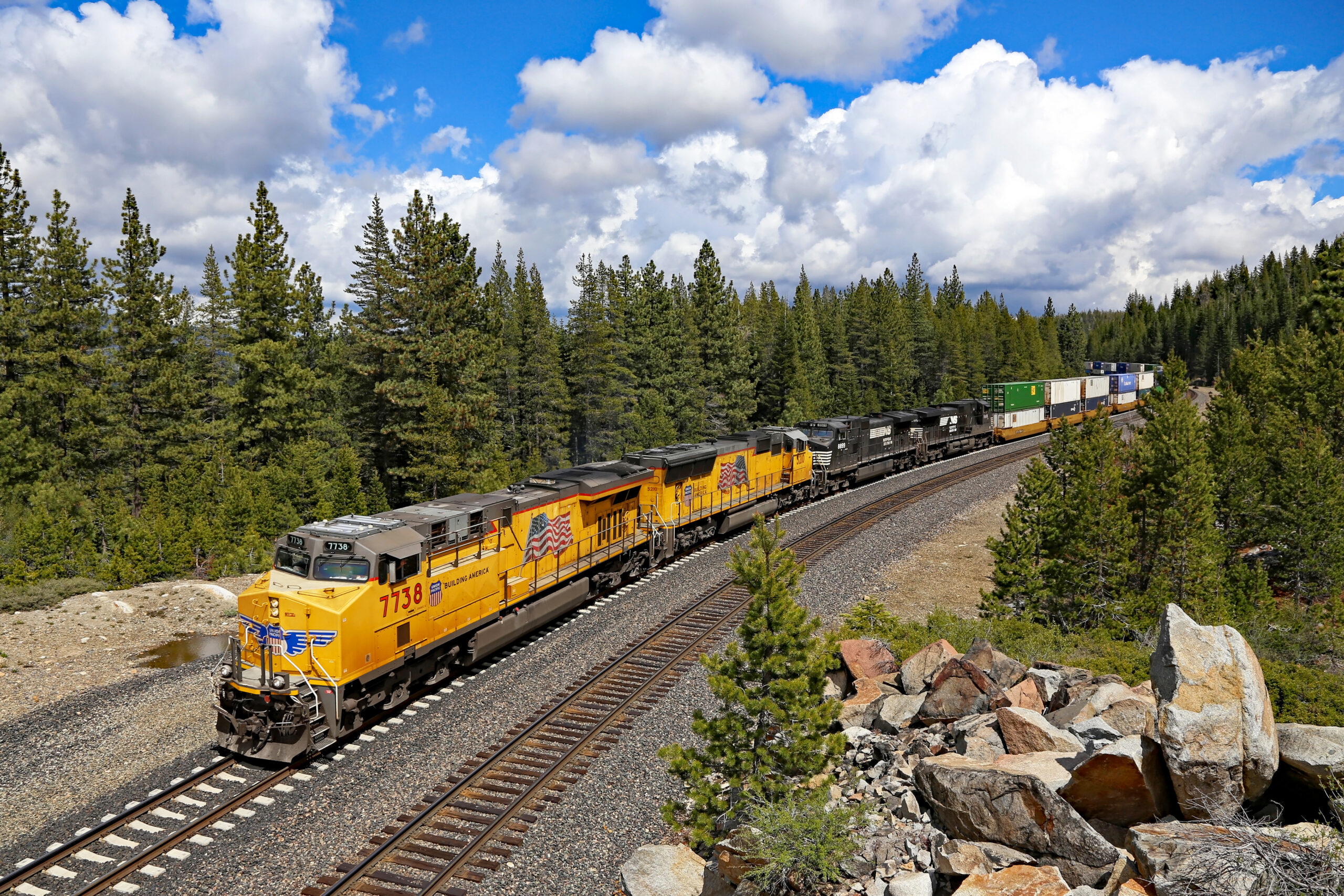
Our proposed merger will create America’s first transcontinental railroad, giving shippers a stronger rail option, improving network efficiency and increasing competitive pressure across the transportation marketplace, particularly with over-the-road trucking.
That is competition in action: giving customers a more reliable, easier-to-use rail alternative in a freight marketplace where trucking carries roughly 73% of U.S. freight.
More than 500 customers have formally supported the merger because they recognize the value of a seamless transcontinental network. Their support is joined by labor organizations, public officials and competition-policy experts who see the benefits of a stronger, more competitive freight transportation system.
While some competitors have objected, businesses that depend on freight rail every day have reached a different conclusion. That contrast reinforces an important point: those closest to the transportation marketplace see this transaction as an opportunity to expand competition and improve service.
The STB’s decision should be guided by what strengthens competition, serves the public interest and benefits customers, not by what preserves the status quo for competitors.
Please review Union Pacific’s cautionary note regarding forward-looking statements.