Competition Is About Better Service, Not Railroad Size
Key Takeaways:
- Competition is measured by the choices and outcomes customers receive. The Union Pacific-Norfolk Southern combination will create a stronger coast-to-coast freight option with faster service, fewer handoffs and greater accountability.
- A single-line transcontinental railroad will strengthen competition across freight transportation. Rail competes every day with trucking and other modes, and more efficient long-distance rail service will give customers another compelling option.
- Customers are backing a network designed to serve them better. Businesses across industries have voiced support for the combination and the expanded service, reliability and market access it will deliver.
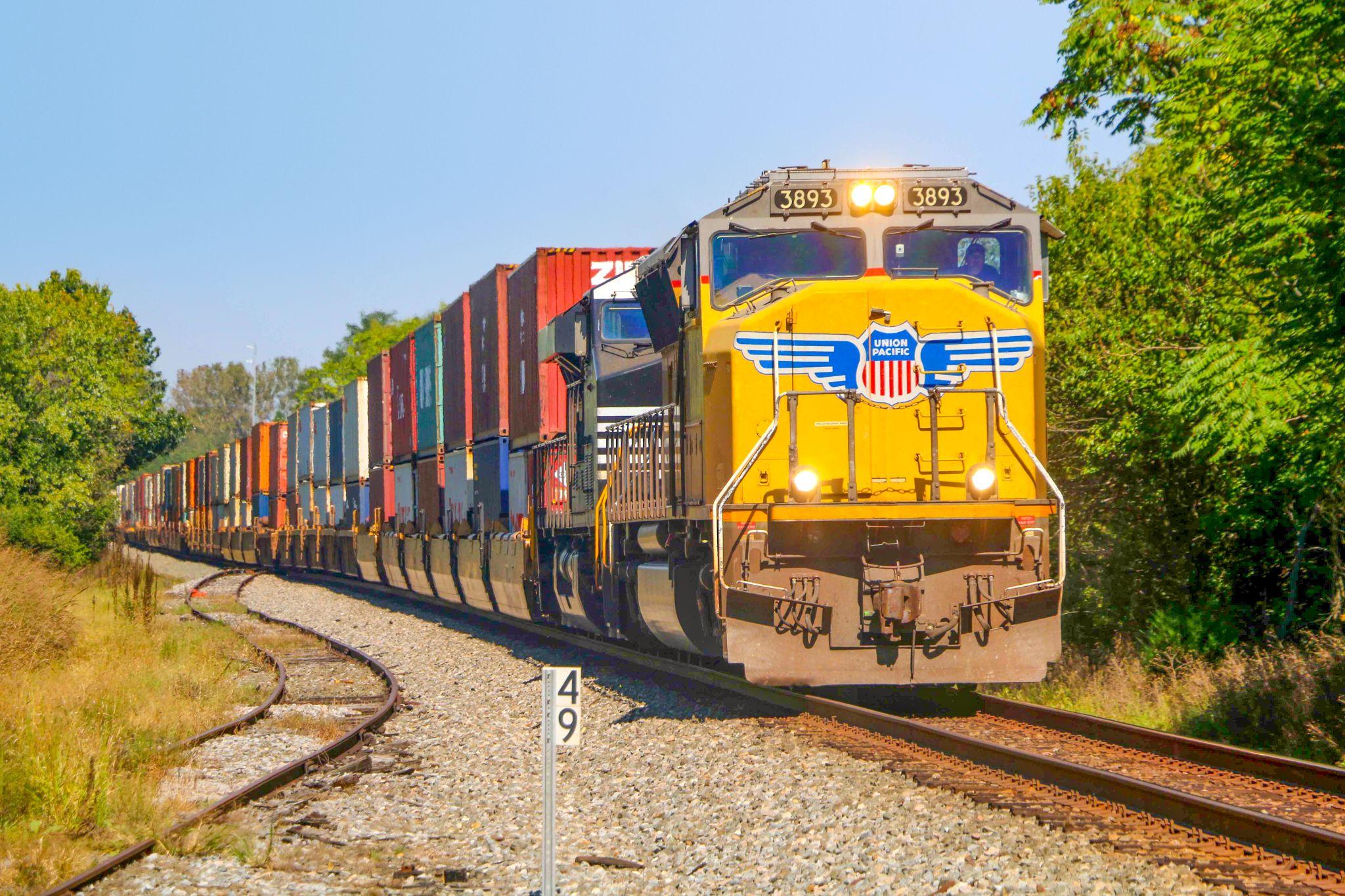
In a RealClearMarkets op-ed, Institute for Policy Innovation President Tom Giovanetti argues that competition policy should focus on customer outcomes rather than company size.
For freight customers, the most important measure of competition is straightforward: better service, better options and a transportation market that keeps pushing providers to improve.
Today, freight moving between eastern and western rail networks often changes hands at a mid-continent interchange. Those transfers add time and complexity to long-distance shipments. The Union Pacific-Norfolk Southern combination will replace thousands of those interline moves with single-line service across America’s first transcontinental railroad, creating a more direct connection between origin and destination.
For customers, that means fewer handoffs, clearer accountability and a simpler shipping experience. The combined network will transform 10,000 existing lanes from interline to single-line service and unlock competitive single-line service on more than 88,000 county-to-county lanes. Those improvements are at the center of the combination’s broader customer benefits.
Union Pacific and Norfolk Southern estimate that shifting more long-distance freight from truck to rail will save shippers approximately $3.5 billion annually. Just as important, a stronger single-line rail product will compete more effectively for freight that currently moves by highway.
That broader transportation market matters. Railroads compete for freight not only with other railroads but also with trucks, barges and pipelines. A more efficient transcontinental rail option raises the competitive bar by giving customers a simpler, more efficient option for long-distance shipping.
That is how competition produces benefits: one provider improves, others have to respond. Better service, sharper pricing and stronger transportation options follow.
Customer support reinforces that point. More than 500 customers have formally backed the transaction, along with multiple rail labor unions. Their support reflects the practical value of a network that will provide more direct routes, expanded market access and one accountable rail partner.
The Surface Transportation Board (STB) will evaluate the transaction under its public-interest and competition standards. The case for the combination rests on the customer outcomes at the center of that review: more shipping options, stronger rail competition and a more efficient national freight network. The broader case for a stronger American freight system begins there.
Please review Union Pacific’s cautionary note regarding forward-looking statements.