A Coast-to-Coast Railroad Will Strengthen American Freight
Key Takeaways:
- A single-line transcontinental railroad will connect American businesses to more markets. The Union Pacific and Norfolk Southern combination will unite complementary networks, creating more direct coast-to-coast freight routes and strengthening the nation's supply chain.
- Fewer handoffs will mean faster, more efficient freight service. A unified network will streamline shipping, reduce unnecessary interchanges and provide customers with a simpler way to move goods across the country.
- Modernizing freight rail will strengthen American competitiveness. Expanded rail service will give businesses more transportation options, improve access to domestic and international markets, and help rail compete more effectively with long-haul trucking.
In a Washington Examiner op-ed, former STB Chairman Charles Nottingham draws on America's railroad history to make the case for a modern, single-line transcontinental freight network.
President Abraham Lincoln had a vision for a transcontinental railroad that would unite America when he signed the Pacific Railway Act, creating Union Pacific in 1862. More than 160 years later, coast-to-coast freight shipments still rely on multiple railroads to complete their journeys.
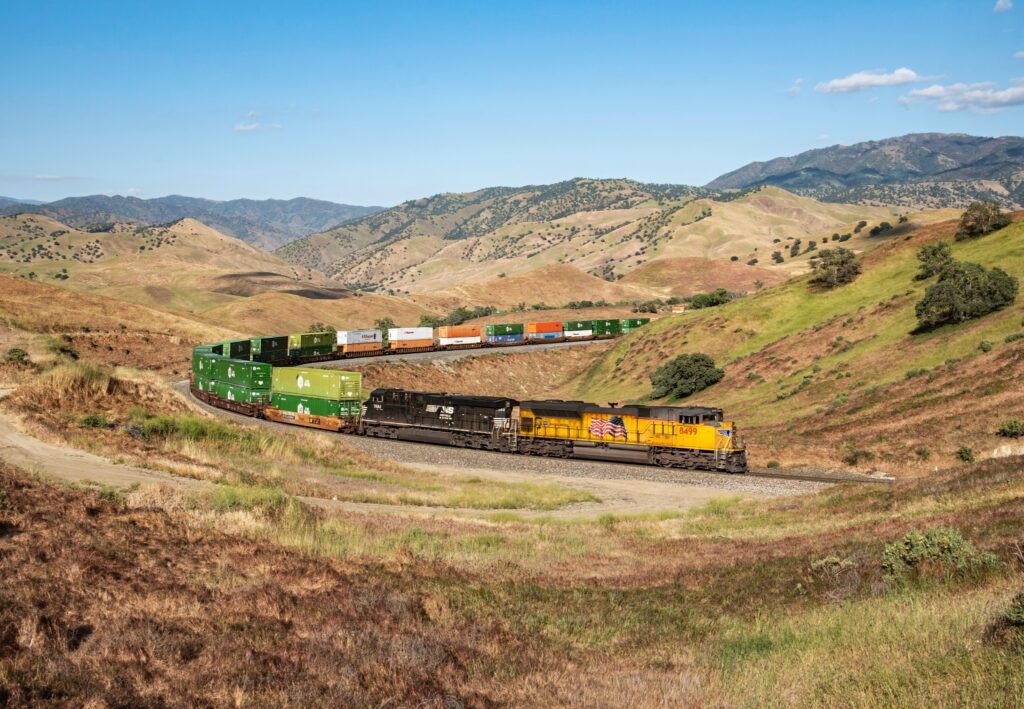
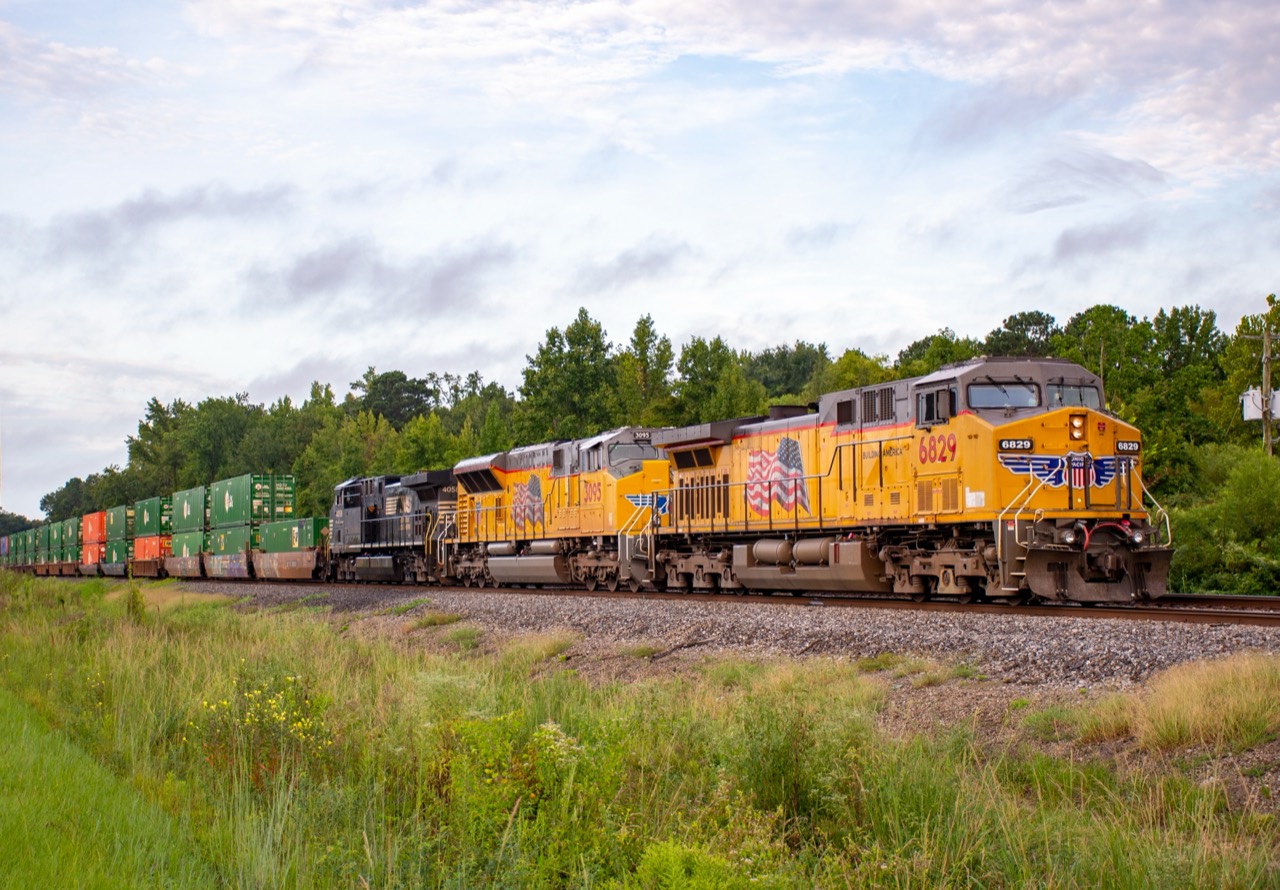
The Union Pacific and Norfolk Southern combination will build on that historic vision by creating America's first transcontinental railroad.
The two companies operate largely complementary networks, with Union Pacific serving the western United States and Norfolk Southern connecting markets throughout the East. Together, they will create a unified network spanning more than 50,000 route miles across 43 states and reaching more than 100 ports.
For American businesses, that connectivity means a more efficient way to move freight across the country.
Under the current system, shipments traveling between eastern and western markets often require transfers between railroads. These handoffs add operational complexity, create additional handling requirements and extend transit times. Each interchange also introduces another step in coordinating shipments between customers and carriers.
A single-line transcontinental network will simplify that process. With fewer interchanges, more direct routes and one accountable railroad, customers will benefit from more predictable service and a streamlined shipping experience.
The combination will transform approximately 10,000 existing shipping lanes from interline to single-line service. It will also create access to single-line rail service across 88,000 additional county-to-county lanes, opening new transportation opportunities for businesses and communities.
These improvements will extend beyond existing rail customers. Manufacturers will gain more efficient connections between suppliers and production facilities. Agricultural producers will have expanded access to domestic markets and ports. Businesses in areas historically underserved by rail will gain new opportunities to incorporate freight rail into their supply chains.
This expanded connectivity will also enhance competition throughout the broader freight transportation market.
Long-haul trucking currently provides coast-to-coast service without requiring shipments to change carriers. Creating a comparable single-line rail option will make freight rail more competitive, giving customers greater flexibility in how they move goods.
According to the companies' Surface Transportation Board application, the combination is projected to shift approximately 2.1 million truckloads from highways to rail annually, generating an estimated $3.5 billion in annual shipper savings.
The benefits also extend to America's transportation infrastructure. Moving more long-distance freight by rail will reduce highway congestion, lower emissions and lessen wear on public roadways.
These are among the benefits outlined in Union Pacific and Norfolk Southern's plans for enhancing competition and strengthening the national freight network. The combination also aligns with the companies' broader commitment to delivering benefits for America.
Connecting Union Pacific and Norfolk Southern will advance Lincoln’s legacy with a modern freight network designed to meet the needs of today's businesses and supply chains.
The combination will connect America's freight rail network from coast to coast, delivering stronger service, expanded market access and greater opportunities for economic growth.
Read the full Washington Examiner op-ed.
Please review Union Pacific’s cautionary note regarding forward-looking statements.