Association Positions Should Not Be Mistaken for Stakeholder Consensus
Key Takeaways:
- Association positions do not necessarily represent every member. A trade group’s official position reflects the organization, while individual businesses and workers may reach different conclusions based on their own interests and experience.
- Individual stakeholders are strengthening the public record. Thousands of businesses, shippers, workers and communities have put their support for the Union Pacific and Norfolk Southern combination directly on the record.
- The public record provides a broader view of stakeholder sentiment. Direct filings from shippers, businesses, labor groups and other stakeholders give regulators additional evidence to consider as they evaluate the combination.
An op-ed in RealClearPolicy from President of the Main Street Foundation Andrew Langer argues that association positions should not be mistaken for unanimous views among the members and industries they represent.
When an industry association takes a position on a major policy issue, the statement carries weight. But it does not necessarily tell the whole story about what individual association members think.
For the Union Pacific-Norfolk Southern combination, it’s an important distinction for the Surface Transportation Board (STB) to consider as it weighs public interest.
Andrew Langer, president of the Main Street Foundation, points to comments from Sen. Chuck Grassley of Iowa as an example. Grassley acknowledged the position taken by an agricultural organization to which he belongs while making clear that he had not reached the same conclusion himself. Langer argues that the exchange illustrates an important principle: an association’s position is one piece of evidence, not an automatic consensus among its members.
The regulatory record shows why that distinction is important.
More than 2,000 stakeholders have submitted letters supporting the combination. More than 500 of those letters come directly from shippers. Support spans businesses of different sizes and industries, along with farmers, agricultural cooperatives, short line railroads and rail labor organizations.
Those individual voices provide regulators with direct insight into how stakeholders expect America’s first single-line transcontinental railroad to affect their businesses and communities.
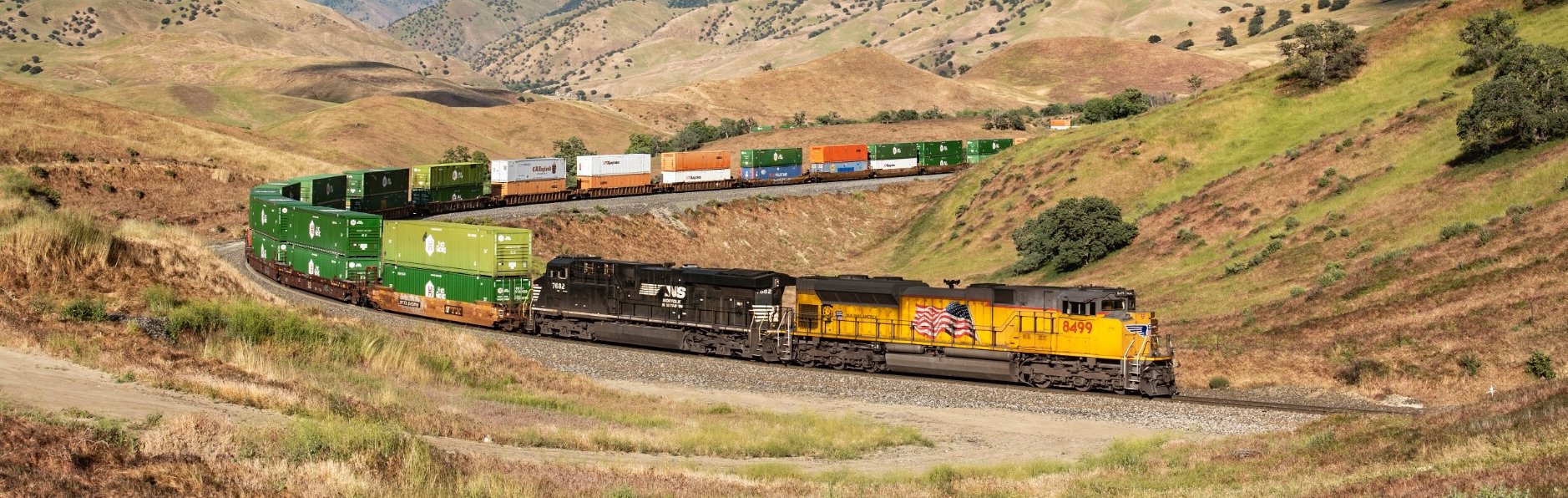
The combination will connect Union Pacific and Norfolk Southern into a 50,000-route-mile network spanning 43 states and approximately 100 ports. It will transform 10,000 existing interline lanes into single-line service and create 88,000 additional county-to-county lanes with access to single-line rail service.
The application also projects $3.5 billion in annual shipper savings and the conversion of approximately 2.1 million truckloads from highways to rail each year. These benefits are just some of the reasons individual stakeholders have chosen to support the combination.
Associations do have a legitimate role in the process. They provide expertise, organize stakeholders and advocate for their members. But an association’s position is not equivalent to a headcount of everyone it represents.
For regulators evaluating the public interest, the voices of individual customers, workers and communities add important context to the broader debate. The record allows those stakeholders to speak directly about the service, competition and economic benefits they expect from a more connected national rail network.
Read the full RealClearPolicy op-ed.