Every Day Matters: Midwest Protein Producers Will Get a Fast Track to East Coast Ports
Key Takeaways:
- A single-line network will accelerate access to export markets. By eliminating interchange handoffs between railroads, the combined network will reduce transit times by three to four days for refrigerated shipments moving from Midwest protein producers to East Coast ports, helping customers reach global markets faster.
- Fewer handoffs will improve reliability and visibility. A seamless network will create greater end-to-end accountability for temperature-sensitive shipments, enabling more consistent service, improved shipment visibility and faster response when issues arise.
- Supply chain partners will benefit from greater predictability. More reliable transit schedules will help cold-storage facilities, export terminals and ocean carriers better manage inventory, labor, warehouse capacity and vessel schedules, improving efficiency across the export supply chain.
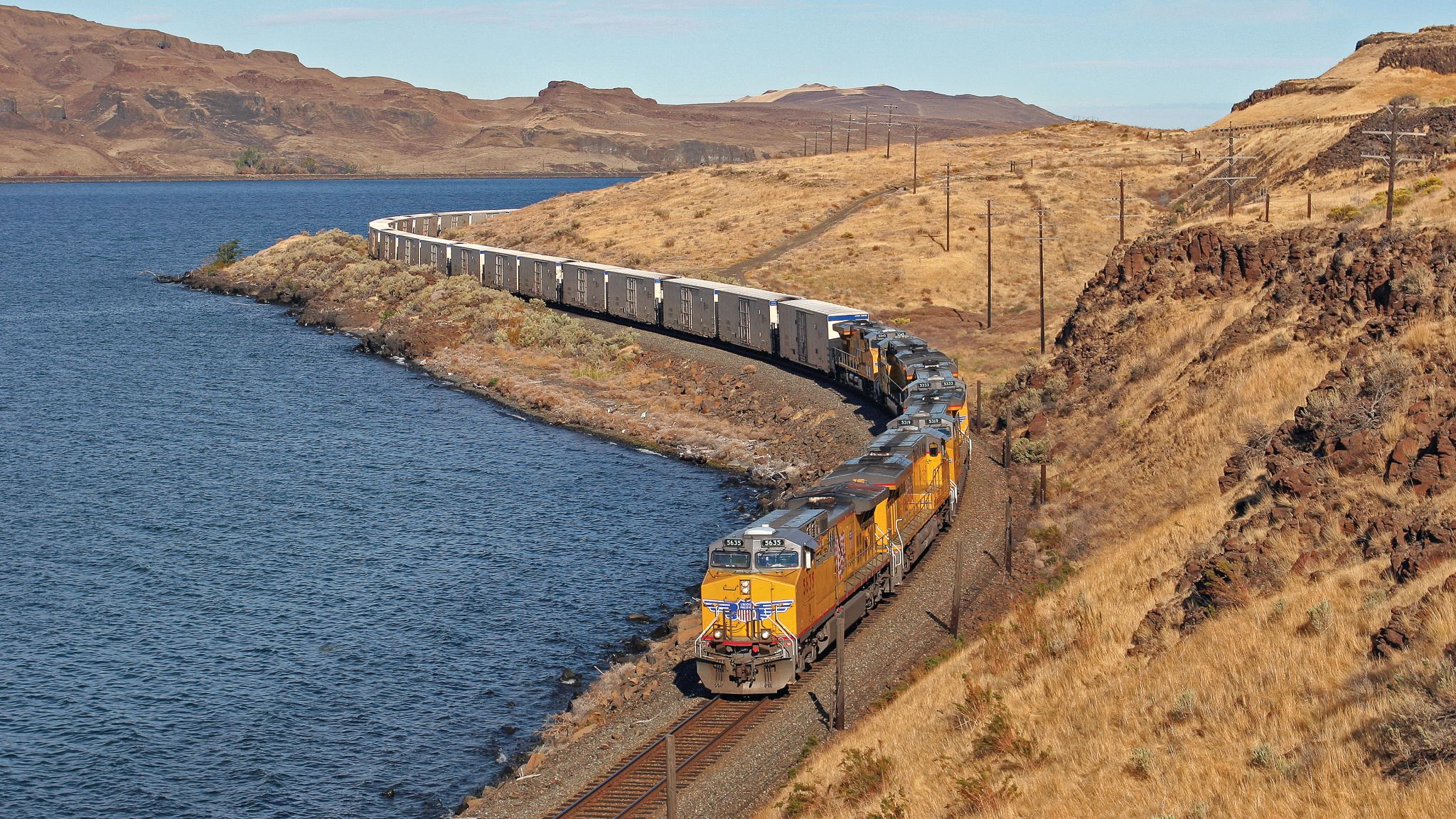
In the heartland of America are some of the nation’s largest meatpacking and processing plants. Today, many Midwest protein producers must rely on two or more railroads to reach East Coast markets and export ports, creating extra handoffs, added coordination and more complex billing.
A combined Union Pacific and Norfolk Southern network will provide a more seamless connection from the Midwest to the East Coast, reducing transit times by three to four days for refrigerated rail cars carrying products such as chicken and beef to gateways including the Port of Savannah and, ultimately, markets in Europe and Asia.
“For protein producers, every day their product is in transit matters,” said Union Pacific’s Joe Smith, manager-Food and Beverage, Marketing and Sales. “A more direct connection to East Coast export markets will help customers move products faster, manage inventory more effectively and better serve consumers around the world.”
Fewer Handoffs, Greater Reliability
The benefits go beyond speed.
Refrigerated rail cars require continuous temperature monitoring to protect the quality of perishable protein shipments. Under today’s multi-railroad model, shipments moving across separate networks require coordination between carriers when a refrigerated boxcar or its load needs attention.
A combined network will create greater end-to-end accountability, improving shipment visibility and enabling faster response when issues arise.
“Customers want transportation solutions that are reliable and predictable,” Smith said. “Reducing handoffs will help provide a more consistent experience and give customers greater confidence in their supply chain.”
That increased consistency also benefits cold-storage facilities, export terminals and ocean carriers. More predictable arrival times can help facilities better manage inventory, warehouse capacity and vessel schedules, reducing storage time and improving overall supply chain efficiency.
Near the Port of Savannah, rail-served cold storage facilities receive refrigerated rail cars, store and freeze product, and prepare it for export. A more predictable rail schedule helps those facilities plan dock space, labor and container loading.
Connecting Midwest Production to Global Markets
Strong international demand for U.S. protein continues to create export growth opportunities, moving more meat and poultry from production regions to East Coast ports and on to overseas markets. A single network linking the Midwest to the East Coast will help producers keep up with that demand.
“That's what a single-line transcontinental railroad can do for customers," Smith said. "One railroad from the plant to the port means a simpler supply chain and a faster path to markets around the world.”
Please review Union Pacific’s cautionary note regarding forward-looking statements.