Get The Facts: More Freight. More Opportunity. More Jobs.
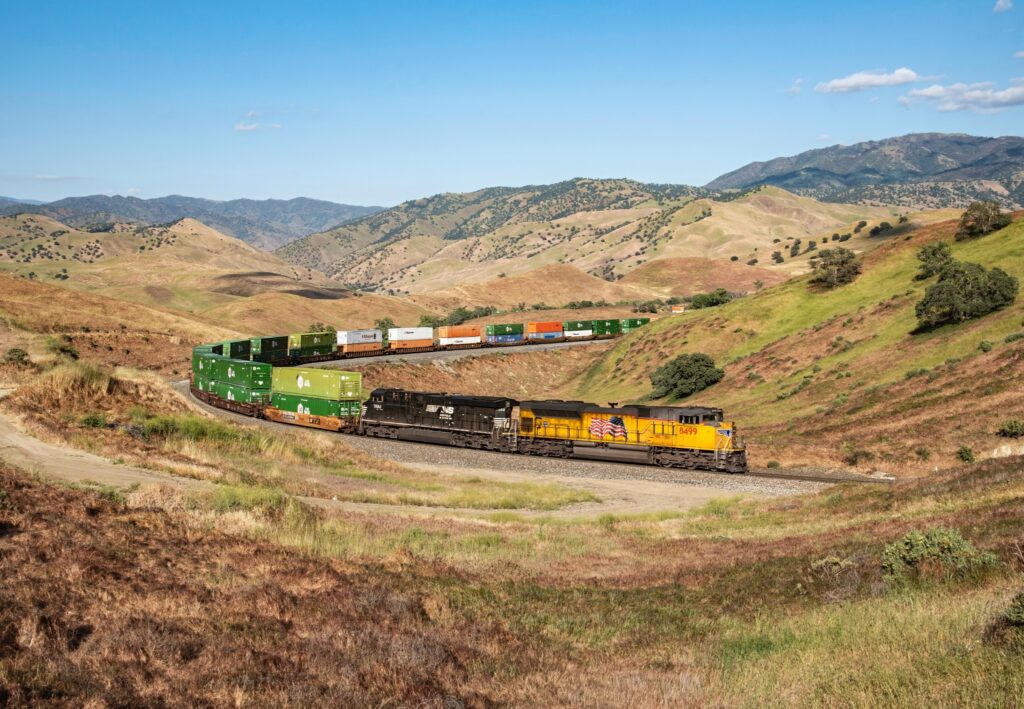
A single-line transcontinental railroad can move freight faster, reduce handoffs and help rail compete more effectively with trucks, creating new opportunities for growth.
Future workforce needs will be driven by freight demand, available capacity and the opportunities created by a more connected railroad.
The Bigger Picture
Historical workforce data tells only part of the story. Future workforce needs depend on:
- New freight moving from truck to rail.
- Expanded service opportunities enabled by a connected railroad.
- Capacity and infrastructure investments that support growth.
- A jobs-for-life commitment for current union employees.
More Freight Creates Opportunity
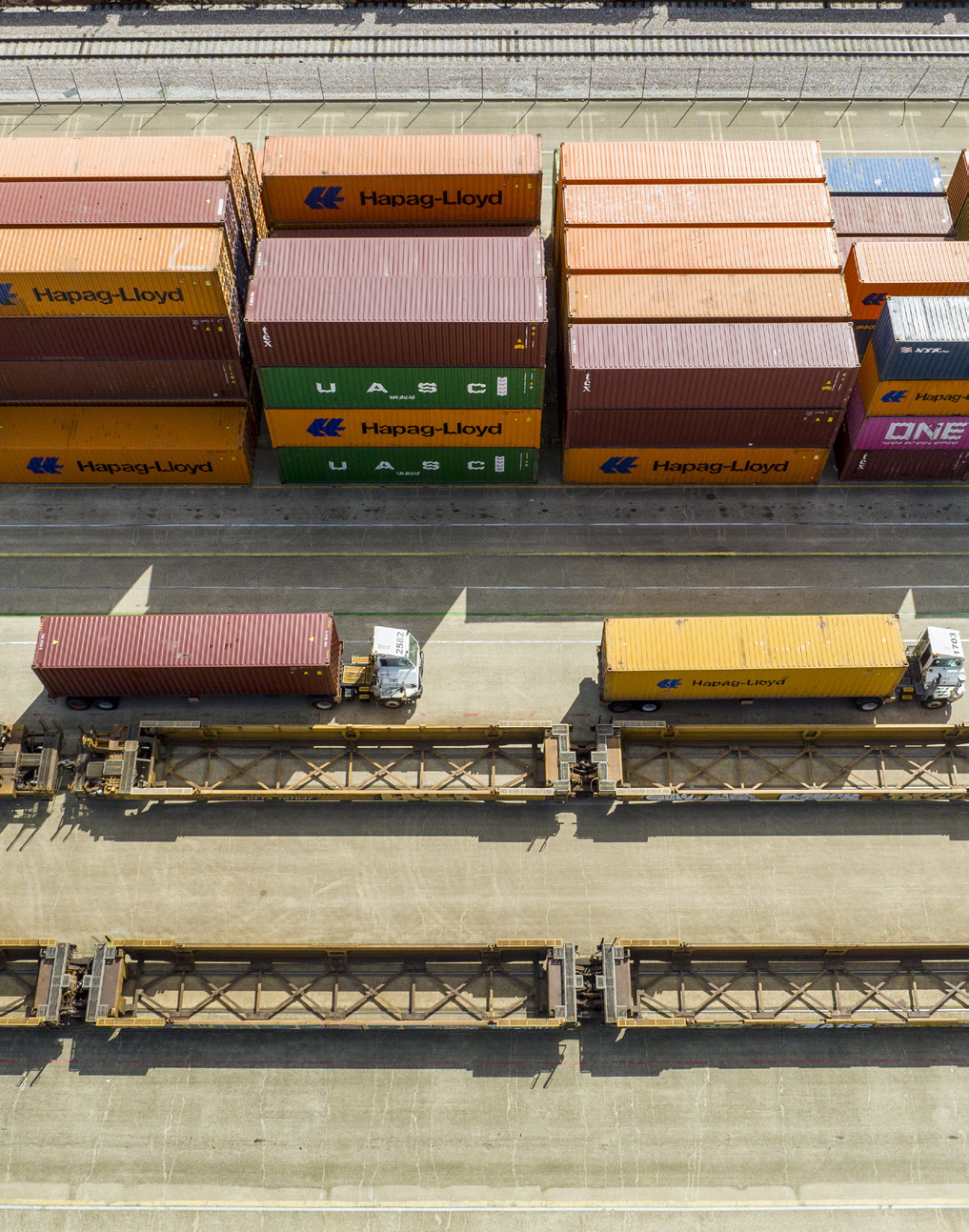
The Union Pacific-Norfolk Southern combination is designed to win freight that moves by truck today and create new opportunities for rail service.
Bottom line: More freight moving by rail requires more railroaders.
Jobs-for-Life Means Stability
Every union employee who has a job when the merger is approved will continue to have one through the Jobs for Life commitment.
The commitment is backed by the support of 8 unions.
- SMART-TD
- ATDA
- BRC
- IBB
- IW
- NCFO
- USCA
- SMART-MD
Bottom line: The combination creates opportunity while providing stability for current employees.
Investing in the Next Generation of Railroaders
Union Pacific continues to invest in its workforce, with TE&Y hiring through August 2026 up 15% compared to the same period last year.
Growth Requires a Modern Railroad
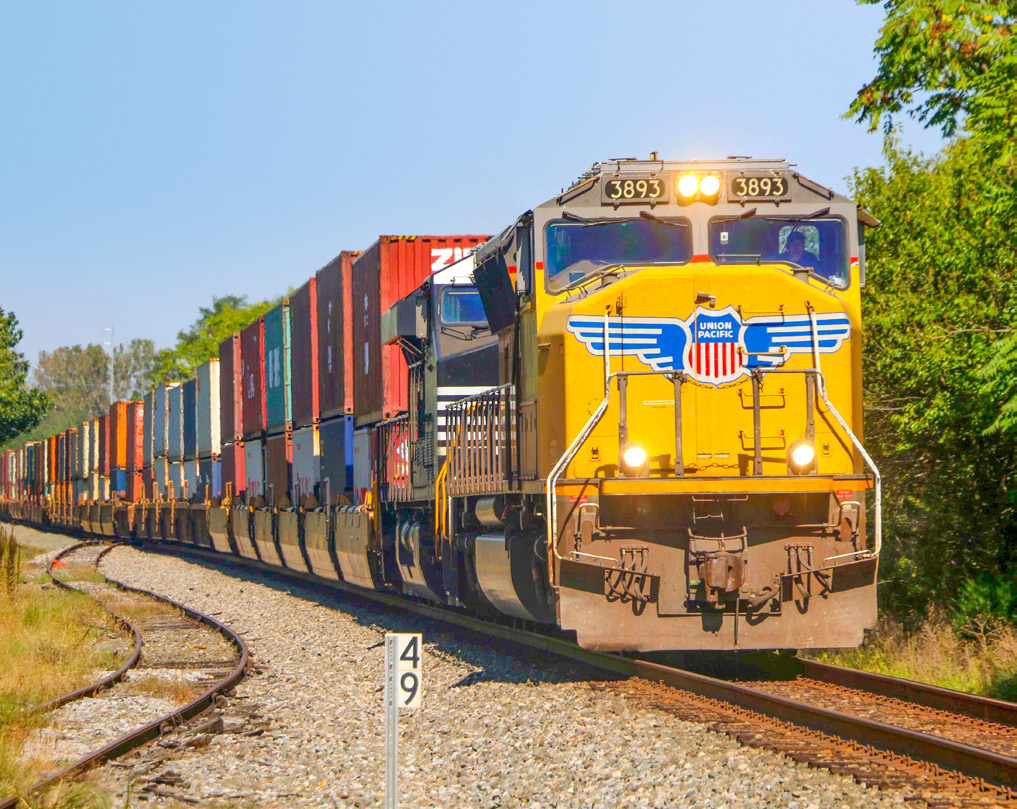
Sustained investment, better planning and modern tools have modernized railroad operations, helping employees identify potential issues sooner while supporting reliable service and future growth.
In 2025, the freight rail industry achieved its safest year on record, with both Union Pacific and Norfolk Southern delivering their strongest safety performance to date.
- Automated Track Inspection technology helps detect defects earlier and target maintenance where it’s needed most, contributing to zero track-caused derailments across participating territories.
- Continued investment in rail, ties, ballast and drainage programs has improved reliability and reduced recurring maintenance needs.
- Track geometry vehicles scan more than 500,000 track miles annually, complementing 4.5 million miles of visual track inspections.
- Wayside detectors generate 16 million data points daily through 7,000 devices monitoring equipment conditions in real time.
- Digital tools reduce manual work, allowing employees to focus more time on inspection and maintenance.
Bottom line: Better tools, planning and investment help railroaders identify potential issues sooner, improve safety and reduce unnecessary work.
Safety Investments Deliver Results
REDUCTION in FRA-reportable derailments since 2019.
Source: Federal Railroad Administration Rail Safety Overview Report
Capacity and Investment Support Growth
Growth depends on more than demand. The combined network will maintain available capacity and invest to safely and reliably support future growth.
- Capacity created through operational improvements and a more efficient network.
- $2 billion in incremental capital investment.
- Continued annual capital investments to support safety, service and future volume growth.
Bottom line: The network has the capacity, resources and investment needed to support future demand.