A More Connected Rail Network Will Strengthen Houston’s Freight Economy
● An interconnected rail network will strengthen Houston’s position as a freight hub. The Union Pacific-Norfolk Southern combination will provide more direct single-line service between Texas and markets across the eastern United States.
● More competitive rail service will give businesses another option for long-distance freight. Fewer interchanges and more direct routes will improve connectivity while making rail a stronger alternative to long-haul trucking.
● Rail growth will benefit transportation infrastructure beyond the tracks. Moving more long-distance freight by rail will help reduce highway congestion and wear while supporting more efficient movement through ports and major freight corridors.
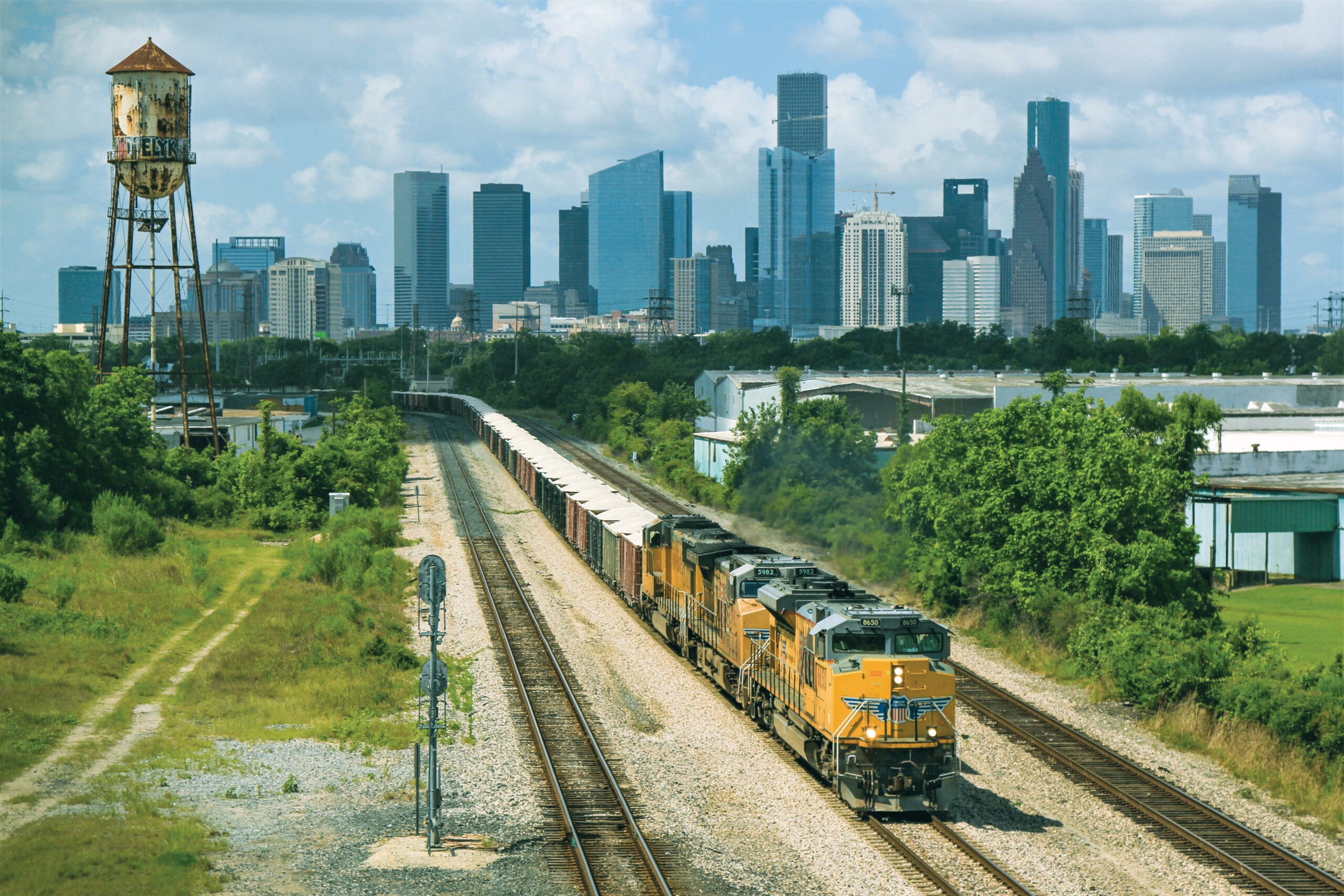
In a Houston Business Journal op-ed, North Houston Association President Marlisa Briggs explains why a more connected freight rail network matters for Houston, Texas, and the national supply chain.
Billions of tons of freight move through Houston every year. Ports, highways, rail lines and distribution infrastructure connect Texas businesses with customers across the country and around the world. Keeping that system competitive requires transportation options that move freight efficiently.
Rail is an essential part of that equation.
The Union Pacific-Norfolk Southern combination will connect complementary eastern and western rail networks and create America’s first single-line transcontinental railroad. For Houston-area businesses, that means more direct access to markets across the country without many of the railroad-to-railroad handoffs that add time and complexity to long-distance shipments.
With fewer interchanges and more direct routes, the combined network will strengthen Houston’s connections to domestic markets while improving access between Gulf Coast ports and destinations across the eastern United States. Customers will gain a more seamless rail option for moving goods over long distances, supported by one network and a more unified service experience.
That connectivity will strengthen port connectivity, lower shipping costs and enhance supply chain resilience.
A stronger rail option will also create benefits outside the rail network. Long-haul freight that shifts from highways to rail means fewer trucks competing for space on heavily traveled roads and less wear on public infrastructure. The combination is expected to remove ~2.1 million truckloads from U.S. highways annually, supporting a more efficient national transportation system.
Houston also understands that freight infrastructure and communities share the same space. Local questions about crossings, noise and environmental impacts deserve inquiry and continued community engagement. Those conversations complement ongoing investments in grade separations and other transportation improvements that address long-standing mobility challenges across the region.
That approach aligns with Union Pacific’s commitment to rail safety and community investment as the network grows.
Houston’s strength has always depended on connections — between ports and producers, businesses and markets, Texas and the broader economy. Connecting Union Pacific and Norfolk Southern will give those freight flows a more direct path across the country and provide businesses with a stronger rail option built for the scale of American commerce.
Read the full op-ed in the Houston Business Journal.