Latest News & Perspectives
See the latest official news, updates and perspectives on The Great Connection and the proposed Union Pacific–Norfolk Southern combination.


More Routes. More Access. More Competition.
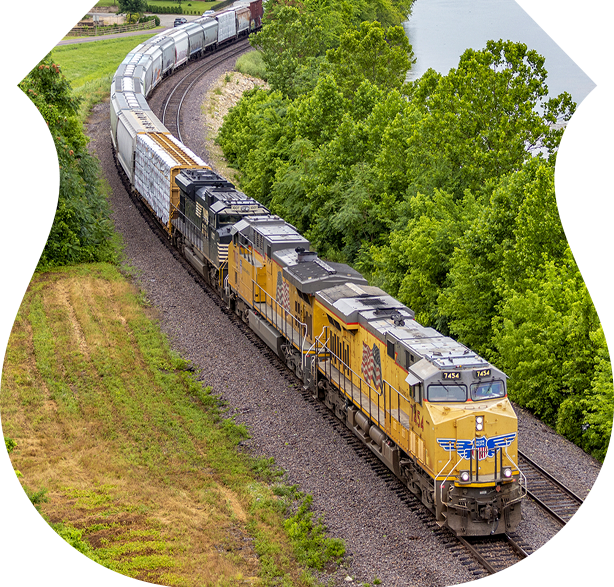
The Union Pacific and Norfolk Southern merger will be an end-to-end combination with virtually no route overlap. Because of their distinct geographic service areas, the two railroads do not compete today – and regional competition would be preserved.
The vision for the combined company is all about growth through new routes and better service for customers. By linking Union Pacific’s expansive Western network with Norfolk Southern’s unmatched access to Eastern population and manufacturing hubs, freight can bypass congested interchanges and move along the most direct, efficient paths. Seamless coast-to-coast service will raise performance standards across the industry, spur innovation and create new shipping options— putting downward pressure on costs for businesses nationwide.
Independent economists who testified to the STB found the combination procompetitive, expanding access, improving service and creating downward pricing pressure for shippers. Committed Gateway Pricing protects access at every major interchange even where the combination doesn’t directly apply.
Unifying the Continent
The combined network will span 50,000 route miles across 43 states, connecting more than 100 ports and 10 international gateways to markets in Canada and Mexico. Six connection points will link the two complementary systems with minimal overlap — creating a transcontinental route that bridges the East-West divide and allows freight to bypass congested interchanges for the fastest, most direct path available.
For the first time, American businesses will gain a single rail partner for coast-to-coast shipments — with the reach and flexibility to compete for global freight through U.S. ports and infrastructure, rather than ceding that volume to Canadian rail corridors.

Hear about our tomorrow
.svg)
.jpg)
The Impact
The Union Pacific-Norfolk Southern combination will deliver measurable benefits across the supply chain, the workforce, the environment and the national economy —as outlined in the STB application and supported by independent economic analysis.


