Better Shipping Options. Lower Costs. Stronger Communities.
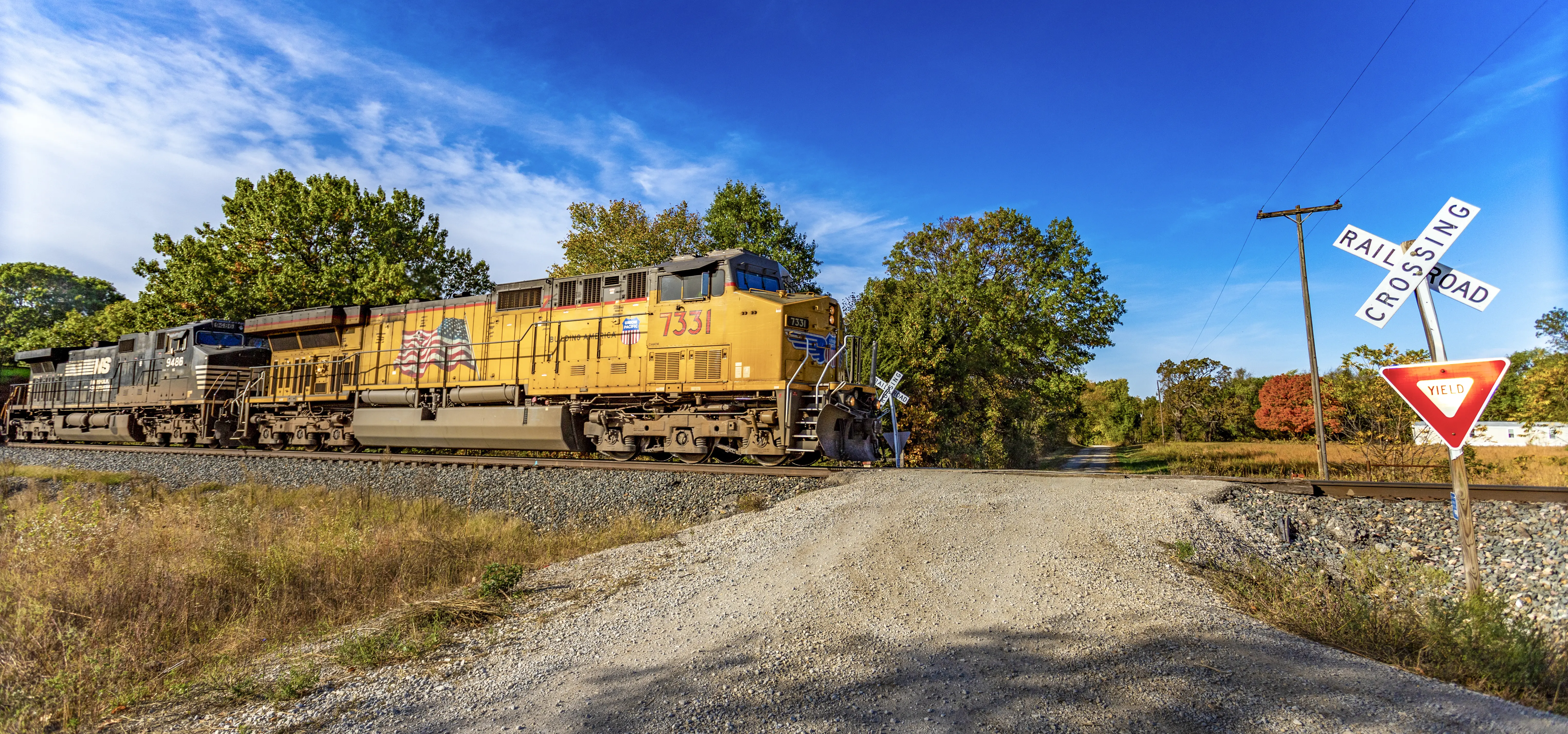
When goods move faster and more predictably, businesses spend less on transportation. When costs go down, prices are more competitive. When shipping options expand, more communities can participate in the economy and grow jobs. Reduced costs for shippers flows down to consumers who can purchase more affordable goods. A more competitive rail network will create those outcomes.
Lower Costs, Lower Prices
More Reliable Store Shelves
Less Congestion, Safer Roads
Cleaner Air, Healthier Communities
Stronger, More Resilient Supply Chains
More Competition, Better Outcomes
“For small businesses, speed and dependability are everything. The merger promises faster, more consistent rail service, reducedcongestionand a broader market reach—improvements that would ripple across the entire logistics ecosystem. When trains run on time, reduced congestion, andgo down. When congestion eases, goods move more efficiently. And when businesses can reach more markets, they can grow.”
— Mary Jo Kukowski
Small business owner
Addressing Tough Questions About Cost, Competition and Community Impact
Economic analysis using actual traffic data confirms the combined railroad’s faster, more reliable service will save rail shippers on inventory and equipment costs by removing interchange handoffs that can add 24-48 hours.
The data also confirms the merger will make rail significantly more competitive with long-haul trucking, taking approximately 2.1 million truckloads off the road. Shifting that freight from higher-cost trucks to lower-cost rail is projected to save shippers an estimated $3.5 billion annually – savings expected to flow through to consumer prices, making goods more affordable to the American public.
Others ask whether shifting freight to rail simply moves congestion from highways to rail hubs. In practice, reducing truck transfers between railroads decreases overall congestion in key cities and improves flow across the system.
FAQ About Supply Chain Efficiency Benefits
Lower transportation costs and increased competition will support more competitive pricing across supply chains over time.
Rail moves large volumes of freight more efficiently. One intermodal train can remove as many as 550 trucks from the road, reducing traffic on highways and in cities.
More direct rail connections will create new access to national markets, improving shipping options for underserved areas.
No. Expanded routing options will benefit businesses of all sizes, including small and mid-sized companies that rely on reliable shipping.
Rail produces significantly fewer emissions than trucking, reducing environmental impact across freight corridors.
The math is simple and straightforward. Respected industry experts at Oliver Wyman estimate that 2.1 million long-haul truckloads will convert from road to rail, representing 3.6 billion annual truck-miles. They multiplied those truck-miles by the estimated lower cost of shipping by rail versus truck to get an estimate of $3.5 billion in annual savings.
That concern makes sense in mergers that eliminate head-to-head competition. This is a classic end-to-end combination with minimal overlap. We’re not removing parallel routes; we’re eliminating handoffs. The cost savings come from efficiency gains, not pricing power.
Rates will remain competitive for two reasons. First, gateways remain open, so you still have competitive options where networks connect. Second, your alternative isn’t just another railroad, it’s trucking. If we don’t stay competitive on price and service, traffic shifts. That competitive dynamic doesn’t go away.
Make Your Voice Heard
Explore More
