Speeding Up America’s Freight
● Fewer handoffs speed up freight. The Union Pacific-Norfolk Southern combination will eliminate thousands of interchange-related transfers, creating more direct routes and cutting transit times by one to two days on many lanes.
● A stronger rail network means fewer trucks on highways. Faster, more reliable coast-to-coast service will help shift long-haul freight from trucks to rail, reducing congestion, emissions and roadway wear.
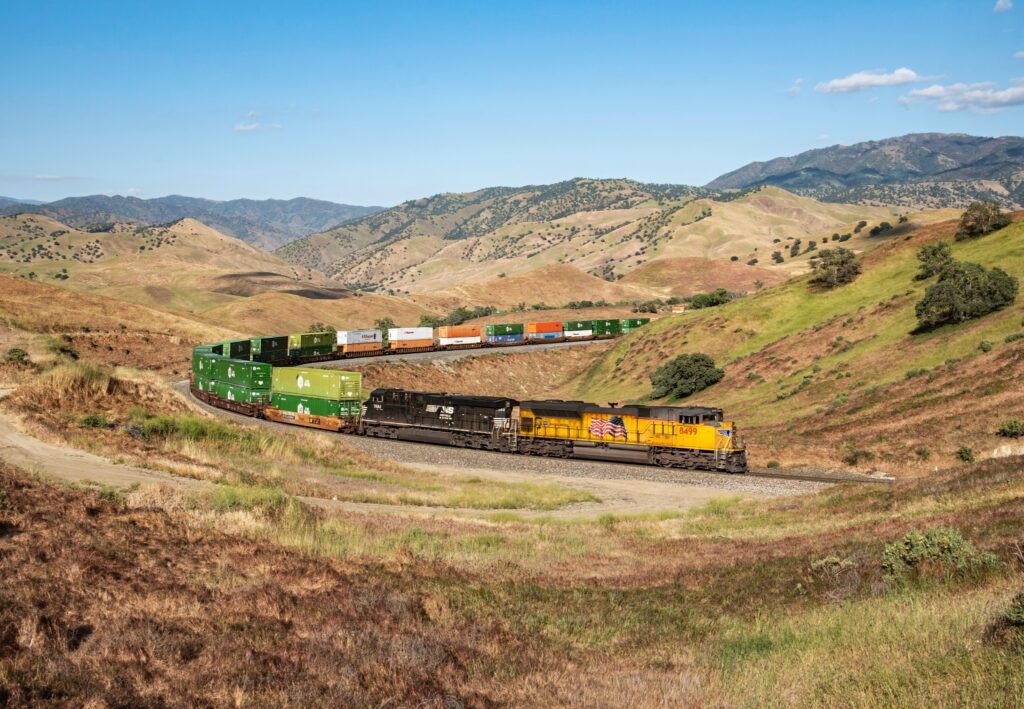
The Union Pacific-Norfolk Southern combination will make it easier to move freight across America — helping customers get goods faster and easing pressure on the nation’s highways.
Today, shipments moving between eastern and western markets are often handed off between railroads, adding time and complexity. A transcontinental railroad will remove thousands of those handoffs and create a more direct path from origin to destination.
The combination is expected to remove an estimated 2,550 daily rail car and container handlings and eliminate about 65,000 car miles each day — helping reduce transit times by one to two days on many routes.
For customers, that means faster, more predictable service. For the broader transportation network, it means a stronger rail option that can move more freight off highways. The transcontinental railroad is projected to take approximately 2.1 million truckloads off the road each year.
Bottom line: faster freight, less highway congestion, lower emissions and a more efficient way to move goods across the country.