A Coast-to-Coast Railroad Strengthens America’s Trade Network
An opinion article in the Daily Caller examines how Canada’s investments in trade infrastructure are helping route freight around American markets and why the United States’ freight network matters in the competition for global trade.
Canada is making significant investments to strengthen its position in North American and global trade. Those investments underscore the importance of ensuring United States freight infrastructure is prepared to compete.
The Canadian government is investing billions of dollars in ports, railroads and highways as part of an effort to expand trade beyond the U.S. That includes investments at Prince Rupert in British Columbia and Vancouver’s Roberts Bank Terminal 2, which is expected to expand Canadian West Coast container capacity by more than 30%.
Rail is a central part of that strategy. Canada already has access to a single-line railroad connecting Canada and Mexico through the U.S. That network gives shippers a direct north-south rail route and connects Canadian and Mexican gateways while the U.S. still lacks an equivalent single-line railroad connecting its own East and West coasts.
The Union Pacific-Norfolk Southern combination will change that.
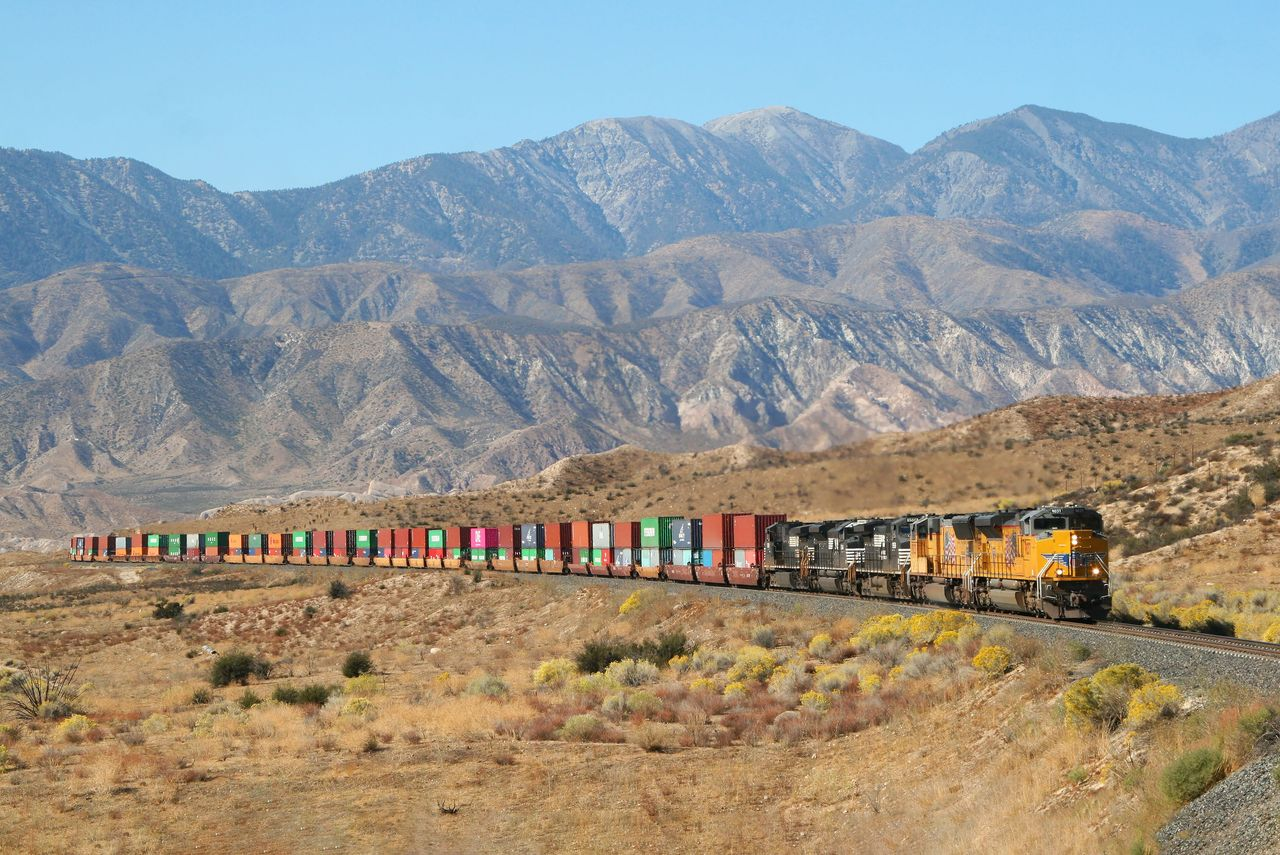
The combined railroad will create the first U.S. coast-to-coast rail network, spanning approximately 50,000 route miles across 43 states and connecting more than 100 ports. The network will link the West Coast, Gulf Coast, Midwest and East Coast through a single railroad, strengthening the infrastructure American businesses rely on to reach customers and compete in global markets.
Today, freight moving across the country must change railroads along the way. Those interchanges add handling, time and complexity to shipments. A single-line transcontinental network will eliminate unnecessary interchange points on thousands of routes, creating more direct connections between American producers, consumers and ports.
That matters as competition for freight increasingly extends beyond individual railroads. Ports, highways and rail networks across North America compete to attract the same goods and investment. Every container routed through a Canadian or Mexican gateway instead of a U.S. gateway represents freight business an American port did not capture.
There is an additional notable contrast in the North American freight market: Canadian rail interests have benefited from building a single-line network spanning three countries while opposing the creation of a U.S. coast-to-coast network. An American transcontinental railroad will introduce another option into a freight market where Canadian rail already offers direct north-south service.
The larger issue extends beyond any individual railroad. The infrastructure that moves freight helps determine which ports handle international cargo, which routes attract investment and how efficiently domestic businesses reach markets.
Canada has invested in a rail network designed to compete for that freight. The Union Pacific-Norfolk Southern combination will give the U.S. a coast-to-coast rail network built to compete for it, too.
Please review Union Pacific’s cautionary note regarding forward-looking statements.