Freight Customers Will Always Have Competitive Options
Key Takeaways:
- Transloading keeps competitive options open for customers. Even when a facility is directly served by a single railroad, transloading can connect customers to competing carriers, helping preserve leverage on pricing and service.
- A transcontinental network will make rail a stronger alternative to long-haul trucking. Eliminating the handoff between eastern and western railroads will give transload facilities access to a more seamless network spanning 43 states and more than 100 ports.
- Customers are looking for lower costs, greater reliability and more freight options. Tighter long-haul truck capacity creates an opportunity for the Union Pacific-Norfolk Southern combination to give shippers a more competitive rail option.
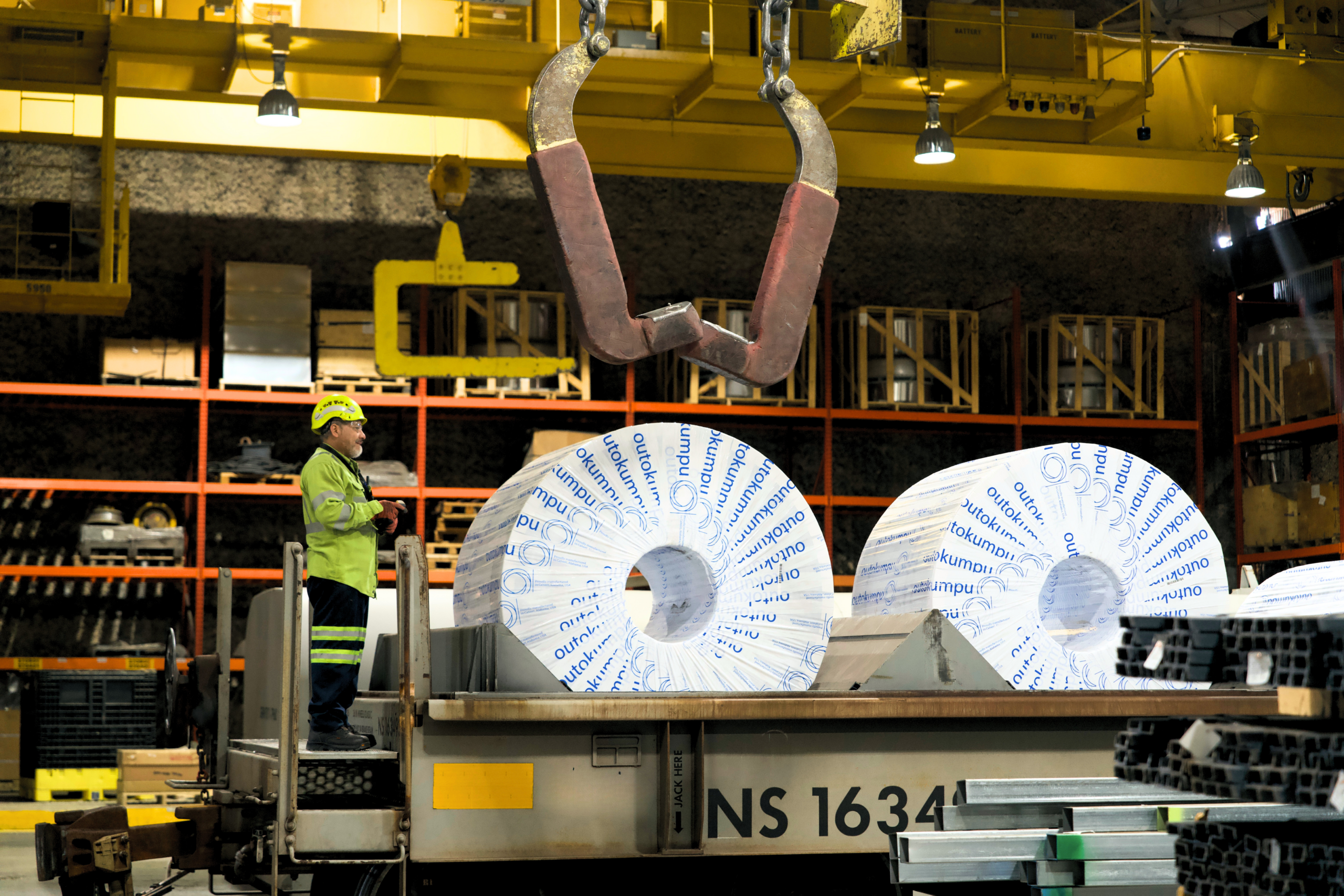
I run a transload company headquartered on the South Side of Chicago. For 40 years, we’ve shown customers that rail can be a cost-effective alternative to trucking even if their facilities aren’t located on or near a rail line. Over that time, we’ve converted millions of tons of truck freight to rail and taken hundreds of thousands of trucks off the highways.
So when Union Pacific and Norfolk Southern say their merger will make rail more competitive with long-haul trucking and take ~2.1 million truckloads off the road every year, I know that opportunity isn’t theoretical. A lot of freight moves by truck today that should be on a train. I tell people that unless they like 18-wheelers on the road during rush hour, they should be in favor of the merger.
Eliminating the costly, time-consuming handoff between eastern and western railroads will make a big difference in the service we can offer our customers. A transcontinental railroad means transloading facilities like mine will be able to connect customers to a seamless rail network that reaches 43 states and more than 100 ports.
Opponents say the merger will allow Union Pacific to raise rates because it will reduce competitive options for customers. That argument doesn’t hold up in the real world. Anyone reading a map can see Union Pacific and Norfolk Southern serve different parts of the country with virtually no overlap.
But here’s what gets missed. Even though there will still be two rail carriers in the east and west, customers will continue to have competitive options. Transloading is almost always an option. If a customer is moving freight more than 300 miles, it’s usually cheaper to ship by rail with a truck leg on either end than to haul by truck the whole way.
We created a transloading option for a steel mill served directly by a single Class I railroad. We’ve moved more than a million tons of steel for them, and there’s another reason they like us. When it’s time to renegotiate their rail contract, they have leverage because we give them access to a competing railroad.
Transloading businesses like mine put pressure on rail prices and service. We provide great service, we hustle, and we offer added value like warehousing and inventory management. Whenever rail service levels decline or prices rise too high, that creates opportunity for us. We like to compete, and we’ve been winning business in situations like that for decades.
My customers tell me long-haul truck capacity is tight and getting tighter. The merger of Union Pacific and Norfolk Southern gives them exactly what they’re asking for right now: lower costs, more reliability, and a real alternative to the trucking market. We’ll be there to help.
Please review Union Pacific’s cautionary note regarding forward-looking statements.