Fewer Handoffs, Faster Freight
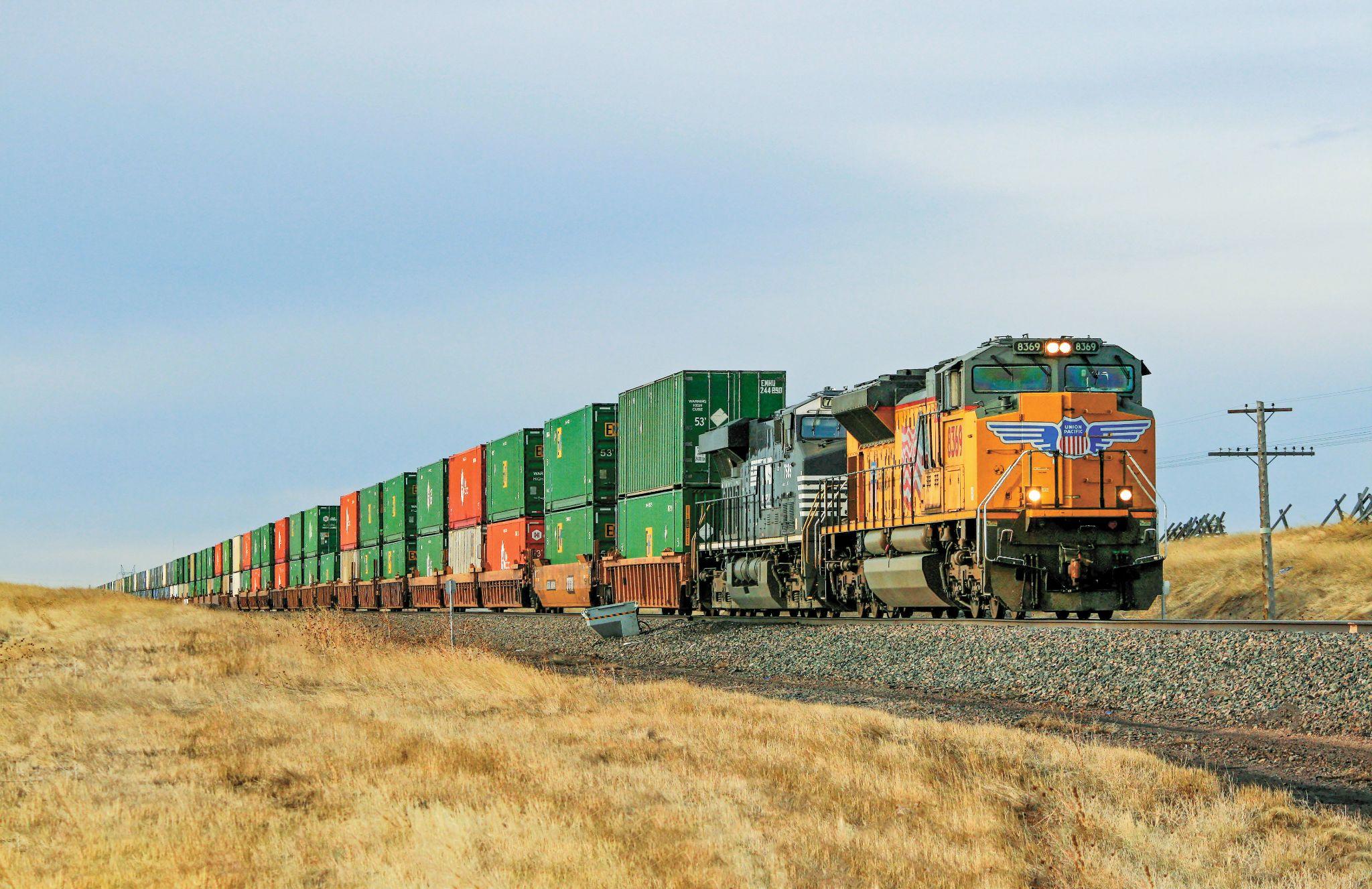
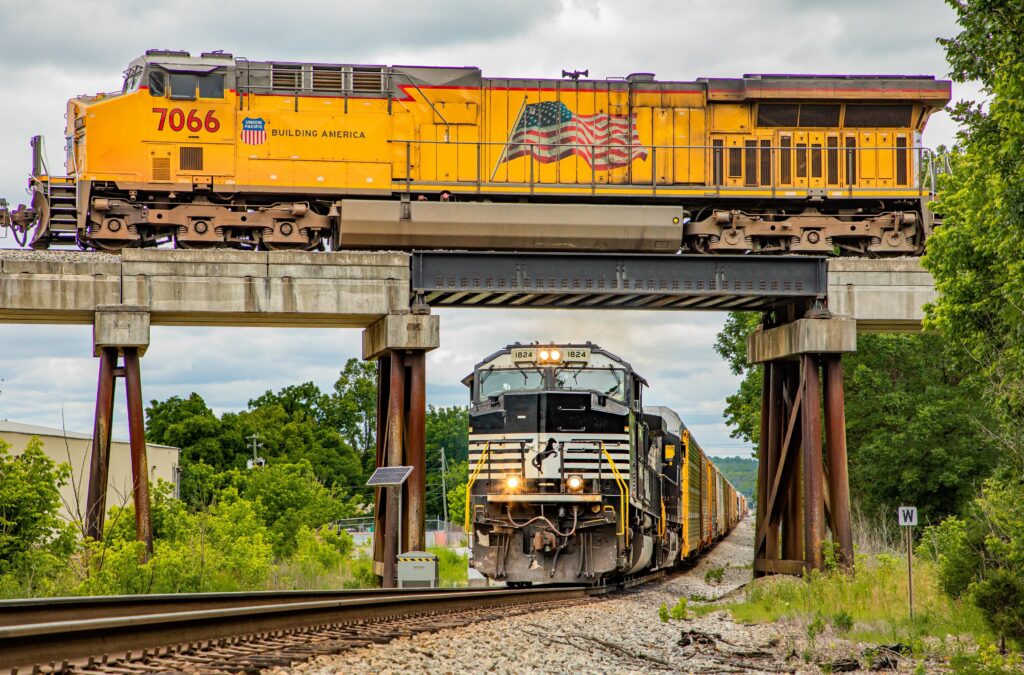
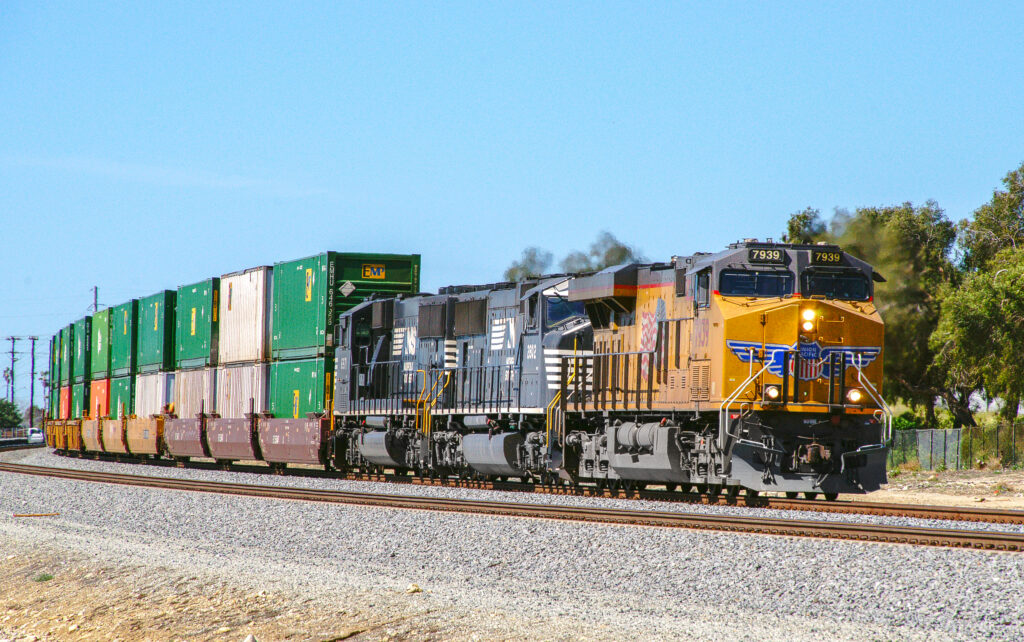
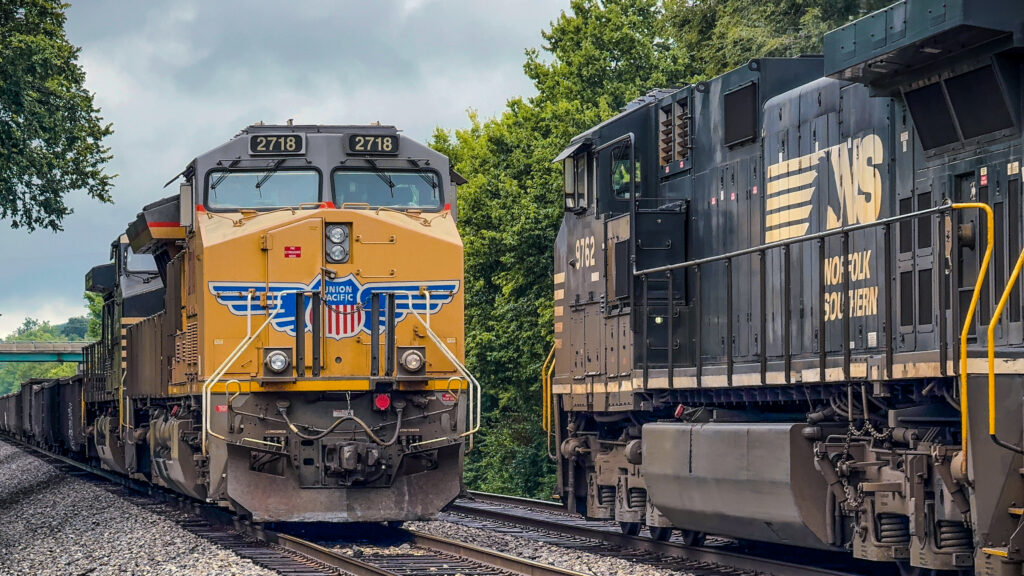
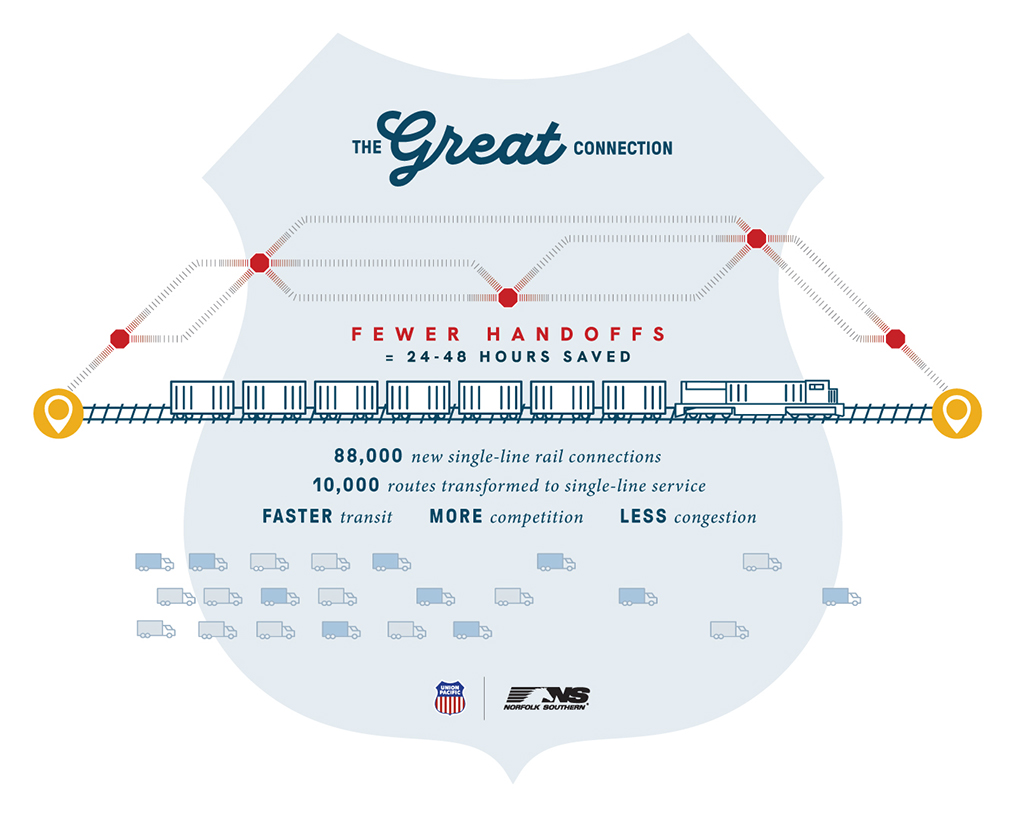
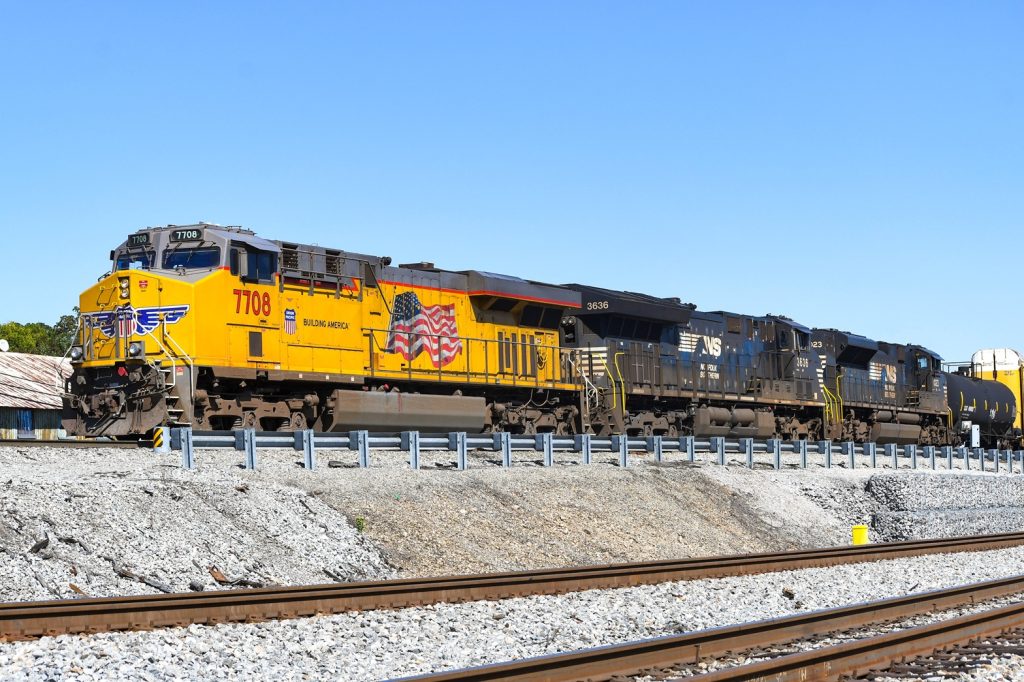
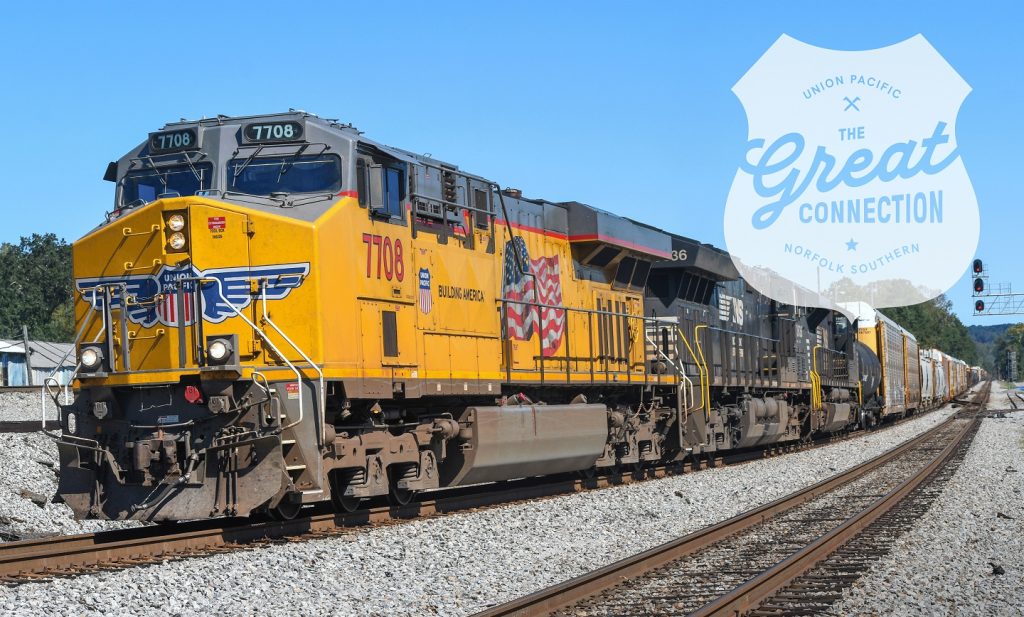
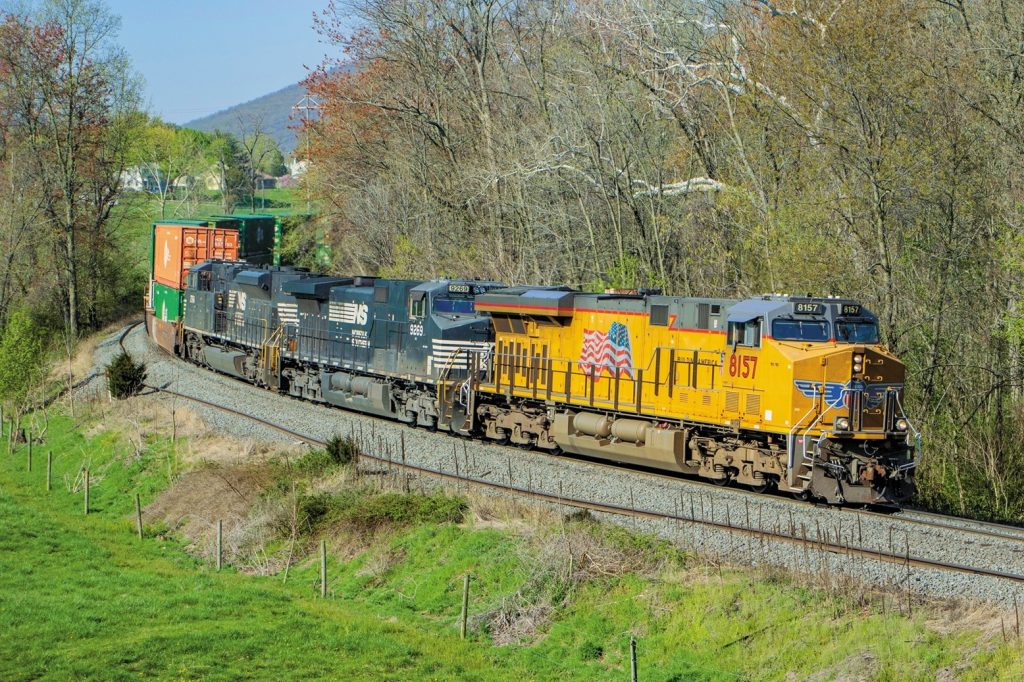
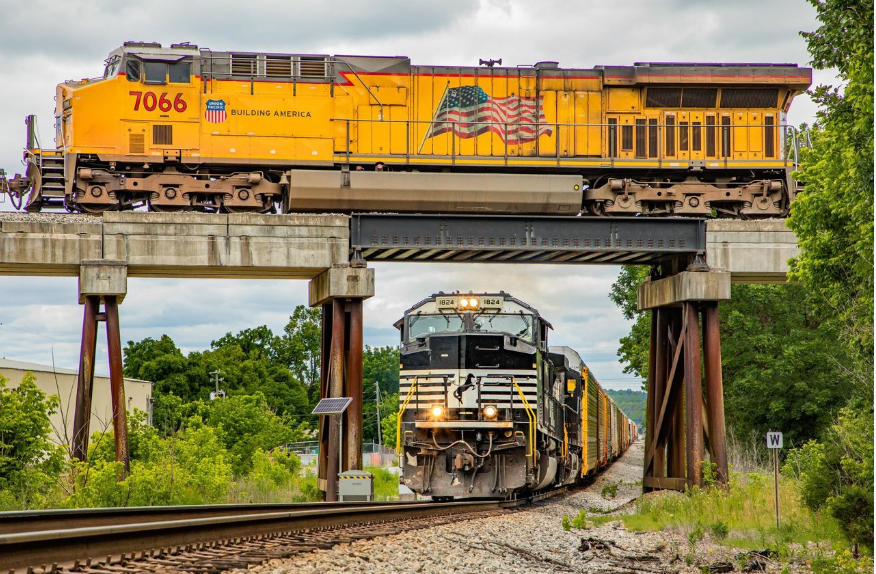
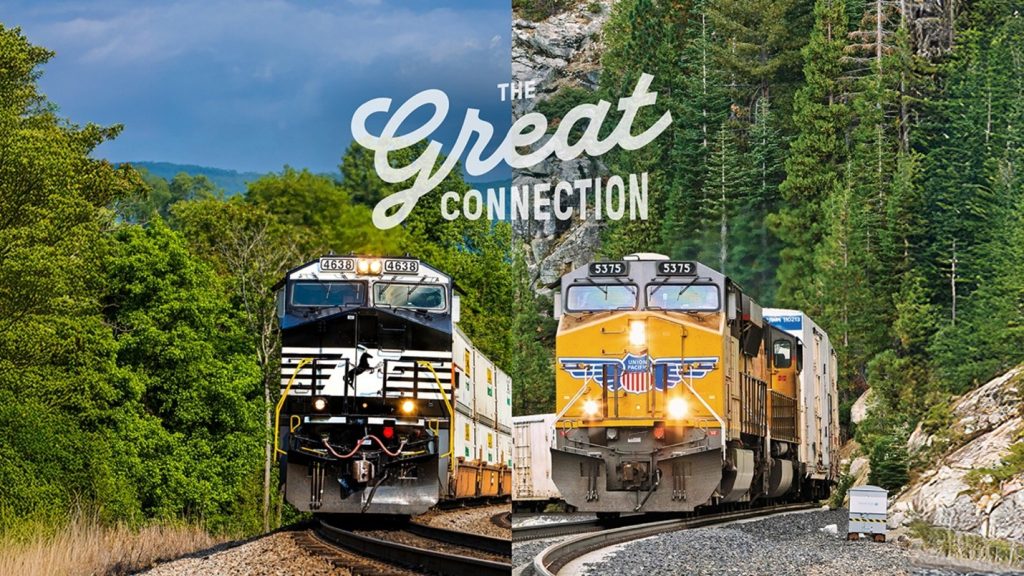
Today, many coast-to-coast rail shipments require freight to be interchanged. The combined network will convert 10,000 existing lanes from interline to single-line service, reducing unnecessary handoffs, route miles and delay.
Six new manifest trains and other operating-plan changes will further streamline freight movement while supporting 403,000 annual manifest, bulk and auto carloads.
10,000
Existing lanes transformed from interline to single-line service
88,000
New county-to-county lanes with access to single-line rail service for the first time
24–48 hours
Faster transit times that reduce inventory and equipment costs
~1.5 million
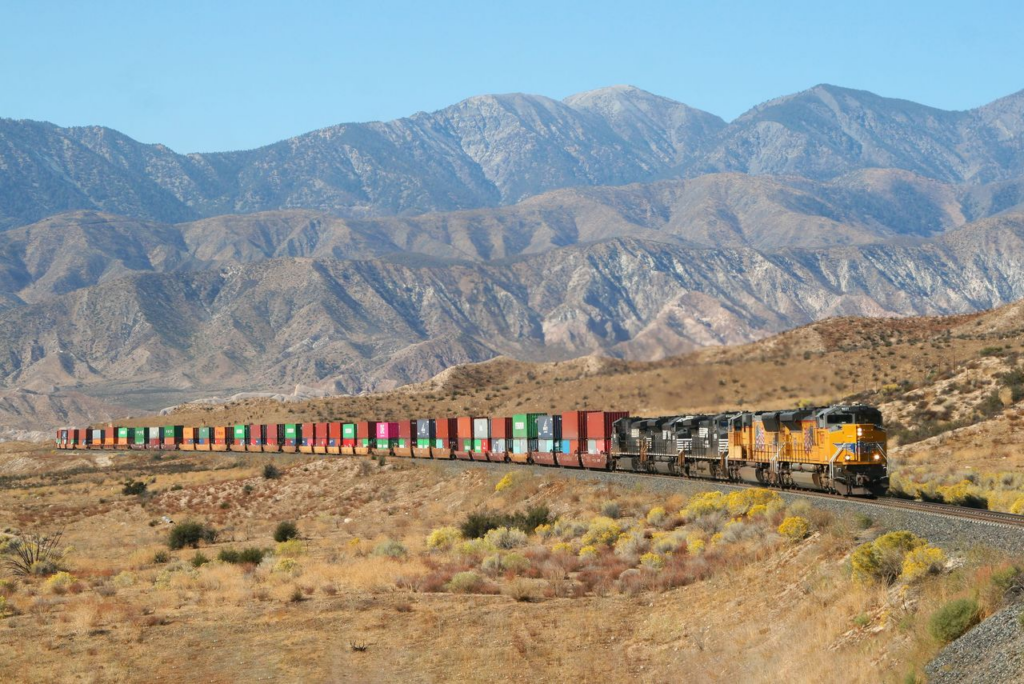
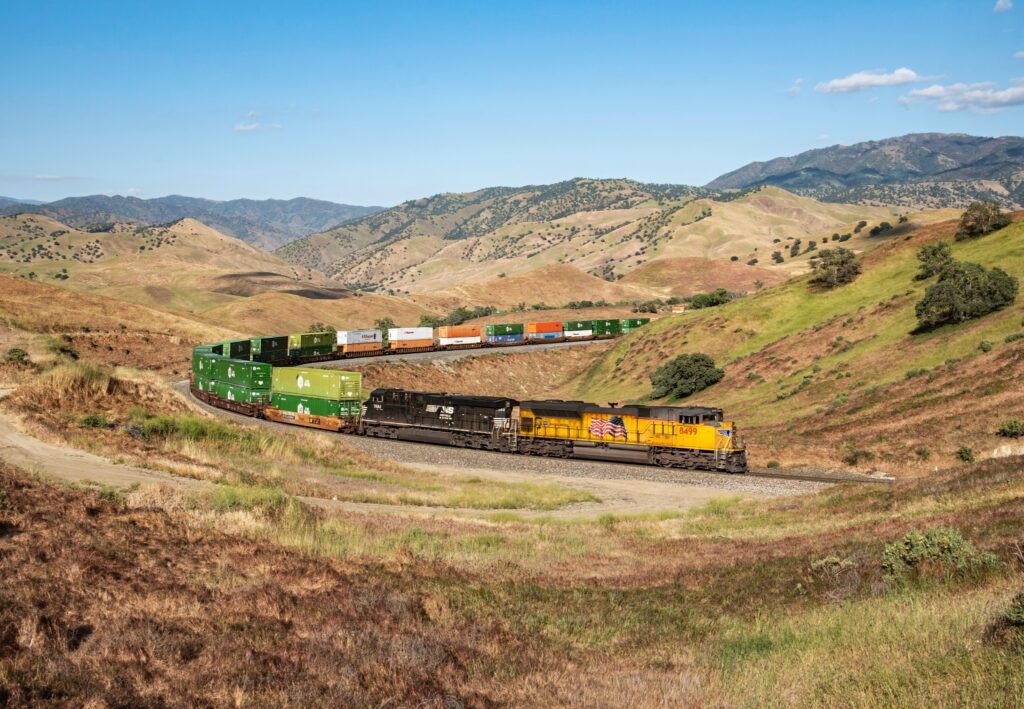
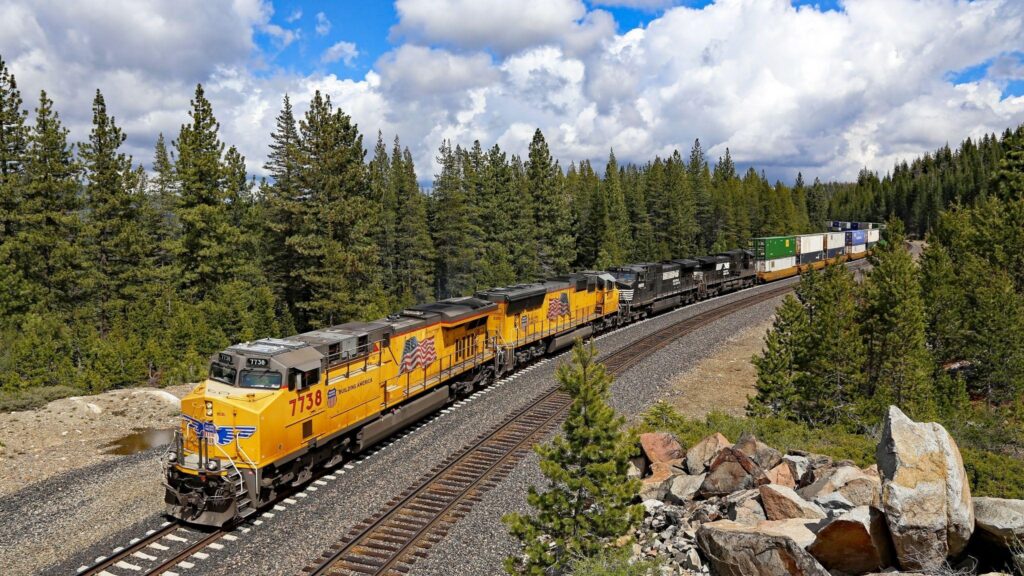
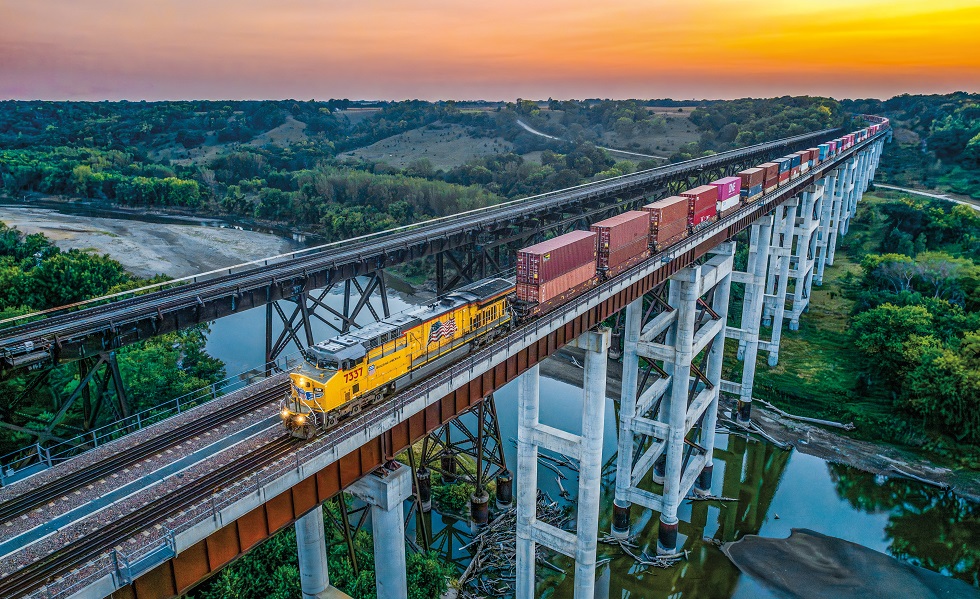
Annual intermodal container loads supported through seven new intermodal lanes with seven-day-a-week service
More Markets Within Reach
The combination expands where rail works for customers. Shippers in 88,000 county-to-county lanes will gain access to single-line rail service for the first time, opening stronger connections between businesses, suppliers, production centers, ports and customers across the country.
The broader application materials also position this expansion as particularly important for underserved East-West markets and for businesses seeking more direct connections to domestic and global markets.
One Shipment. One Network. One Accountable Partner.
Lower Supply Chain Costs
Faster transit affects more than transportation costs. Reducing transit times by 24–48 hours will lower inventory and equipment costs, allowing customers to turn rail cars more quickly, reduce idle time and operate supply chains with greater predictability.
At the broader modal level, shifting freight from higher-cost trucks to lower-cost rail is estimated to save shippers $3.5 billion annually.
New Intermodal Capacity and Service
More Access, Stronger Customer Protections
FAQ
Fewer interchange handoffs will reduce delay and variability while giving customers one railroad accountable for the shipment from origin to destination.
Yes. The combined network creates 88,000 county-to-county lanes where single-line rail service will be available for the first time.
Faster transit times of 24–48 hours will reduce inventory and equipment costs and improve utilization of customer-owned equipment.
Existing gateways for eligible traffic remain open on commercially reasonable terms, alongside additional customer protections and expanded gateway pricing.
The customer protections outlined in the application to the STB include service-level safeguards and a formal process for resolving combination-related service concerns.




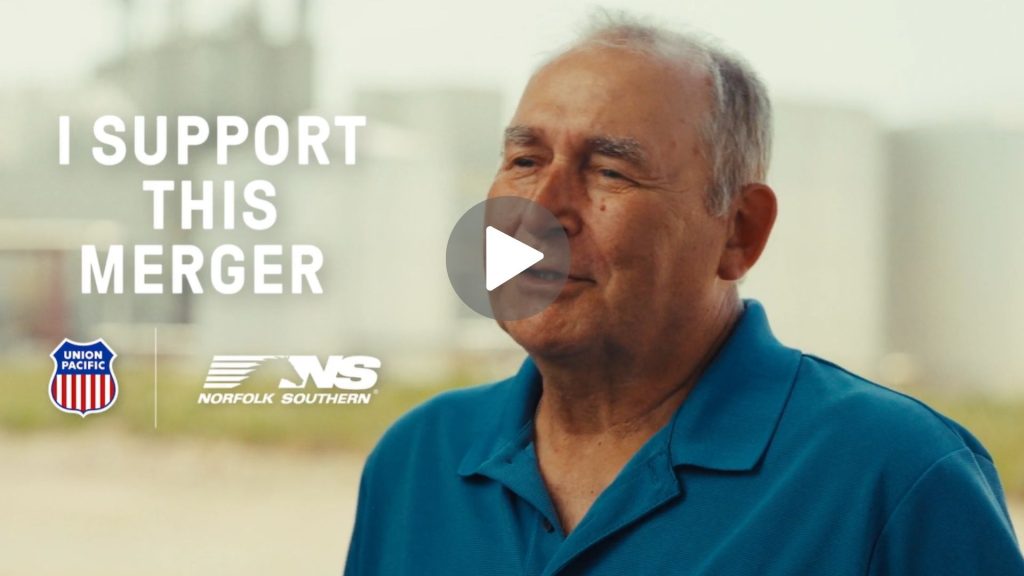






Make Your Voice Heard
Explore More
