A True Transcontinental Rail Option Will Strengthen America’s Freight Market
Author: Union Pacific | May 1, 2026
Key Takeaways:
- A coast-to-coast rail network gives shippers a stronger option. The proposed Union Pacific and Norfolk Southern combination will create a single-line transcontinental rail service designed to move freight more directly across the country.
- Fewer handoffs will mean a better customer experience. More direct routing, fewer interchanges and a unified service model will help reduce friction across long-distance supply chains.
- A stronger rail option supports American competitiveness. More efficient freight movement will help customers reach markets, support supply chain resilience and give businesses a more competitive way to move goods across the country.
A Washington Examiner op-ed makes a timely case for modernizing America’s freight rail system.
The core point is simple: America built a transcontinental railroad more than 150 years ago, yet today’s freight customers still need a more seamless coast-to-coast rail option built for the modern economy.
The proposed Union Pacific and Norfolk Southern combination will help deliver that option.
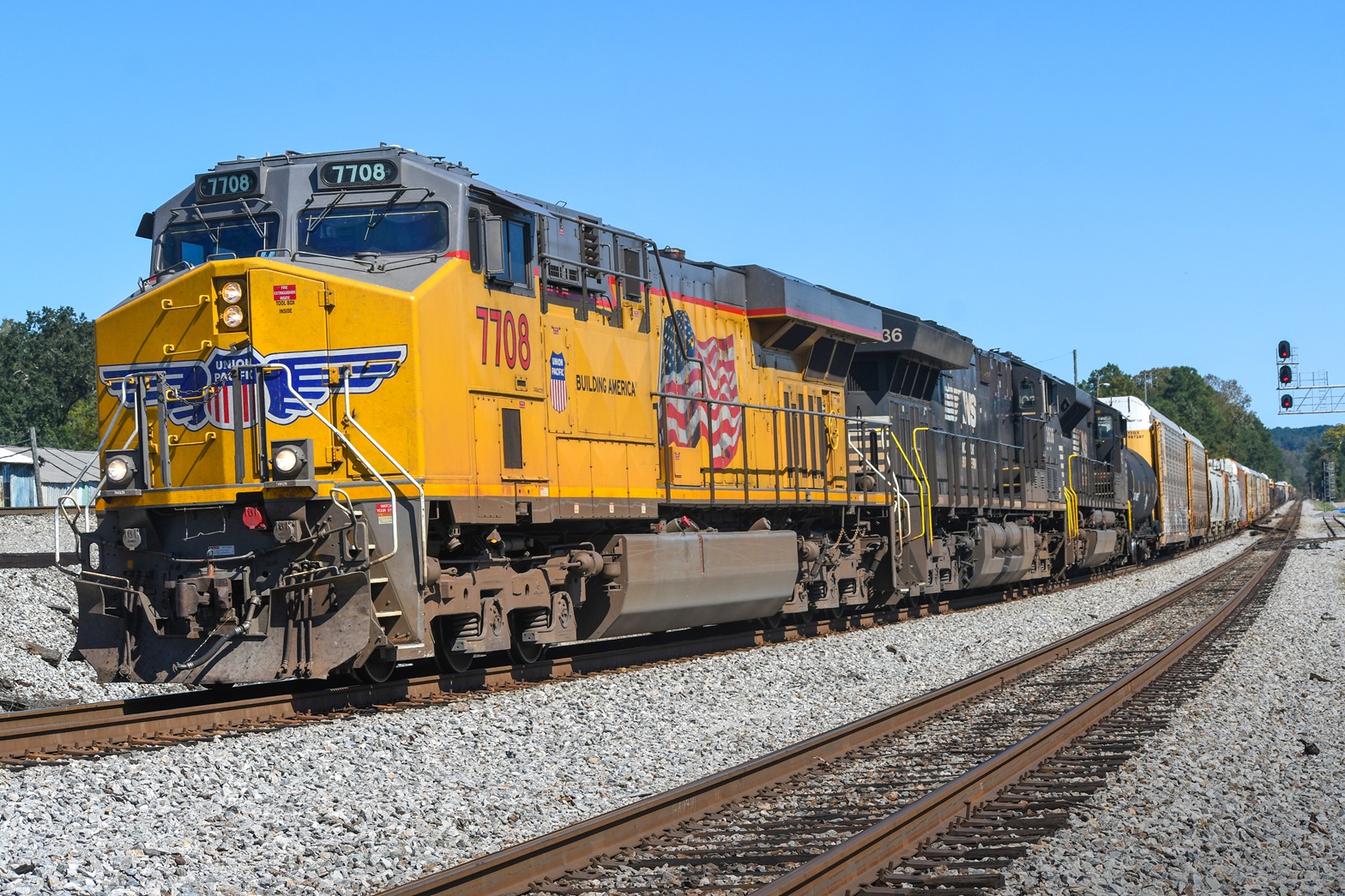
If approved by the Surface Transportation Board, the combination will create America’s first single-line transcontinental railroad, connecting East and West through one integrated freight rail network. For shippers, that means a simpler way to move goods across the country with more direct routing, fewer interchanges, single-line service and a more unified customer experience.
Freight efficiency reaches far beyond the rail network.
Raw materials, food, energy products, vehicles, household goods and other essential items all depend on reliable transportation. When freight moves through multiple handoffs and systems, added time and complexity can ripple through the supply chain. A more direct rail option will help reduce that friction and give customers a stronger long-distance freight solution.
The proposed combination is also framed through a broader competition lens. Rail competes every day with trucking and other freight modes. A more seamless transcontinental rail network will give shippers a stronger option for long-distance freight, helping rail compete more effectively in the broader transportation market.
That creates value for customers, consumers and the U.S. economy.
A true transcontinental rail option will help businesses reach more markets with greater efficiency. It will support more resilient domestic supply chains. It will help move more freight on privately funded rail infrastructure where rail is the better long-distance option. It will also reduce pressure on congested highways by making rail service easier and more competitive for customers to use.
This is the public-interest case for a modern freight rail network.
Union Pacific and Norfolk Southern are proposing a combination built around safer, more efficient and more competitive freight movement. The opportunity is clear: move American goods across American rails with stronger service, less friction and a better coast-to-coast option for customers.
Read the full Washington Examiner op-ed.
The core point is simple: America built a transcontinental railroad more than 150 years ago, yet today’s freight customers still need a more seamless coast-to-coast rail option built for the modern economy.
The proposed Union Pacific and Norfolk Southern combination will help deliver that option.
If approved by the Surface Transportation Board, the combination will create America’s first single-line transcontinental railroad, connecting East and West through one integrated freight rail network. For shippers, that means a simpler way to move goods across the country with more direct routing, fewer interchanges, single-line service and a more unified customer experience.
Freight efficiency reaches far beyond the rail network.
Raw materials, food, energy products, vehicles, household goods and other essential items all depend on reliable transportation. When freight moves through multiple handoffs and systems, added time and complexity can ripple through the supply chain. A more direct rail option will help reduce that friction and give customers a stronger long-distance freight solution.
The proposed combination is also framed through a broader competition lens. Rail competes every day with trucking and other freight modes. A more seamless transcontinental rail network will give shippers a stronger option for long-distance freight, helping rail compete more effectively in the broader transportation market.
That creates value for customers, consumers and the U.S. economy.
A true transcontinental rail option will help businesses reach more markets with greater efficiency. It will support more resilient domestic supply chains. It will help move more freight on privately funded rail infrastructure where rail is the better long-distance option. It will also reduce pressure on congested highways by making rail service easier and more competitive for customers to use.
This is the public-interest case for a modern freight rail network.
Union Pacific and Norfolk Southern are proposing a combination built around safer, more efficient and more competitive freight movement. The opportunity is clear: move American goods across American rails with stronger service, less friction and a better coast-to-coast option for customers.
Read the full Washington Examiner op-ed.