Coast-to-Coast Rail Service Will Reduce Delays and Enhance Security
Key Takeaways:
- For the first time in 16 months, all North American regions in the ITS Logistics Port/Rail Freight Index were listed as “elevated risk” for congestion. An early retail peak season and a truck driver shortage threaten port and rail operations.
- The Union Pacific-Norfolk Southern combination will be a net positive for the logistics industry. A transcontinental railroad will eliminate costly handoffs that add time, complexity and risk to cross-country shipments.
- Faster transit times create benefits beyond efficiency. Reducing freight transfers between railroads will help lower opportunities for cargo theft while improving supply chain reliability.
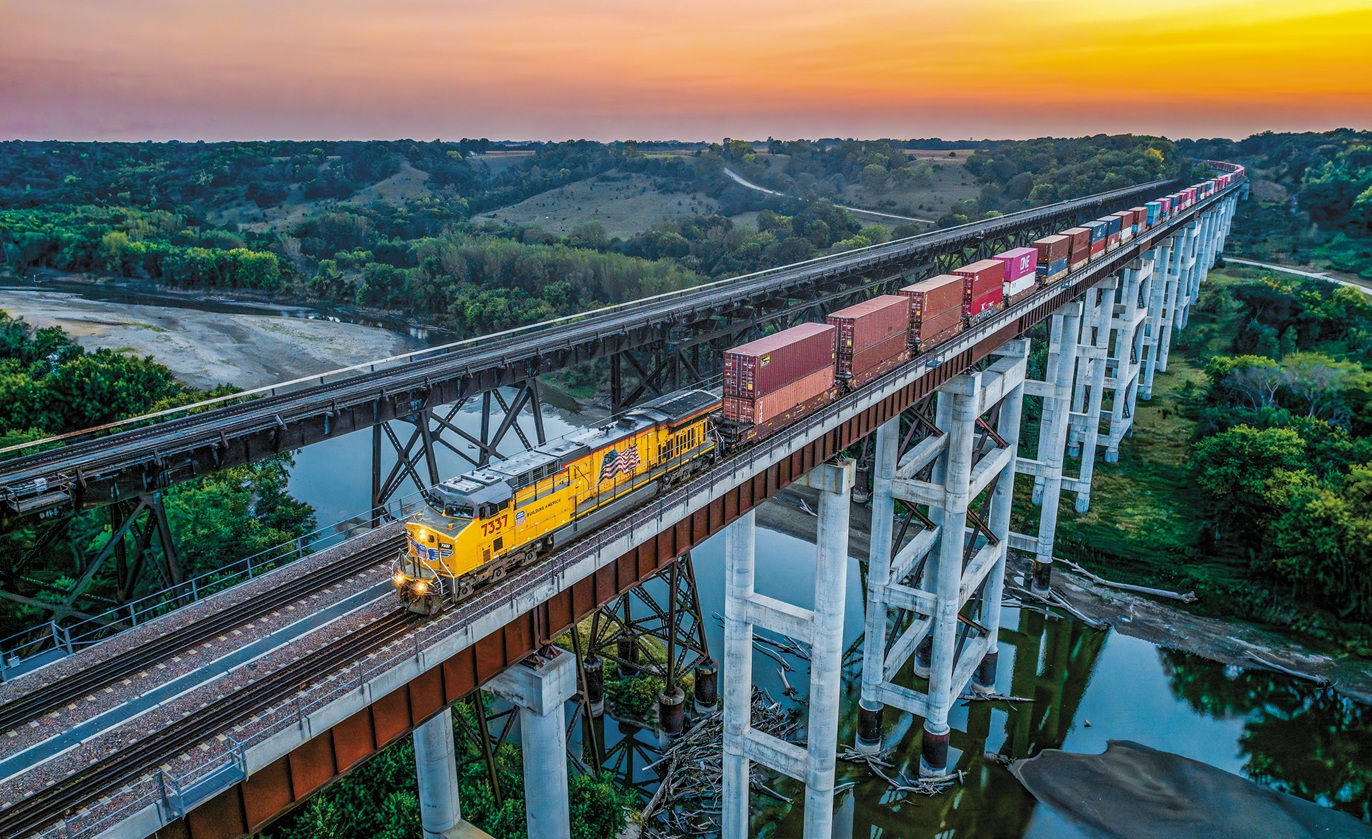
In a Substack article, former CNBC Global Supply Chain Reporter Lori Ann LaRocco reports that as an early peak shipping season is set to begin, logistics experts are highlighting how a coast-to-coast rail network will improve freight movement, reduce bottlenecks and enhance supply chain security.
Concerns about freight congestion are growing as retailers move inventory earlier than usual and transportation networks face increasing pressure heading into peak season. For the first time in more than a year, all North American regions in the ITS Port/Rail Freight Index were classified as elevated congestion risks.
According to ITS Logistics Vice President of Global Supply Chain Paul Brashier, rising import volumes and tighter trucking capacity are creating conditions that could strain both port and rail operations. Industry leaders are placing greater focus on solutions that improve network efficiency and reliability.
One of the most significant challenges facing freight rail today is the need to transfer shipments between eastern and western railroads at mid-continent gateways. Currently, freight containers are often unloaded at one rail terminal and transported by truck across a city before continuing their journey on another railroad. Brashier called this process "the biggest bottleneck in rail transportation" and noted that it is also where much of the cargo theft associated with rail shipments occurs.
These handoffs add time, cost and complexity to the movement of goods across the country. The Union Pacific-Norfolk Southern combination is designed to address that challenge by creating America's first transcontinental railroad and expanding access to single-line rail service. The combination will transform approximately 10,000 existing lanes from interline service into faster, more efficient single-line routes while creating access to thousands of new shipping opportunities.
Brashier described the combination as a "net positive" for U.S. companies and pointed specifically to the benefits of eliminating cross-town transfers that occur today when containers move between rail facilities. By reducing those transfers and creating a more seamless end-to-end network, the proposed combination is expected to improve transit times, lower costs and strengthen supply chain security.
The combined network will reduce thousands of daily rail car and container handlings while eliminating approximately 65,000 car-miles each day, creating a more efficient and reliable freight network.
The combination will also strengthen rail's ability to compete with long-haul trucking while giving shippers a simpler, more predictable transportation option. By reducing unnecessary touchpoints and streamlining freight movement, the network is designed to help American businesses move goods more efficiently from origin to destination.
Read the full Substack article.