A Transcontinental Railroad Will Connect and Strengthen American Manufacturing
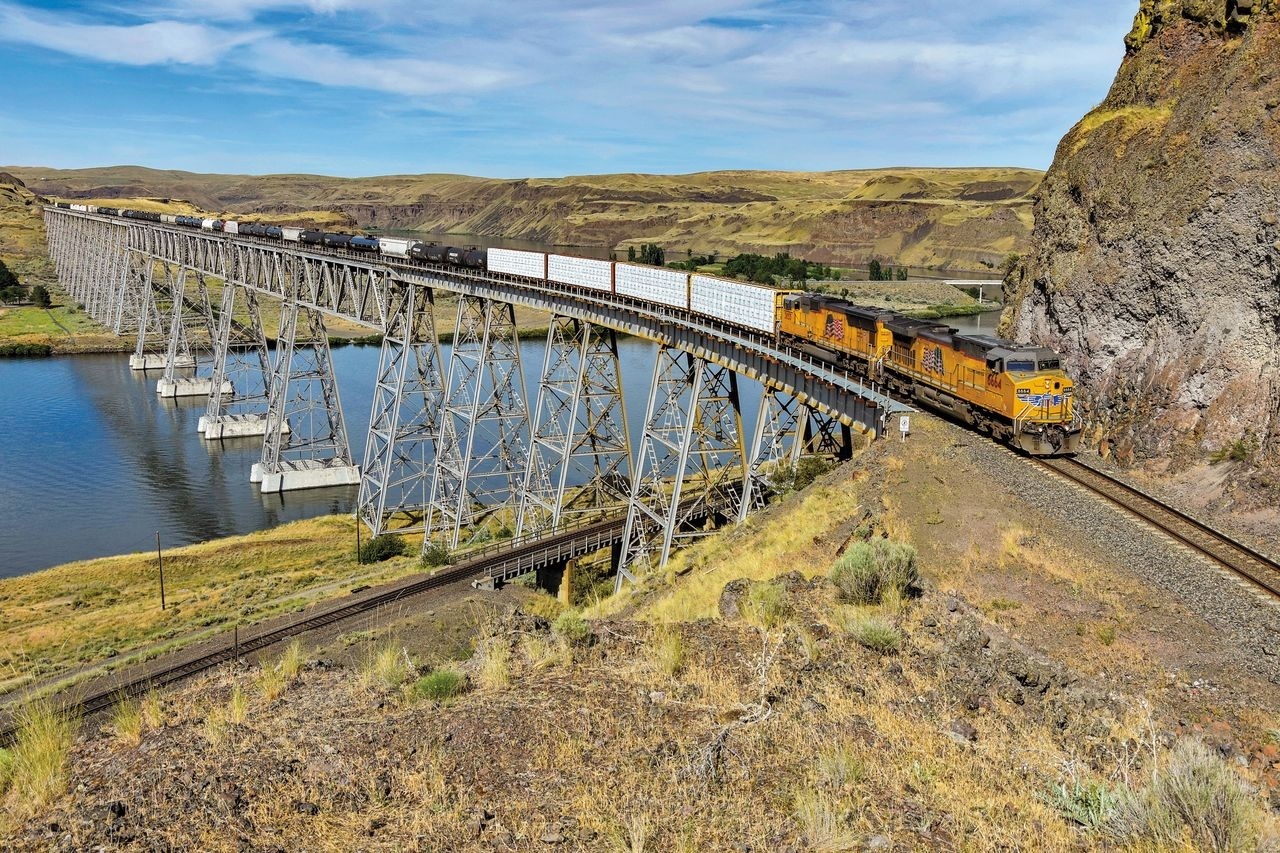
● The Union Pacific-Norfolk Southern combination will support the return of industry to America’s heartland. Pacific ports, Mexico, the industrial Midwest and Gulf Coast manufacturing will finally connect to the Eastern Seaboard.
● Single-line transcontinental service will streamline the supply chain and lower costs for consumers and businesses. American-made goods will reach customers more quickly and manufacturers will have faster and more affordable access to ports.
● The combination will strengthen rail’s ability to compete with trucking. The combination will shift 2.1 million truckloads from the highways to rail each year, making the roads safer while reducing congestion and transportation costs.
Key Takeaways:
- A seamless transcontinental network expands freight options. The combination would create America’s first single-line coast-to-coast railroad with new lanes, faster routing and broader market access.
- Single-line service reduces supply chain friction. Fewer handoffs and more direct routing are designed to improve speed, reliability and efficiency for long-distance freight movement.
- The proposed combination strengthens American competitiveness.The applicationhighlights supply chain growth, new union jobs, and expanded rail capacity as long-term economic benefits.
The Daily Caller featured commentary from Kenneth Rapoza, senior analyst for the Coalition for a Prosperous America, highlighting how a connected transcontinental railroad will strengthen American manufacturing.
America's freight rail system has long been divided by artificial regional boundaries requiring many shipments to transfer between railroads before reaching their destination. Those handoffs add time, cost and complexity, particularly for manufacturers and producers located in the nation's industrial heartland.
The Union Pacific-Norfolk Southern combination will replace those transfers with seamless single-line service, creating a more efficient national freight network.
The greatest opportunity lies in reconnecting America's manufacturing economy. Industries stretching from Pacific ports and Mexico through the Midwest and Gulf Coast will gain direct rail access to customers and export markets along the Eastern Seaboard.
Communities throughout the Watershed region, where freight often defaults to trucks because rail service is fragmented, will gain access to single-line service for the first time. Agriculture, chemicals, manufacturing and other industries will benefit from faster transit times, expanded port access and lower transportation costs. These routes will reshape American manufacturing, giving the industrial economy a boost.
Eliminating unnecessary interchange points improves supply chain performance. Single-line service allows freight to move directly across the country, helping manufacturers reduce inventory costs while improving access to domestic and international markets. More efficient rail service strengthens the competitiveness of American-made products by making it easier to move raw materials to factories and finished goods to customers.
The combination will also create a stronger alternative to long-haul trucking by offering coast-to-coast rail service that is faster, more predictable and easier for customers to use. Shifting freight from trucks to rail is projected to remove approximately 2.1 million truckloads from U.S. highways each year, easing congestion, improving roadway safety and reducing transportation costs across the economy.
The Union Pacific-Norfolk Southern combination represents more than a railroad transaction. It’s part of a broader shift in U.S. economic strategy, where supply chains, manufacturing and critical infrastructure are increasingly viewed through the lens of national competitiveness and geopolitical resilience. In that context, a seamless transcontinental rail network is presented not simply as a transportation improvement, but as infrastructure designed to support a stronger, more connected North American economy.
Read the full Daily Caller article.