The combination will remove that barrier. For short line partners and the communities and local businesses they serve, that means access to routes, customers and markets that may not have ever been reachable by single-line rail service before.
88,000
New county-to-county lanes eligible for single-line service — 41,000 within Watershed markets
105K
Carloads of merchandise traffic are projected to convert from road-to-rail in Watershed markets — Oliver Wyman
500M
Tons of goods originate or terminate within 250 miles of
the East-West gateways — currently underserved by rail
Reliable service farmers can count on
Faster, more efficient service
More routes to more markets
With 1.88 million U.S. farms and more than 8,000 off-farm grain elevators — including 820 elevators in Iowa alone — reducing delays and expanding routing flexibility matters at scale. The combined network’s coast-to-coast reach also will open new opportunities for ethanol, renewable diesel and clean fuel projects.
Enhanced American competitiveness
More flexibility when markets shift
Lower total transportation costs
Rates, routing and competition
“Farmers depend on efficient rail service to get their crops to market and their inputs delivered on time. By uniting these rail networks, Union Pacific and Norfolk Southern are taking a logical step to improve agricultural logistics. We expect to see faster grain shipments, fewer delays and better rail access.”
— KC Graner
President and CEO of Central Farm Service
FAQ
The merger is designed to increase real-world competition, especially with long-haul trucking, which is often the primary alternative for agricultural shipments today. Creating faster, more efficient single-line rail service will lower total transportation costs and put downward pressure on pricing across the system.
This merger will bring together two strong, well-run railroads and is being planned with modern technology and detailed operational modeling. The combination is designed to reduce delays, expand single-line service and improve transit consistency across key freight corridors. Because this is an end-to-end combination with complementary networks, most traffic will continue to move as it does today, while key improvements will create a more connected network that will reduce the risk of delays.
Union Pacific and Norfolk Southern have committed that the combined railroad will maintain open gateways and fair access. At the same time, many shipments will benefit from single-line service, which reduces delays and improves reliability while still preserving competitive options where they exist.
Featured Articles
Explore the latest news and perspectives on the impact on farmers and the Union Pacific–Norfolk Southern combination.
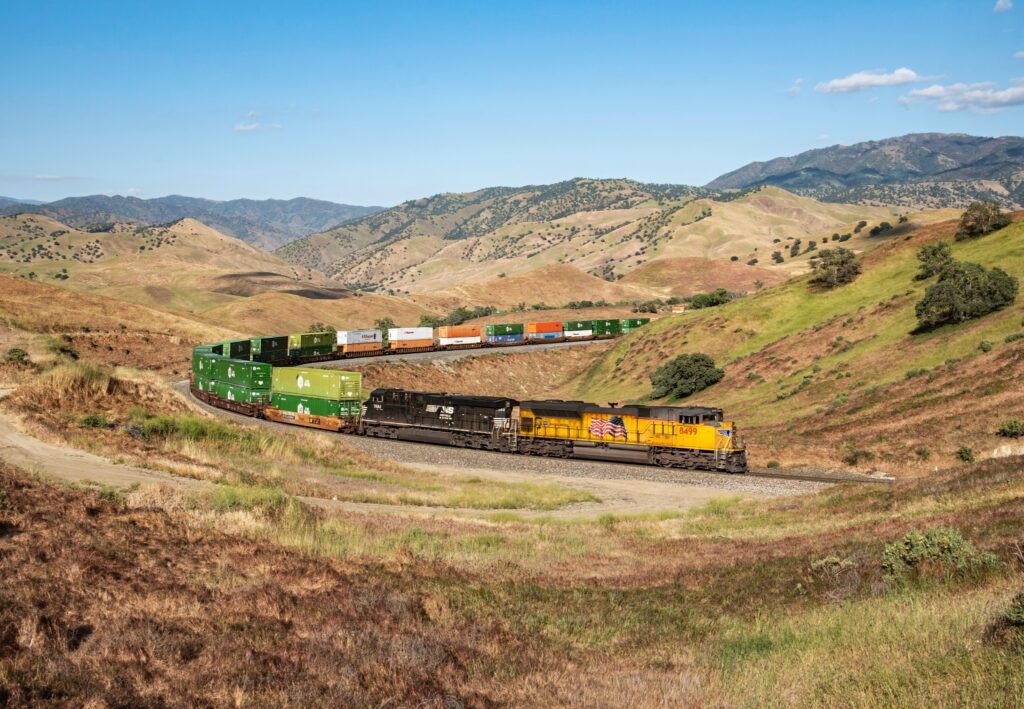
A stronger, more connected America
Take the Next Step
More than 2,000 businesses, unions, farmers and community leaders have already told the Surface Transportation Board why this combination matters. Tell Congress why America’s first transcontinental railroad matters for American jobs, supply chains and economic growth.
Your voice is part of the record.
